Blue Musk
Blue Musk is a modern synthetic aroma chemical prized for its clean, airy scent. Unlike natural musk, it requires no animal sourcing, making it a responsible choice in contemporary perfumery. Crafted through precise organic synthesis, this compound delivers the warmth and sensuality of traditional musk without ethical compromise.
Character
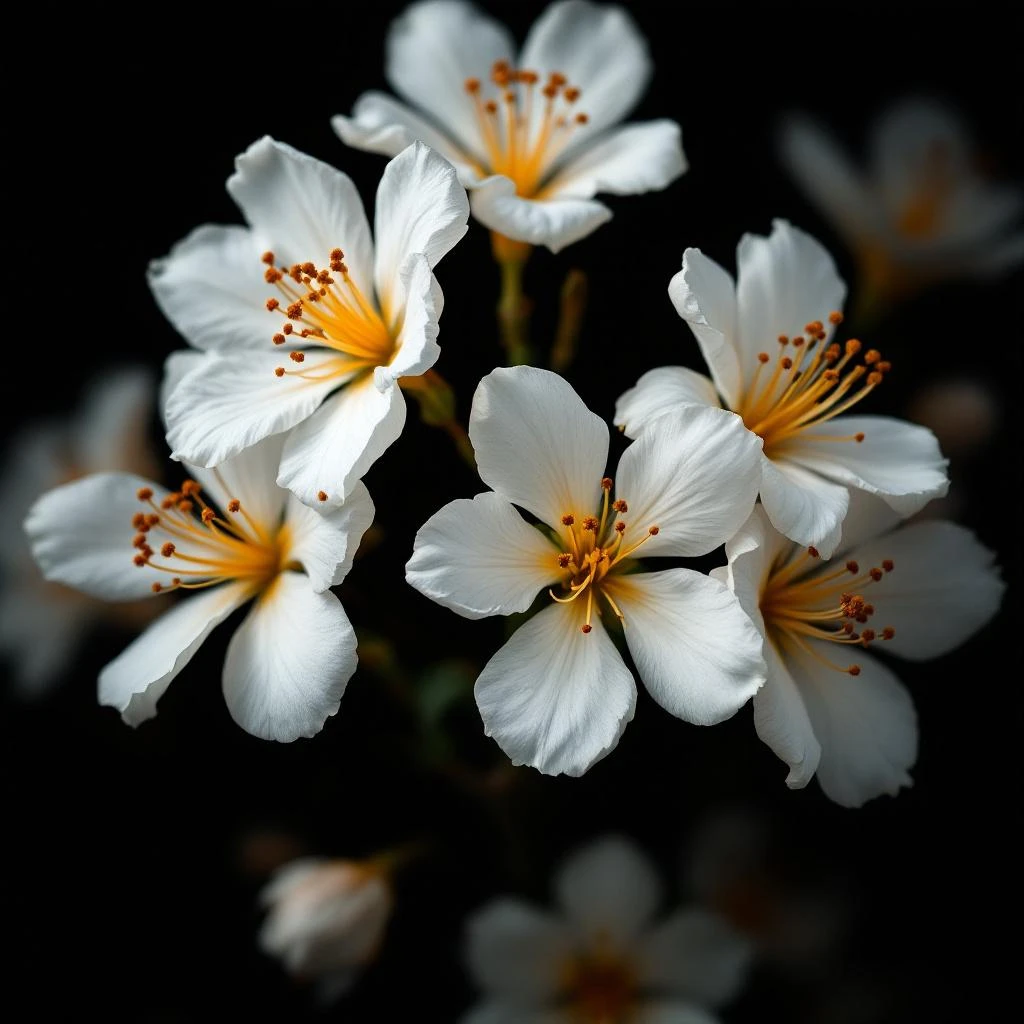
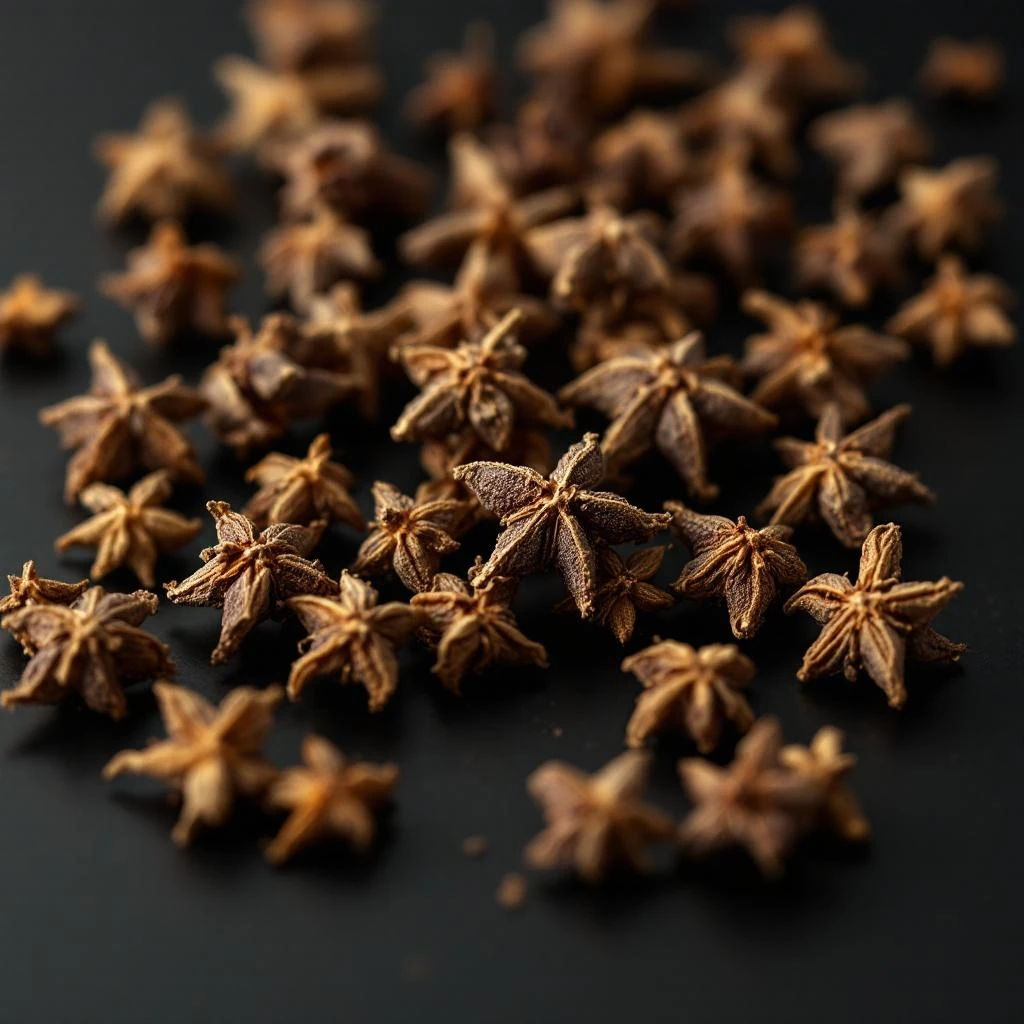
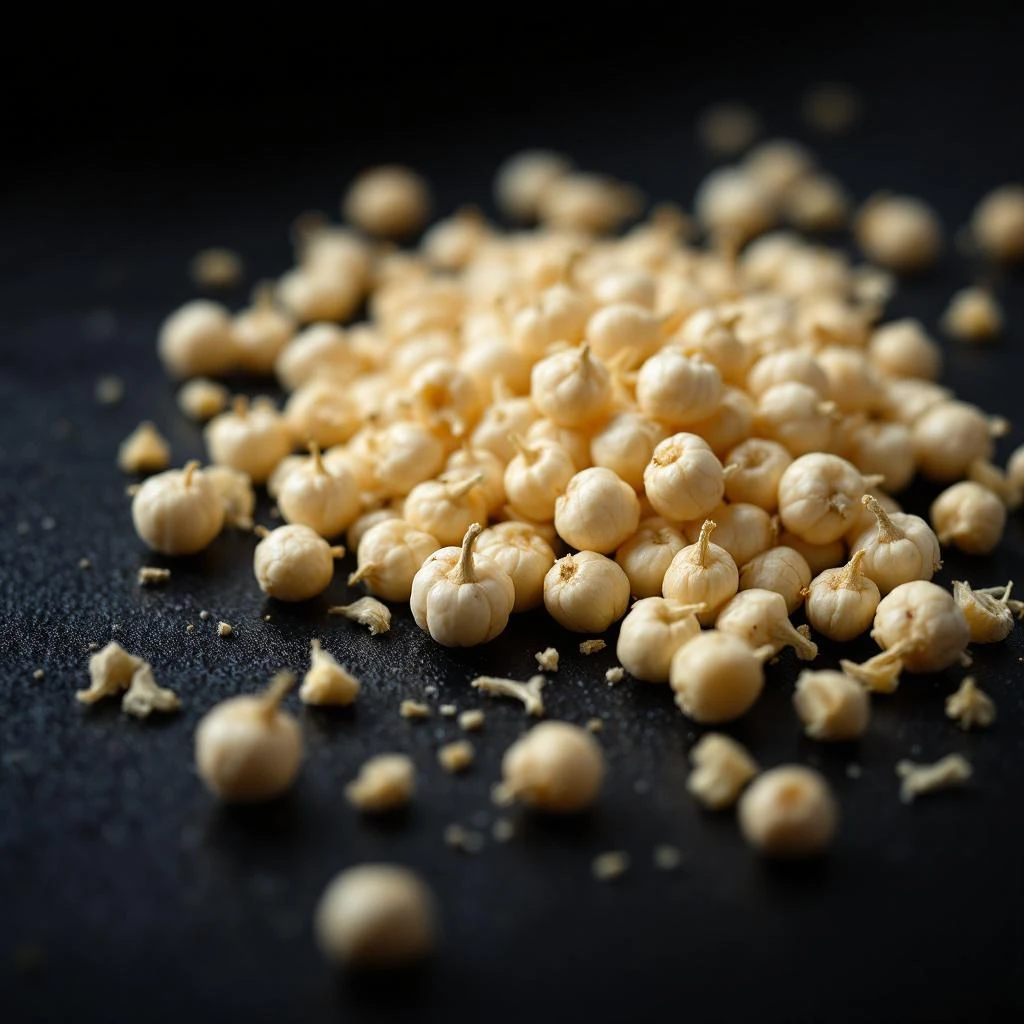
How it smells
Modern musk. Clean conscience.
Firmenich chemist Lavoslav Ružička synthesized the first commercial synthetic musk in 1926, winning the Nobel Prize in Chemistry later for unrelated work.






Origin
Switzerland
Musk has been prized for over five millennia. The earliest documented use appears in Sumerian Mesopotamia around 3000 BC, where it featured in sacred religious ceremonies and medicinal preparations. Ancient Egyptians, Greeks, and Romans traded musk extensively, valuing it for both ritual and cosmetic purposes.
The prized ingredient originally came from the glandular secretions of male musk deer native to Himalayan regions. This natural supply grew increasingly scarce and expensive over centuries. The ethical and economic pressures of the 19th century prompted perfumers to seek alternatives.
The breakthrough came in 1926 when Lavoslav Ružička at Firmenich successfully synthesized a musk-like compound. This achievement eventually led to the diverse range of synthetic musks available today, including the modern Blue Musk variants that honor musks ancient legacy while meeting contemporary standards.
Wears it best
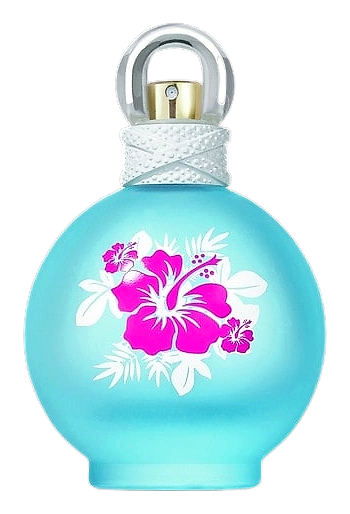
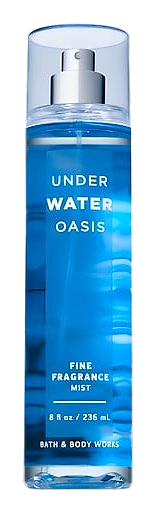
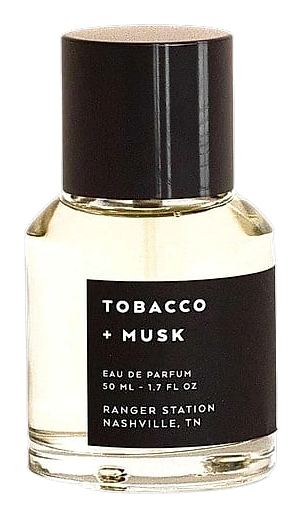
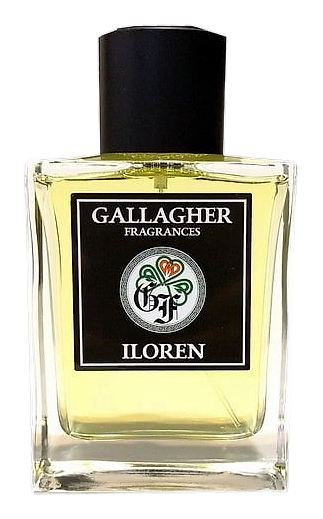
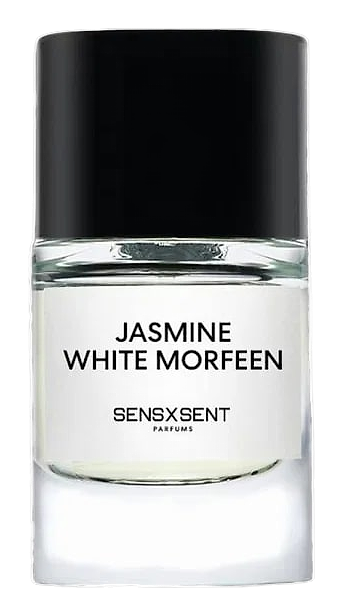
Fragrances featuring Blue Musk

Brands
Brands known for Blue Musk
Good to know
Questions, answered
The essentials on Blue Musk in perfumery: how it smells, where it comes from, and how it behaves on skin.
Is Blue Musk natural or synthetic?
Blue Musk is purely synthetic. Fragrance chemists create it through controlled organic synthesis in laboratories, not from animal or plant sources. This production method emerged in the 20th century as an ethical alternative to natural musk derived from animals.
What does Blue Musk smell like?
Blue Musk presents a clean, powdery scent with subtle floral undertones. It carries the warm, sensuous base note characteristic of traditional musk, but with an airier, more modern character that reads as fresh and contemporary on the skin.
Why did perfumers switch from natural musk to synthetic alternatives?
Natural musk deer populations faced severe depletion from overhunting. Ethical concerns about animal cruelty also grew. By the late 19th century, perfumers actively sought synthetic alternatives that could replicate musks aromatic qualities without these problems.
Is Blue Musk cruelty-free?
Blue Musk requires no animal involvement in its production. The entire synthesis occurs in controlled laboratory conditions using chemical precursors. This makes it fully compatible with cruelty-free and vegan fragrance formulations.
When was synthetic musk first created?
The first commercially viable synthetic musk debuted in 1926. Lavoslav Ružička, working at Firmenich in Switzerland, achieved this breakthrough. He later won the Nobel Prize in Chemistry for his work on terpene structures.
How long has musk been used in perfumery?
Musk has been used for over 5,000 years. The earliest evidence comes from Sumerian Mesopotamia around 3000 BC, where it appeared in religious rituals. Ancient civilizations across China, India, Persia, and the Mediterranean traded musk as a precious commodity.
Does Blue Musk perform well in fragrance formulations?
Blue Musk offers excellent performance characteristics. It provides strong sillage and impressive longevity on skin. The molecule binds well to skin lipids, creating a intimate, lingering presence that develops beautifully over several hours.
Is synthetic musk environmentally responsible?
Synthetic musks like Blue Musk generally have a lower environmental footprint than natural musk extraction. Natural musk deer require specific habitats and face conservation pressures. Laboratory synthesis avoids these ecological concerns while producing consistent results.