Austrian Clary Sage
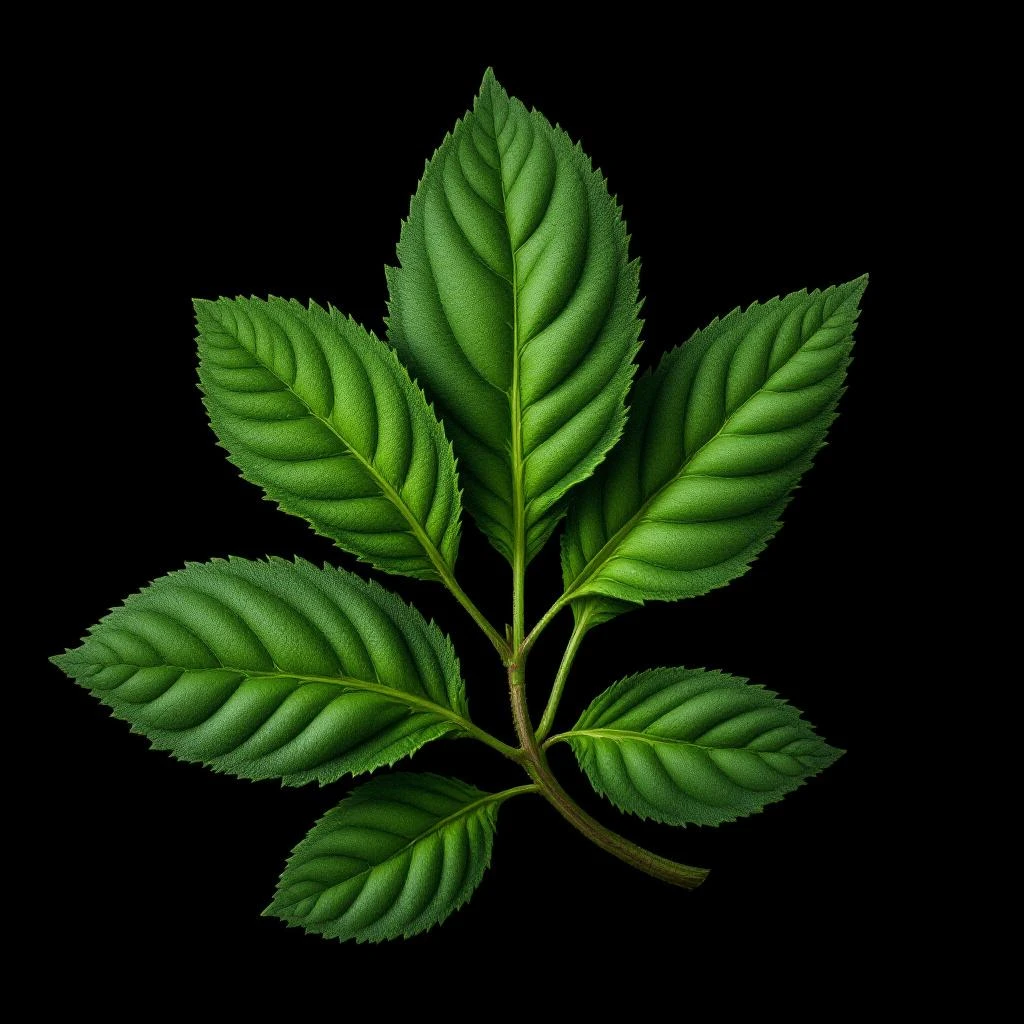
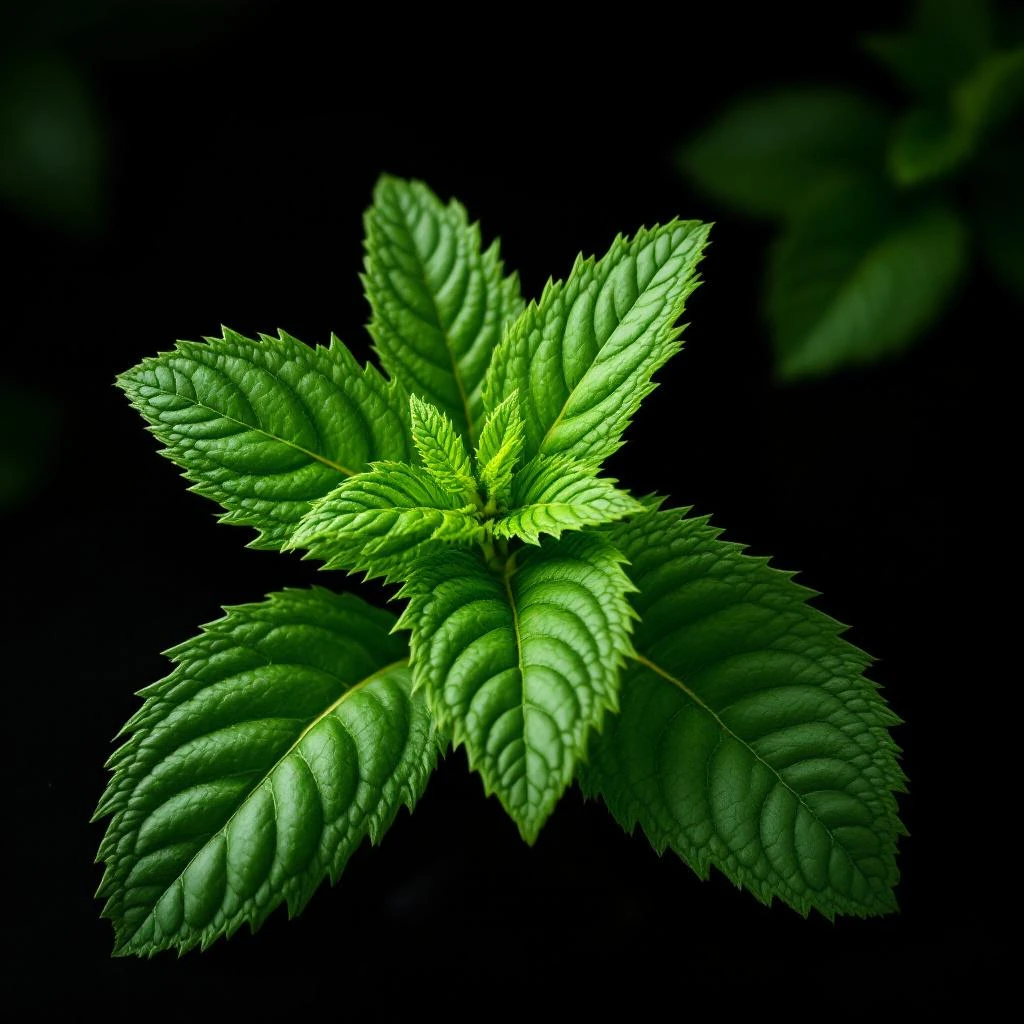
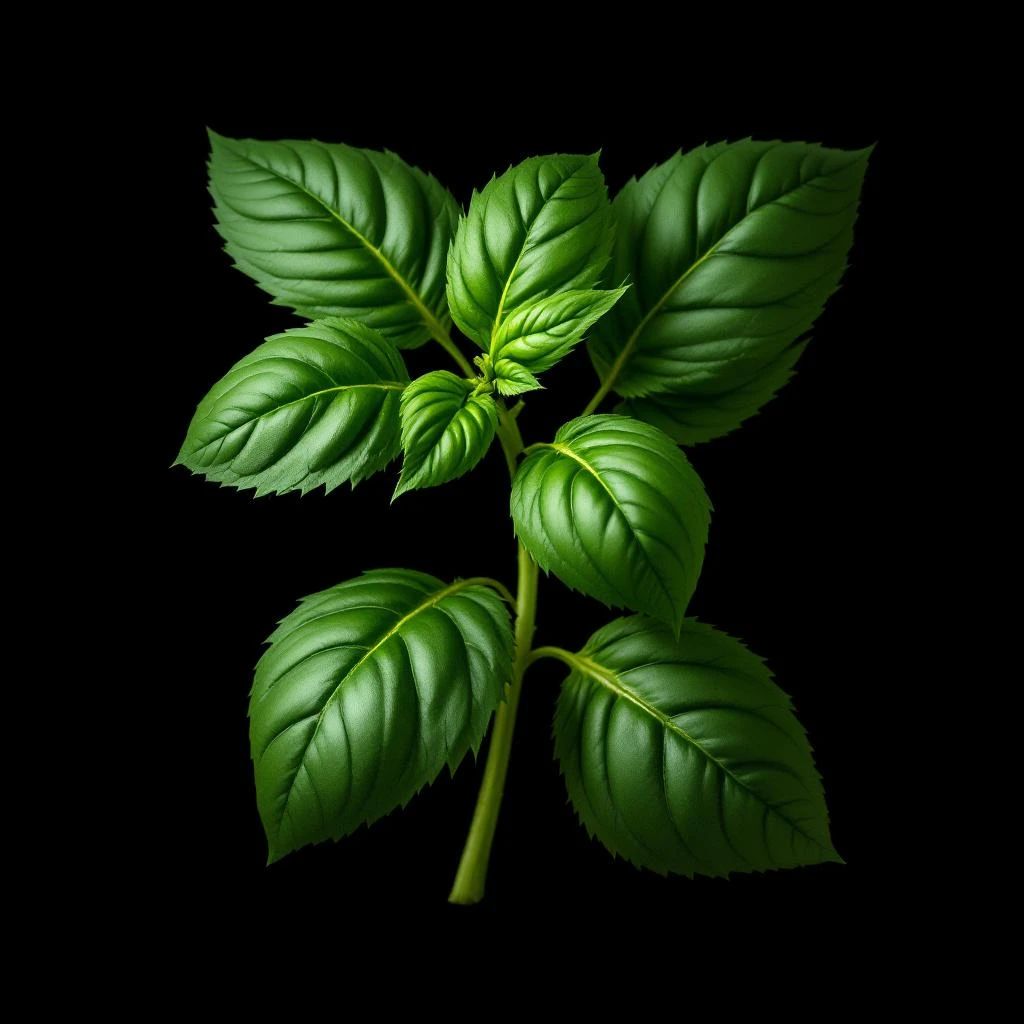
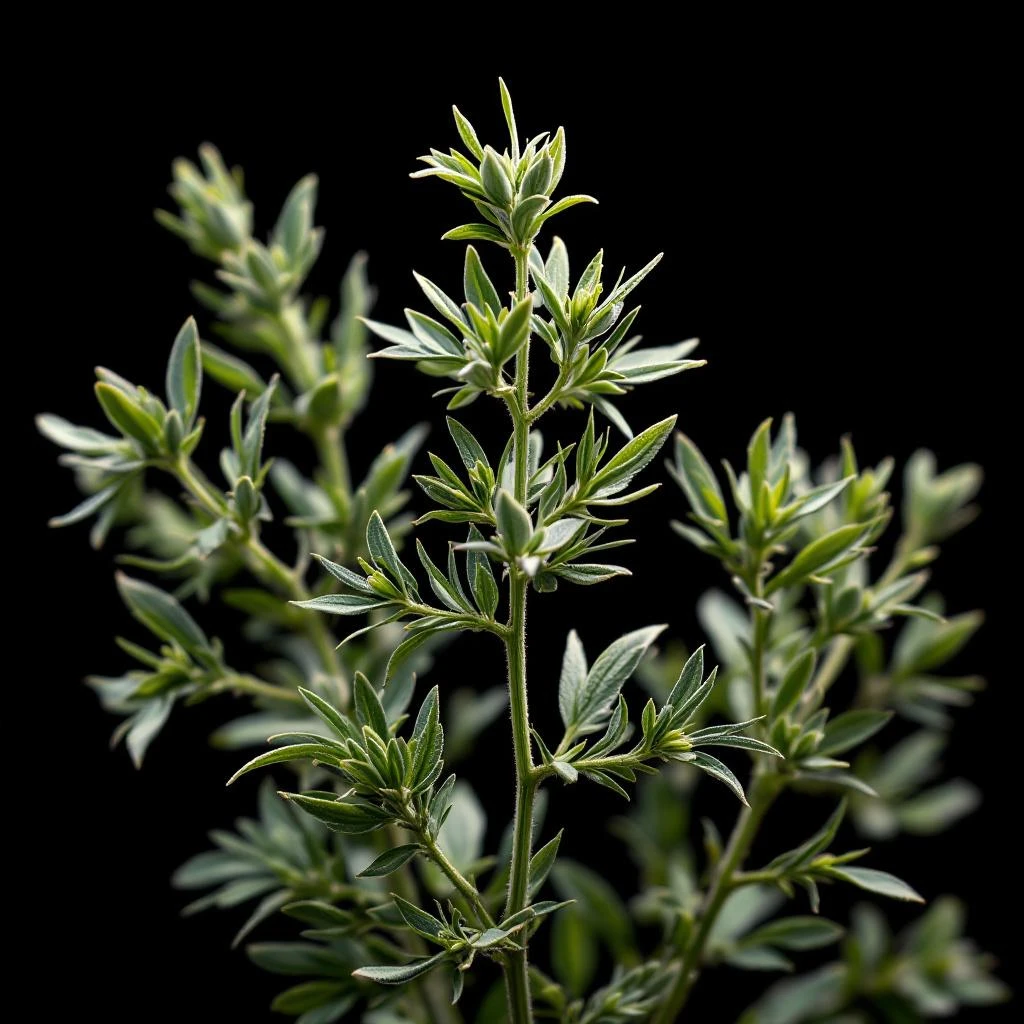
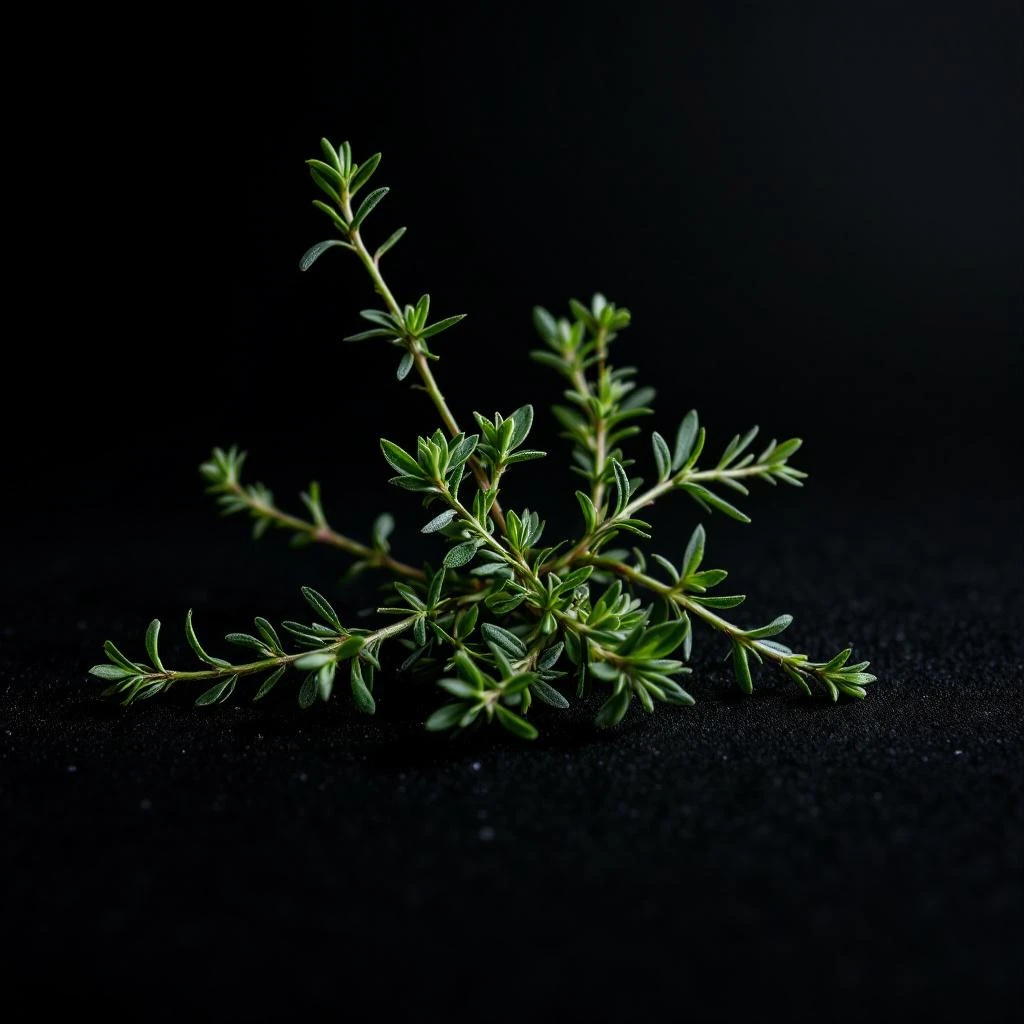
Austrian clary sage delivers an herbaceous, musky sweetness with subtle floral undertones. Steam distilled from Salvia sclarea blossoms grown in alpine soils, it anchors fougère and oriental compositions with warm, tea-like depth.
Character
How it smells
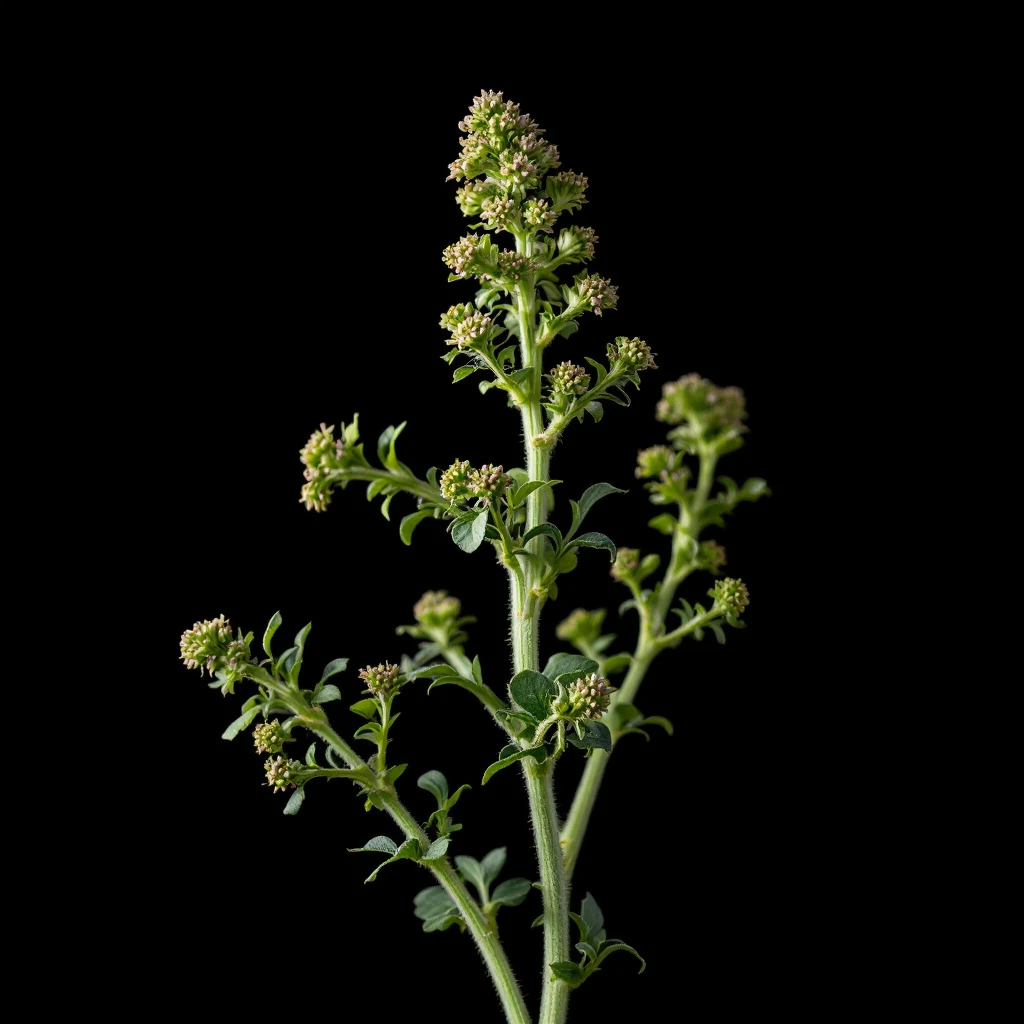
Alpine herb with a sweet, musky whisper
Clary sage contains sclareol, a compound so prized as a perfume fixative that roughly 97% of global production fuels the fragrance industry rather than herbal use.







Origin
Austria
Clary sage carries one of perfumery's longest documented histories, traceable to medieval monastic gardens where monks cultivated it as both a flavoring for wine and a medicinal herb. The name itself derives from Latin clarus, meaning clear, referencing its traditional use as an eyewash. By the seventeenth century, German and Austrian growers had domesticated Salvia sclarea as a field crop, recognizing its aromatic value beyond apothecary shelves.
The plant's commercial perfumery career accelerated in the twentieth century. Chemists discovered that sclareol, extracted from clary sage, could be oxidized into sclareolide, a compound with remarkable fixative properties. Major fragrance houses adopted sclareolide as a backbone for white musk accords, making clary sage an indirect but essential ingredient in countless modern formulations.
Austrian production carved a specific identity within this global supply chain. Alpine growing conditions, cooler temperatures, and longer maturation cycles produce oil with distinct sensory characteristics compared to material from France, China, or the American Southeast, where the bulk of global volume now originates. Austrian clary sage oil remains a specialty grade, favored by perfumers seeking herbaceous depth and a clean musky sweetness that anchors fougère structures, chypre compositions, and amber bases. Its dual identity as both a fragrant essential oil and a raw material for synthetic musk chemistry makes it one of perfumery's most economically significant botanical crops.
Wears it best
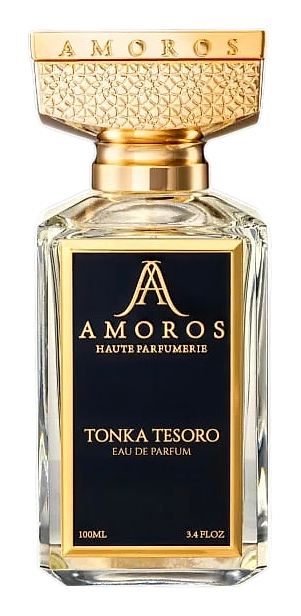
Fragrances featuring Austrian Clary Sage
Brands
Brands known for Austrian Clary Sage
Good to know
Questions, answered
The essentials on Austrian Clary Sage in perfumery: how it smells, where it comes from, and how it behaves on skin.
What does Austrian clary sage smell like?
Austrian clary sage smells herbaceous and musky with faint sweetness and subtle floral undertones. Cool alpine growing conditions produce an oil with cleaner, brighter top notes compared to material from warmer climates.
How is clary sage essential oil extracted?
Steam distillation is the standard method. Steam passes through harvested flowering tops and upper leaves, rupturing oil glands and carrying volatile compounds into condensers where the pale golden essential oil separates from the hydrosol.
What is the difference between clary sage oil and clary sage absolute?
Steam-distilled oil is lighter, herbaceous, and tea-like. Solvent extraction produces a concrete and absolute that are richer, darker, and more tenacious with deeper musky, tobacco-like facets suited to base-note applications.
Why is clary sage important to the fragrance industry?
Clary sage contains sclareol, a diterpene alcohol that serves as the primary natural precursor for sclareolide, a synthetic musk fixative used widely in perfumery. This dual role makes it one of the most economically significant botanical crops for fragrance.
Where is clary sage grown for perfumery?
Major production regions include the United States, China, Ukraine, and France. Austria represents a smaller specialty origin, valued for oil with distinct alpine-grown characteristics and high sclareol content.
Can clary sage oil be produced without farming?
Biotech alternatives now exist. Fermentation-based production of sclareol offers a consistent, sustainable supply without agricultural dependence, though natural steam-distilled oil remains preferred by many perfumers for its complex aromatic profile.
Is Austrian clary sage safe for skin application?
Diluted clary sage oil is generally considered safe for topical use. However, its high sclareol content means it should be properly diluted, and individuals with hormonal sensitivities should consult guidance before regular skin application.
What fragrance families feature clary sage most prominently?
Clary sage appears prominently in fougère, chypre, and oriental compositions. Its herbaceous-musky character bridges fresh top notes with warm, ambery bases, making it a versatile middle-note building block.