The Story
Why it exists.
The beginning
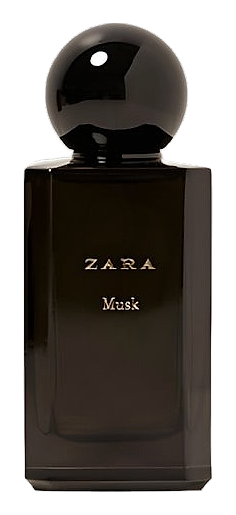
Zara entered fragrance in 1998 through a partnership with Spanish house Puig, building scents the same way the brand builds clothing: current, considered, and accessible. Musk arrived in 2014 as part of the brand's broader expansion into women's fragrance, landing squarely in the warm-musk category that was filling counters at every price point. The brief was simple and well-understood. White musk and patchouli as the structural bones, bright citrus to cut the sweetness, a floral heart to give it body. No narrative, no destination, no poetic name. Just a clean, wearable composition that could sit next to the checkout at Zara and not feel out of place. That positioning is the point. Zara fragrances are designed to be tried on impulse and adopted without ceremony. Musk reads as a wardrobe staple rather than a statement.
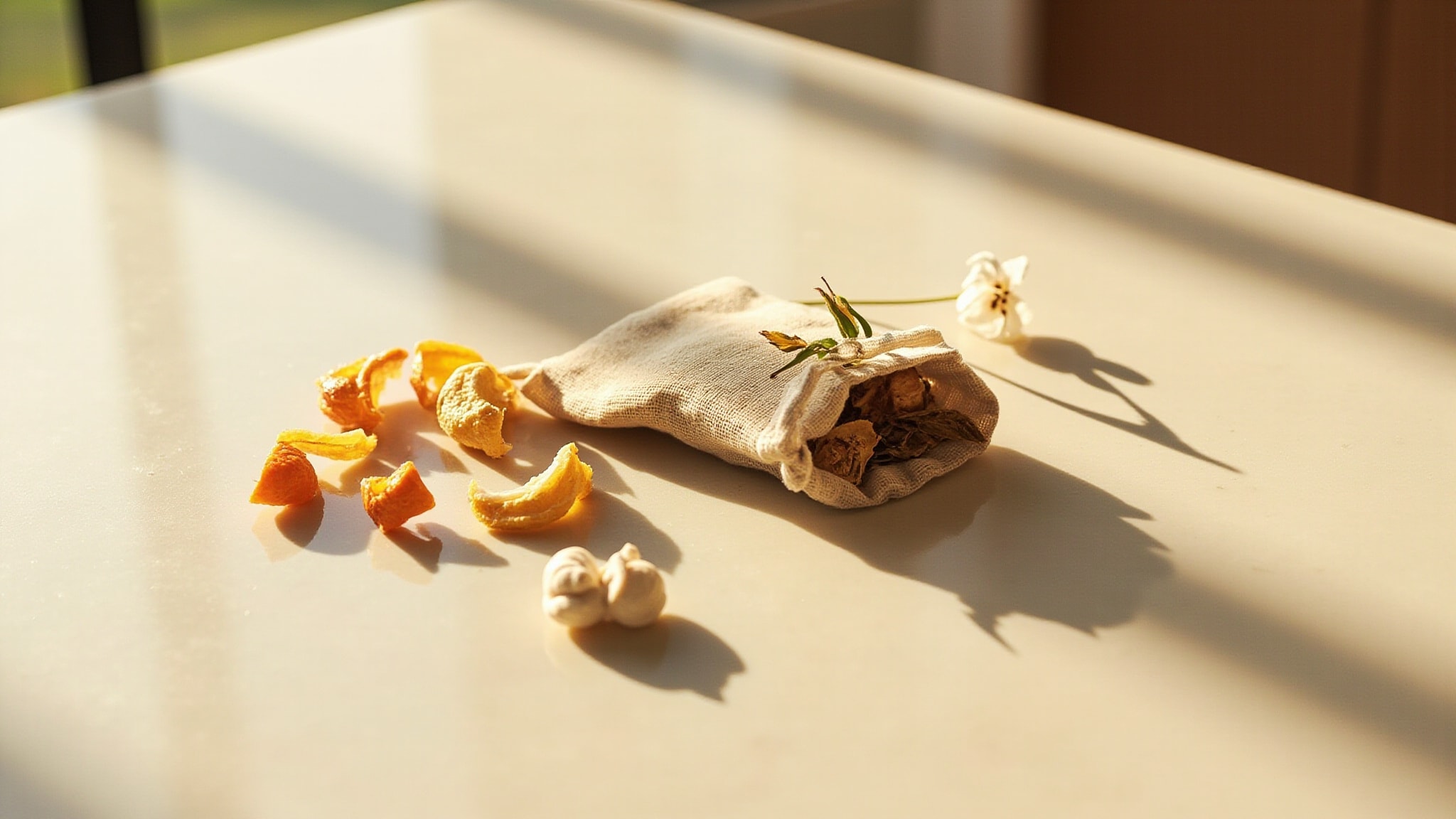
Patchouli sits in an unusual spot here, threaded through the heart rather than buried in the base. That placement gives the whole composition a dry, earthy current that prevents the neroli opening from reading as a typical bright-floral. Jasmine is the counterweight, adding a creamy indolic warmth without tipping into heavy white-floral territory. The base does a lot of quiet work. Musk, tonka bean, amber, and vanilla stack up into a soft, milky warmth that lingers close to skin rather than projecting outward. Cedar in the middle notes acts as the bridge, woody enough to keep the patchouli from feeling flat, dry enough to stop the vanilla from cloying.
The evolution
The first 15 minutes are the brightest the fragrance gets. Neroli and bergamot arrive quickly, almost before the bottle's warmth has left the sprayer, and the tangerine adds a juicy lift that fades faster than either. The citrus reads clean and slightly soapy, a morning energy that won't survive past the commute. Around 20 minutes in, the patchouli surfaces. It doesn't announce itself so much as settle underneath, pulling the opening downward into something earthier. Jasmine comes forward next, soft and creamy rather than indolic, and the cedar adds a dry woodiness that keeps the heart from feeling like a typical white floral. The base takes over by the two-hour mark. Musk and tonka blend into a warm, skin-close sweetness, and the amber deepens it into something that reads more like fabric than fruit. Vanilla is present but restrained, adding a faint creaminess rather than dessert. By hour four the citrus and jasmine have largely disappeared, and what remains is patchouli, musk, and tonka doing the quiet work of a close-skin scent.
Cultural impact
Zara Musk arrived in 2014 as part of the Inditex-owned retailer's broader push into accessible, trend-led perfumery, produced through a long-running collaboration with the Spanish house Puig. Within Zara's fragrance portfolio, it sits alongside other warm, musk-leaning women's scents that helped the brand shift perfume from a checkout-counter afterthought into a deliberate category, with dedicated shelf space in flagship stores across Europe, the Middle East, and Latin America. The composition reflects the mid-2010s appetite for soft, skin-scent musks rather than the louder, sweeter gourmands that had dominated mass-market launches earlier in the decade.