The Story
Why it exists.
The beginning
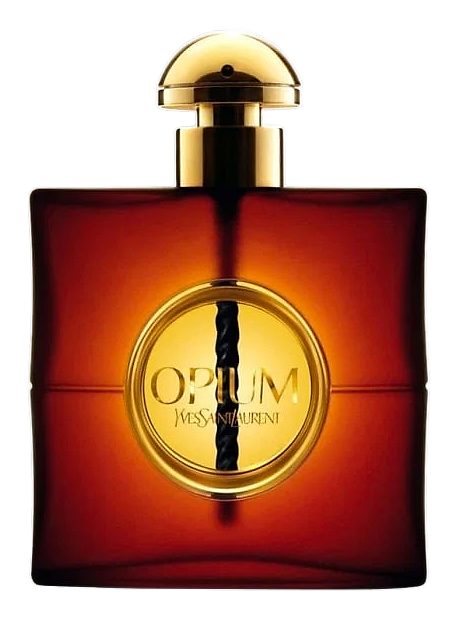
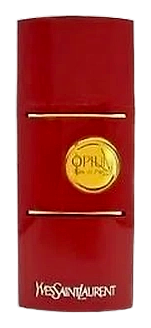
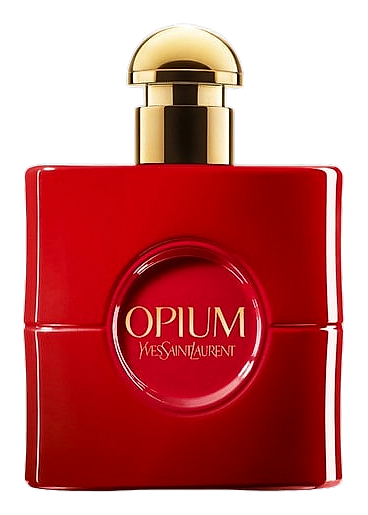
YSL released Opium Rouge Fatal in 2015 as a limited collector's edition, housed in the signature red lacquered bottle that signals intensity before the cap even opens. This wasn't a new fragrance in the traditional sense, it was a special winter reinterpretation of the 2009 Opium Eau de Parfum, itself a modern evolution of Jean-Louis Sieuzac's legendary 1977 Opium. But the Rouge Fatal edition pushed the warmth dial. Where the original had balance, this one leaned into spice, into amber, into the kind of heat that feels earned in cold weather. The brief was simple: take Opium, make it more mysterious, release it in a bottle that looks like it's hiding something worth finding.
The note structure tells the story. Mandarin, bergamot, and lily of the valley open cleanly, bright citrus, a breath of white floral, before the composition pivots hard into warmth. Clove and carnation anchor the heart, materials that smell like heat itself, like the moment a cold room finally warms. Myrrh adds an aromatic, slightly medicinal depth that lifts the sweetness before it becomes obvious. Then patchouli, vanilla, amber, and vetiver arrive in the base, Oriental grounding that pulls the whole thing into evening. What makes this composition work is the restraint in the heart. Carnation can easily tip into powder. Clove can easily tip into dental office.
The evolution
The opening is a trick. Mandarin and bergamot arrive bright and clean, almost deceptive in their freshness. You might think this is going to be a gentle, citrus-forward scent. Then lily of the valley fades, and the clove arrives. It doesn't whisper. Within twenty minutes, the heart opens fully: carnation's spice, myrrh's resin, jasmine's creaminess all arriving together like guests who showed up at once. The warmth builds for the next two hours. This is the main event. The base arrives around hour three. Patchouli and vanilla don't fight the clove, they absorb it, sweeten it, deepen it. Amber wraps around everything, and vetiver adds a dry, woody finish that prevents the composition from becoming too soft. By hour six, the fragrance has settled into something quieter but no less present. On fabric, the vanilla and patchouli linger for another day. The sillage stays moderate throughout, never a room-filler, always close enough to notice when someone moves.
Cultural impact
YSL fragrances have never been for those seeking approval. The house built its identity on provocation, Opium caused protests on its 1977 debut, and that spirit lives in Rouge Fatal. The clove-carnation-myrhh combination sits at the edge of wearable, drawing those who want fragrance with real character. Community reception has been divided in the best way: strong opinions, passionate defenders, the kind of conversation that proves the scent is doing something right.