The Story
Why it exists.
The beginning
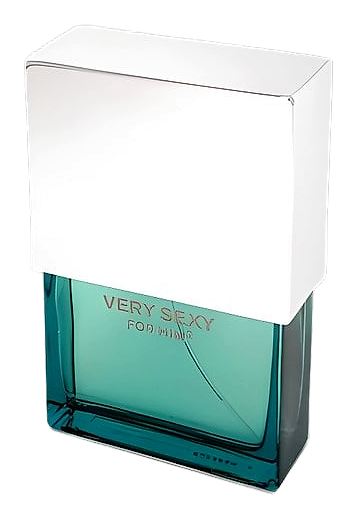
Very Sexy for Him 2 arrived in 2003, a follow-up to Victoria's Secret's first men's fragrance. Perfumer Steve DeMercado built it around a tension: the bright, almost clinical cleanliness of aldehydes meeting something earthier underneath. Green bell pepper as a top note was unusual for the era, most masculine fragrances leaned into citrus or aquatic accords. The name said "very sexy," but the composition was really about understated confidence. It wasn't trying to seduce anyone. It assumed the wearer already had.
The aldehydes are the hinge here. In perfumery, they're typically associated with Chanel No. 5's powdery elegance, something floral, something soft. Putting them alongside green bell pepper and sage reframes them entirely. The aldehydes become sharp instead of powdery, herbal instead of floral. It reads as clean, but not soapy. That distinction matters. Combined with juniper berries, you've got a top section that smells like the moment between shower and getting dressed, already groomed, not trying.
The evolution
The opening lasts maybe fifteen minutes. Aldehydes and green bell pepper, a combination that arrives bright and almost medicinal before the sage and juniper round it out. Then the hand-off: lavender and geranium arrive quietly, with cardamom and nutmeg warming the center. The fennel is a surprise, it adds a faint anise quality that most people read as "herbal" without pinpointing why. By hour two, you're in the heart and it's doing its real work. The green note doesn't disappear entirely, it softens, becomes part of the background texture. Hours three through five belong to the wood base. Teakwood, sandalwood, guaiac wood, and a whisper of palisander rosewood. Musk keeps everything close to skin. The drydown isn't dramatic. It just stays. A warm, quiet presence that outlasts most of what you sprayed it over in the morning.
Cultural impact
Released in 2003, Very Sexy for Him 2 reflects the era's approach to masculine fragrance, confident but not aggressive, grooming-adjacent rather than statement-making. The aldehyde-green note combination was unconventional for men's scent at the time, more commonly found in feminine compositions. Respected by fragrance enthusiasts who appreciate its unique character, the scent maintains a loyal following among those who discovered it during its original run.
The House
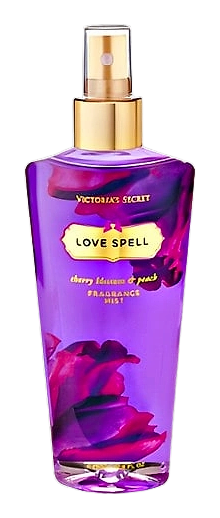
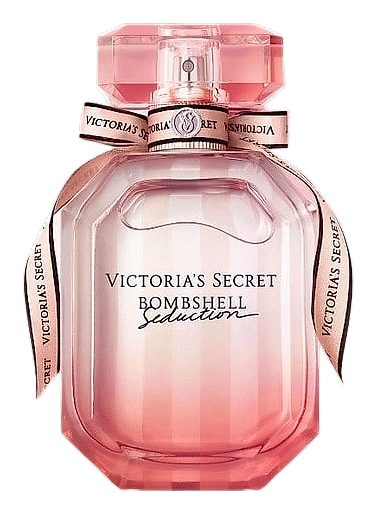
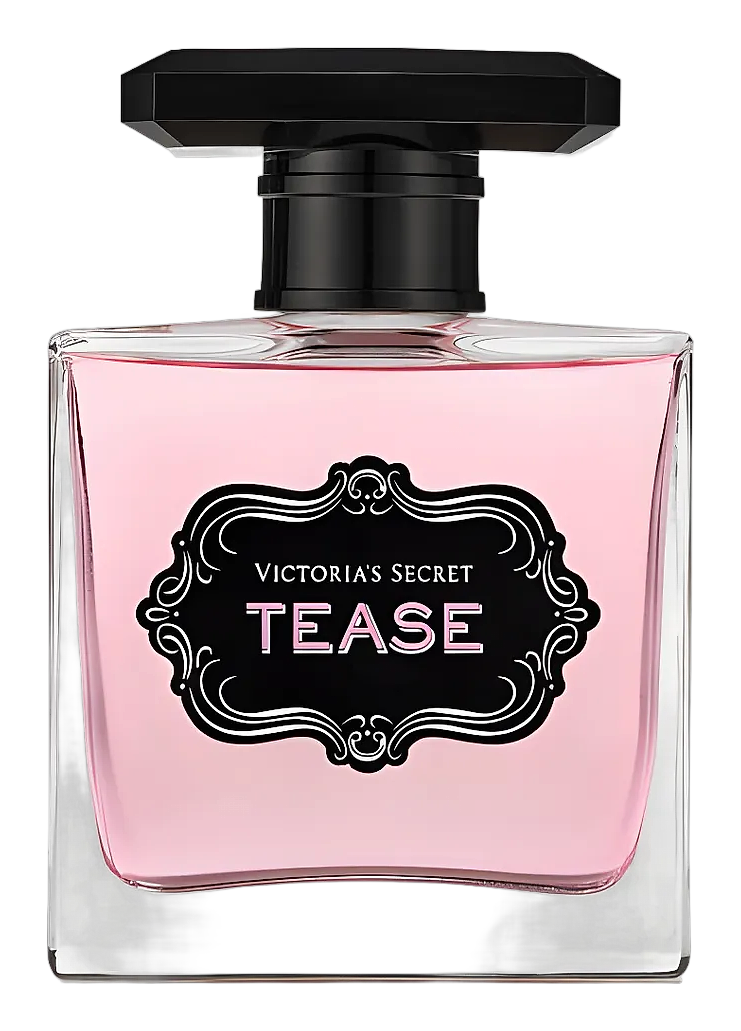
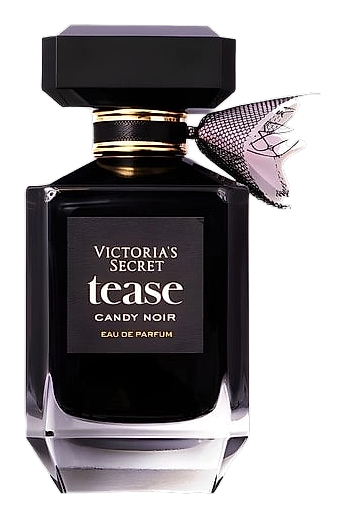
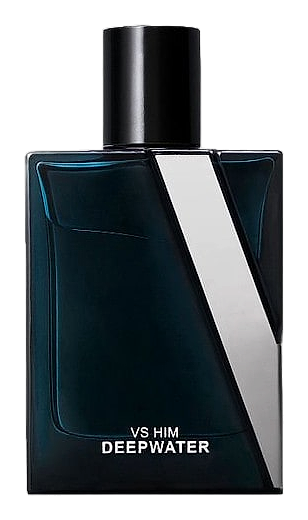
Victoria's SecretVictoria's Secret began as a San Francisco lingerie company founded in 1977 by Stanford graduate student Roy Raymond and his wife Gaye. The brand entered fragrance in 1989, launching its first perfume Victoria as part of a national magazine campaign. By the early 1990s, the company had grown to 350 stores nationwide with estimated sales of $1 billion. The beauty division grew substantially enough to generate nearly $1 billion in sales by 2006. Victoria's Secret fragrances are developed through Givaudan's Paris laboratory, the same fragrance house behind perfumes for Tom Ford, Prada, and Louis Vuitton. The brand works with a rotating roster of over 30 perfumers rather than a single in-house nose, creating scents for its Dream Angels, Very Sexy, Body, and Pink collections. Popular fragrances include Bombshell, Love Spell, Tease, and Heavenly, which ranked as the top-selling fragrance in the United States by both revenue and volume from 2005 to 2010. Victoria's Secret has won 20 Fragrance Foundation awards since 2001. The company offers fragrances alongside perfumed body care products including body mists, body lotions, and eau de parfum in various formats.
The Creator
Steve DeMercadoSteve favors a clean, linear structure that highlights a dominant theme while supporting it with subtle accents. He often starts with a strong heart—rose, jasmine, or a citrus burst—and builds a supportive base of woods, amber, or musk that adds depth without overwhelming the…