The Story
Why it exists.
The beginning
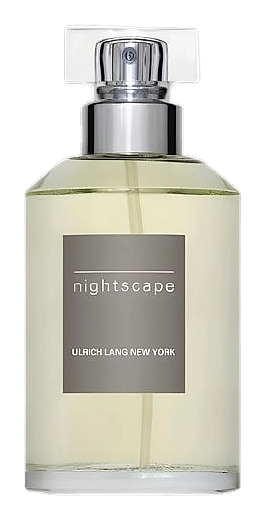
After Anvers and Anvers2, Ulrich Lang wanted something different. The first two fragrances were amber-rich, warm, daylight compositions. Nightscape was conceived as their shadow, the olfactory equivalent of a photograph taken after the flash. Lang is a self-described patchouli fan, but he wanted the ingredient to mean something new. The 60s associations, flower power, incense, the hippie aesthetic, felt tired. He wanted patchouli that pointed forward, not back. The brief was simple: take patchouli seriously again. Give it a composition that could stand in a downtown bar without smelling like a flashback.
The green accord became the counterweight. Bergamot, basil, sage, mint, each one cool in its own way, each one fighting the patchouli's natural warmth. Honey was the bridge between the two energies, pulling sweetness from the floral heart into the woody base. The result is a fragrance that refuses to commit to one temperature. It's cool when you first spray it. It's warm three hours later. The leather arrives quietly, wrapping the patchouli in something softer, something that smells like the inside of a jacket rather than the forest floor. That's the trick here, taking an ingredient everyone knows and making it feel unfamiliar.
The evolution
The first minutes hit cool and tart. Lime, bergamot, mint, sharp without being aggressive. The green herbs arrive immediately, basil and sage cutting through the citrus like cold air through an open window. This is the urban part, the part that smells like the city instead of the countryside. Around the twenty-minute mark, the honey appears. Not the sticky kind you smell in food, the clean, slightly animalic honey that acts as a bridge between the bright opening and the darker base. Jasmine and geranium layer over it, the florals almost dusty, and sesame adds a nutty, slightly mineral undertone that most people don't expect. The leather hasn't fully arrived yet, but you can sense it waiting. An hour in, the green accord begins to fade. The citrus recedes first, then the herbs, until only the florals and honey remain, then those go too. What replaces them is the leather. Soft, dark, intimate. Patchouli anchors the base, but it's the leather that defines the drydown, warm and slightly sweet, with amber and tonka rounding out the edges.
Cultural impact
Nightscape carved its niche in the late-2000s wave of woody-patchouli fragrances that sought to update the ingredient for a contemporary audience. Where others leaned into patchouli's earthy, retro associations, Lang pushed toward something cooler, more urban, the kind of scent that could sit on a downtown shelf without irony. The quiet projection and devoted following made it a quiet contender, the kind of fragrance that pulls people closer rather than announcing itself across a room. It's still in production, which says something about its staying power.