
The Story
Why it exists.
The beginning
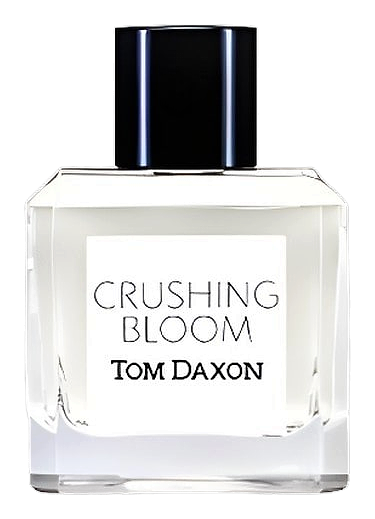
Crushing Bloom arrived in 2013 as part of Tom Daxon's debut collection, each fragrance built around letting a raw material speak without ornamentation. The brief for this one was simple on paper: a rose composition with darkness and weight. The 'darkness' came from pushing against rose's usual prettiness, pairing it with green spicy top notes and grounding it in earthy, natural materials. The 'weight' came from iris, a powdery, almost mineral floral that sits between violet and orris root and adds structure rather than sweetness.
What's interesting about this pyramid is the tension between the opening and the finish. The top is all attack, black pepper, cardamom, pink pepper, and the surprising addition of lily of the valley that keeps things green rather than sweet. The heart layers jasmine sambac against rose, which gives the floralcy a slight indolic warmth. But the base is where the composition earns its name: oakmoss and vetiver bring an earthy, chypre-like quality that keeps the florals from floating away into abstraction. The musk lingers close, intimate, like crushed petals left on skin.
The evolution
The opening arrives fast, pepper and cardamom hit within seconds, with lily of the valley providing a cool green counterpoint that keeps the spiciness from feeling aggressive. The pink pepper adds a subtle warmth beneath, a hint that this won't stay sharp forever. As time passes, the heart takes over. The jasmine sambac and rose blend into the iris, and the whole composition shifts from green-spicy to powdery-floral. The florals don't replace the spices so much as absorb them. Eventually, the base takes over. The oakmoss and vetiver ground everything, and the musk creates a silky close-to-skin trail that lingers. Vetiver is the last note standing, the earthy, slightly smoky drydown that clings to fabric and skin long after the florals have faded.
Cultural impact
The Tom Daxon house emerged in 2013 with an unpretentious, ingredient-first approach. Crushing Bloom found an audience among wearers who wanted rose without the expected softness, the kind of person drawn to fragrance that has structure, not just sweetness. Early adopters described it as 'peppered flowers with musk,' a three-word summary that captures both its character and its audience.