Heritage
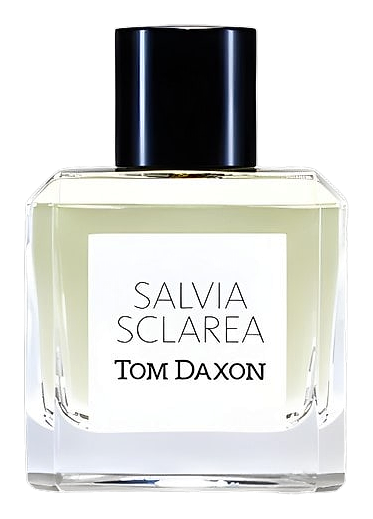
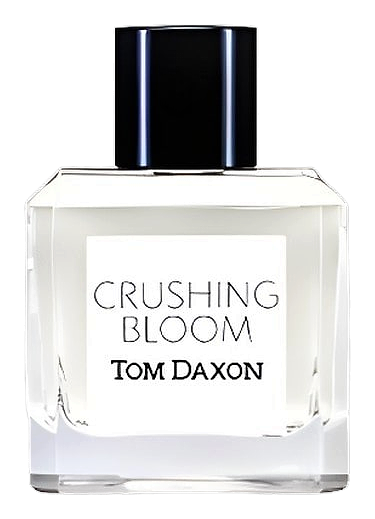
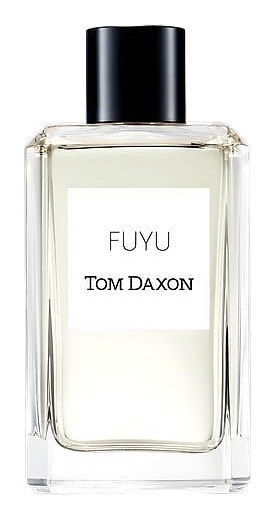
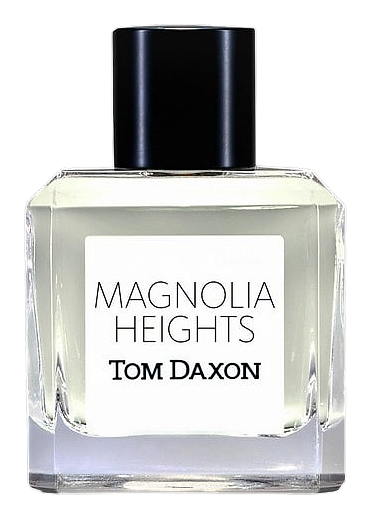
A house, in its own words
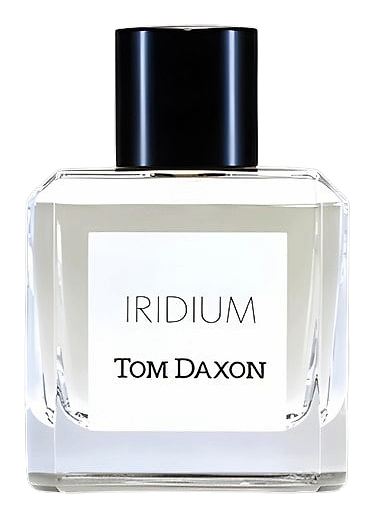
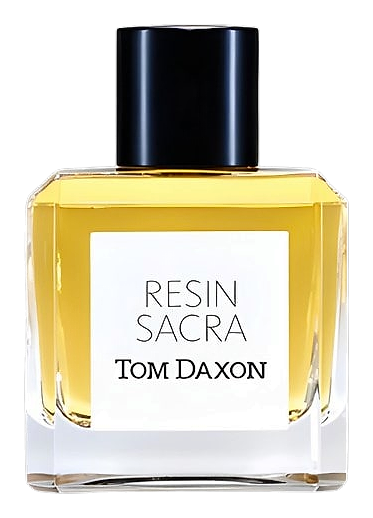
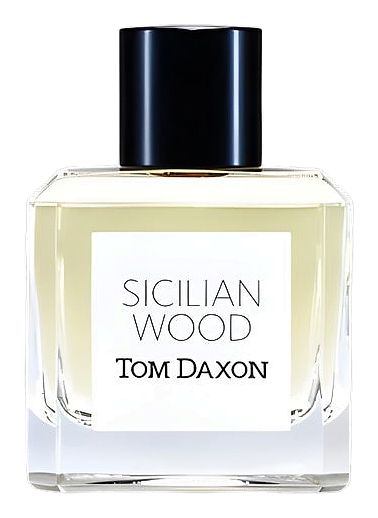
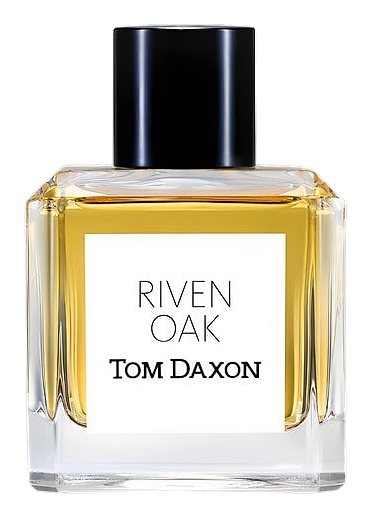
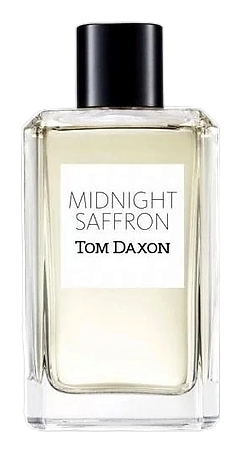
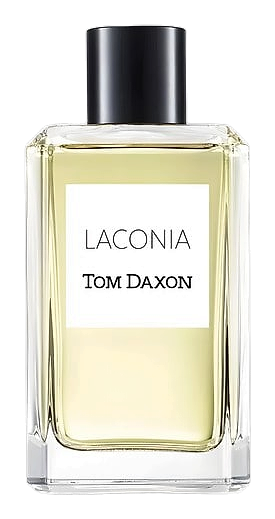
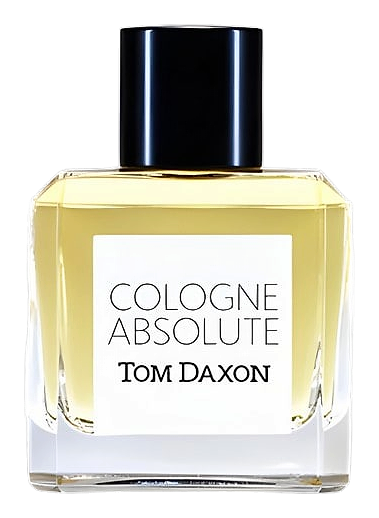
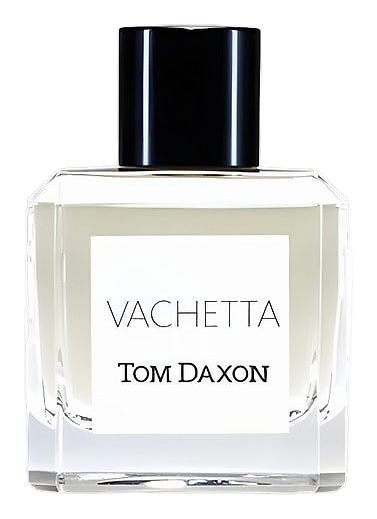
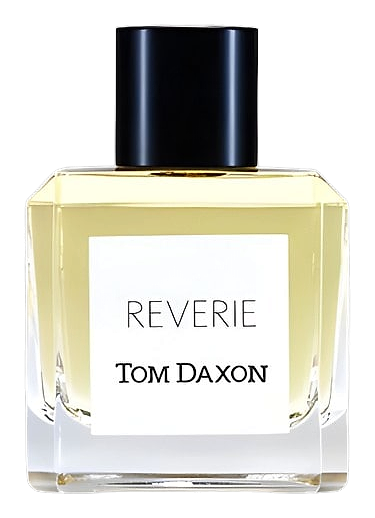
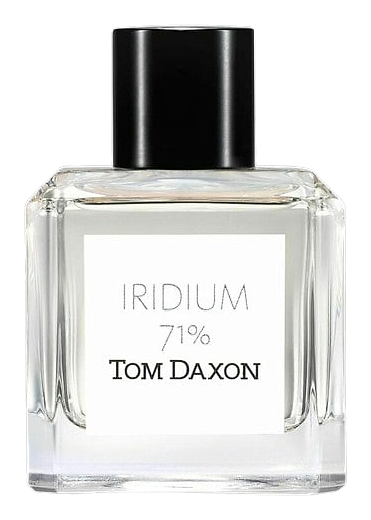
Tom Daxon Bowers grew up in a household where fragrance was daily business. His mother directed a perfume studio and taught him how to evaluate raw ingredients. After graduating from university, Bowers left a corporate role at age 27 and founded his eponymous house in 2013. The debut year saw the release of several core scents – Resin Sacra, Sicilian Wood, Salvia Sclarea, Cologne Absolute, Vachetta and Crushing Bloom – each designed to let the source material speak. Early press coverage highlighted the brand’s commitment to ingredient clarity and its London‑based laboratory. In 2015 the house introduced its first candle line, using hand‑poured soy wax and custom acrylic containers supplied by Midton Acrylics. 2017 marked the launch of Riven Oak, a woody composition that earned praise for its balance of oak and subtle spice. The following year, Laconia arrived, expanding the portfolio into aromatic fougère territory. 2019 proved prolific, delivering Iridium 71% – a metallic‑tinged fragrance – and Fuyu, a winter‑inspired blend. Throughout its first decade, Tom Daxon has maintained a small‑batch production model, sourcing natural absolutes from France, Italy and the United States while partnering with specialist labs for synthetic accords. The brand’s growth has been steady, with each new launch accompanied by limited‑edition packaging that reflects its minimalist aesthetic. By 2023 the house had added hand creams and body lotions, extending the scent experience beyond the skin. Today Tom Daxon remains a family‑inspired, ingredient‑driven label that continues to shape contemporary British perfumery. Tom Daxon approaches perfumery as a dialogue with raw materials. The house believes that a fragrance should first reveal the character of its key ingredient before any artistic embellishment. This principle guides every brief, from the selection of a single oak log for Riven Oak to the choice of a specific variety of sage for Salvia Sclarea. The brand values transparency, publishing ingredient lists on its website and offering sample vials that let customers experience a scent before committing. Sustainability informs sourcing decisions; the house works with farms that practice responsible harvesting and prefers ingredients that can be regenerated. Creativity at Tom Daxon balances laboratory precision with tactile experimentation. Bowers often visits farms, attends harvests and records sensory impressions that later become the backbone of a formula. The label rejects mass‑market trends, instead curating a niche collection that appeals to collectors who appreciate nuance. Community also matters: the brand engages with fragrance forums, shares behind‑the‑scenes videos and invites feedback that can shape future releases. In this way, Tom Daxon positions itself as a collaborative, ingredient‑first atelier rather than a commercial perfume house.