
The Story
Why it exists.
The beginning
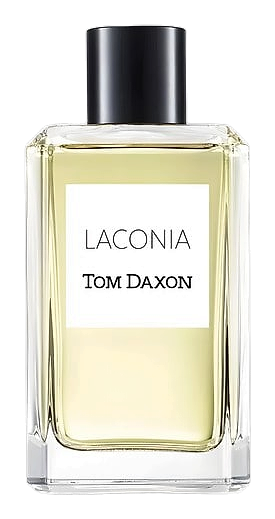
Laconia takes its name from the Greek peninsula celebrated in Henry Miller's The Colossus of Maroussi, where the author described approaching the island by boat, lemon groves visible on the shore, their fragrance already filling the air with 'a frenzy of self-surrender.' Tom Daxon channeled his own holidays in Greece, where local lemonade vendors stationed themselves at every coastal town, their pitchers sweating in the heat. The idea wasn't to recreate a place. It was to bottle the sensation of arrival, that first breath of warm citrus, salt air, and afternoon sun. The composition opens with a trio of citrus: bergamot and mandarin leading, lemon arriving a beat later to deepen the brightness. Water mint and violet leaf shift the energy from grove to coastline, while vetiver and cardamom provide the mineral elegance that keeps the drydown from feeling like a drinkable stereotype.
What sets Laconia apart is the water mint and violet leaf pairing. Water mint isn't the sharp, almost antiseptic mint of many fresh fragrances, it's rounder, with a quiet aquatic quality that reads as a Greek mountain stream rather than a foot spray. Violet leaf adds a green, slightly cucumber-like freshness with an edge of something almost metallic that mimics sea spray perfectly. Sea salt is the binder here. It doesn't smell like a marine accord, it makes the vetiver feel sun-baked rather than earthy, the cardamom feel coastal rather than warm. The drydown is Mediterranean air in a bottle, bright and herbal and alive. The jasmine deserves mention too.
The evolution
The opening is immediate and confident. Bergamot, mandarin, lemon, all three citrus notes arrive at once, with real intensity. There's no waiting period. No courtesy first impression. This is a fragrance that knows what it is from the first spray. Twenty minutes in, the heart begins its slow takeovers. Jasmine appears, surprisingly soft, almost shy compared to the citrus that preceded it. Water mint and violet leaf form a quieter, greener partnership. The sea salt note that threads through the whole composition becomes more apparent, less about marine and more about mineral. The drydown is where Laconia earns its reputation. Vetiver takes center stage, its smoky, mineral character softened by cardamom's warmth. Jasmine lingers at the edges. The citrus has fully departed by now. What remains is earthy, slightly salty, and unexpectedly elegant, a Greek hillside in late afternoon, the sun beginning to dip but the warmth still holding.
Cultural impact
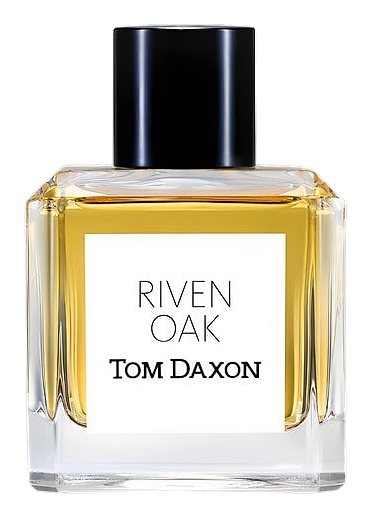
Laconia occupies an interesting corner of the Tom Daxon lineup, the one that prioritizes vivid sensory memory over material transparency. Where other Tom Daxon releases foreground single ingredients (the smoky oak of Riven Oak, the specific sage of Salvia Sclarea), Laconia captures a place and a feeling. The fragrance has developed a following among those who appreciate its bold citrus opening and its refusal to smell like anything safe or predictable. Community reviews note its strong opening and moderate longevity, with the sea salt and vetiver base drawing both admiration and occasional skepticism, some find it bracingly mineral; others detect a sports drink quality that they either love or can't get past.