The Story
Why it exists.
The beginning
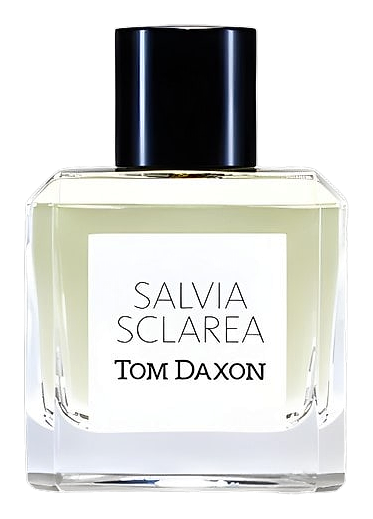
Jacques Chabert named this fragrance for its defining material: Salvia Sclarea, clary sage. The 2013 release puts the herb front and center, not tucked away as a supporting player in a blend, but out in the open, allowed to speak in its full green, slightly medicinal voice. The challenge was making sage wearable without softening it into something forgettable. Jasmine and cashmeran solve that problem. They give the fragrance a quiet warmth that keeps the sage from reading as harsh, without domesticated it into submission. It's ingredient-first perfumery in the truest sense: the material leads, the construction follows.
What makes Salvia Sclarea interesting isn't just the sage, it's the counterpoint. Violet leaf brings a cool, almost ozonic quality that sharpens the green without competing with it. Bergamot and elemi add brightness and a faint resinous lift to the opening. In the heart, jasmine does something unusual: it sweetens without adding floral volume, acting more as a bridge between the herb and the cashmeran warmth below. Cashmeran itself is a modern molecule, synthetic but designed to behave like a soft, powdery musk, it gives the base a warmth and smoothness that the green top never promises. Oakmoss anchors it all with a dry, earthy quality that keeps the drydown from going entirely clean and soapy.
The evolution
The opening hits immediately: green, herbal, slightly sharp. Like crushing a handful of clary sage between your fingers in a sunlit garden. Bergamot and elemi provide an initial brightness that lifts the green, a flash of citrus before the sage takes over completely. This phase lasts roughly thirty minutes, clean and direct. Then the jasmine appears. It doesn't overwhelm the sage, it softens it. The herb becomes less blade-like, more rounded, as the floral warmth seeps in. Cashmeran starts to make its presence felt, adding a soft, almost powdery warmth underneath. This is the heart of the fragrance's appeal: the transition from sharp green to something more considered. By the third hour, oakmoss and white musk take over. The drydown reads as clean skin rather than fragrance, that close, intimate quality that people notice only when they get near. Six to eight hours is realistic for most skin types. On fabric, it fades quietly overnight, leaving nothing but a faint herbal trace.
Cultural impact
Salvia Sclarea occupies a specific space in the green fragrance conversation: it's not aquatic, not fougère, not a fresh-citrus cologne. It's herbal in a way that reads as intentional rather than accidental. The clary sage note, specifically, is polarizing, which is precisely the point. Tom Daxon builds fragrances that take positions. Salvia Sclarea takes one: green doesn't have to be safe.