The Story
Why it exists.
The beginning
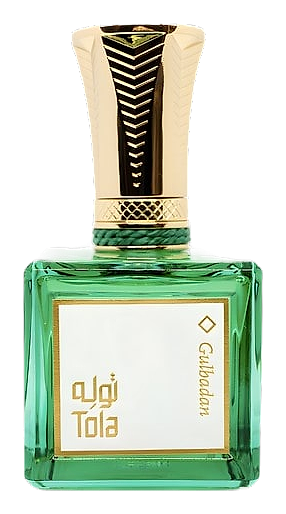
Gulbadan is Persian for 'body like a rose flower.' The name belongs to an Imperial Perso-Turkic princess, daughter of an Indian emperor and descendant of Central Asian aristocracy. Tola's perfumer Dhaher Bin Dhaher drew on that lineage when composing this scent, a fragrance meant to carry the weight of a name without being heavy-handed about it. The concept was to translate royalty into something intimate: presence that fills a room without entering it.
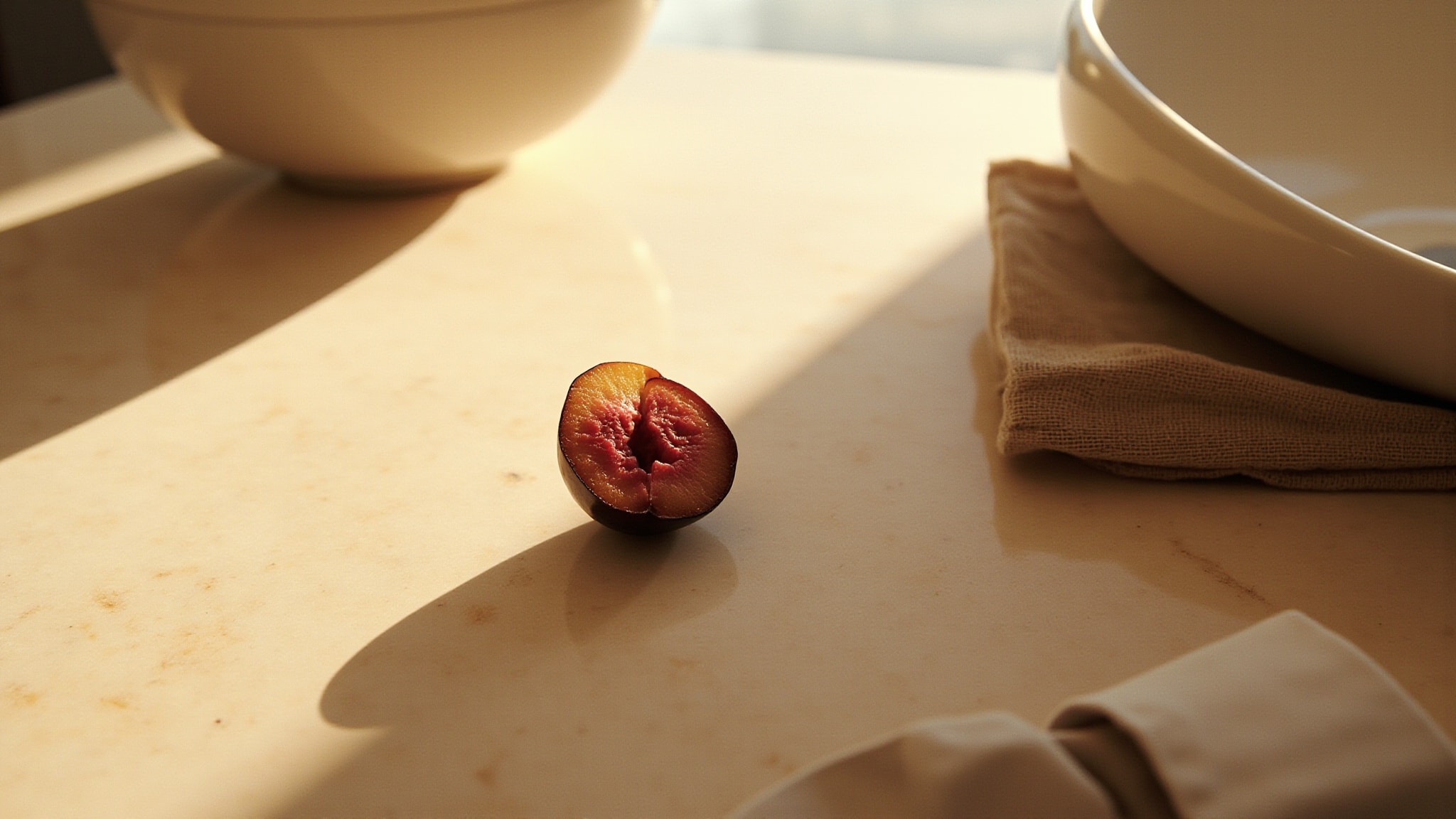
The pyramid does the heavy lifting. Fruit at the top, plum, apple, peach, gives Gulbadan an accessible opening that feels almost playful. Then the white florals arrive in force: gardenia, ylang-ylang, orange blossom, jasmine. They don't tiptoe. They layer, thick and creamy. At the base, agarwood and ambergris keep everything grounded. Sandalwood, vanilla, and white musk add warmth without sweetness. The oud doesn't dominate, it tempers. That restraint is the interesting part.
The evolution
The opening hits first with plum and stone fruit. Star anise adds a quiet spice, barely there but present. Gardenia arrives quickly, bright, white, indolic in the best way. As the top notes soften, the heart takes over. Ylang-ylang and jasmine bloom with a creamy intensity that can read as powdery on some skin. Orange blossom keeps it grounded. By hour three, the oud and ambergris step forward. The sweetness recedes. What remains is warm, animalic, and close to skin, the drydown lingers for hours. A faint trace of sandalwood and white musk stays even the next morning.
Cultural impact
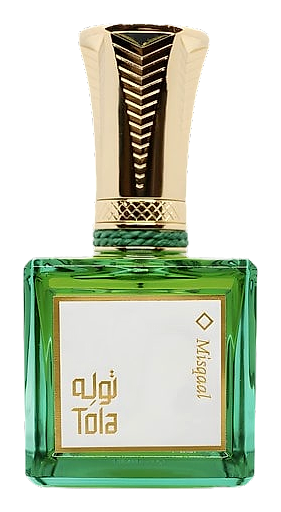
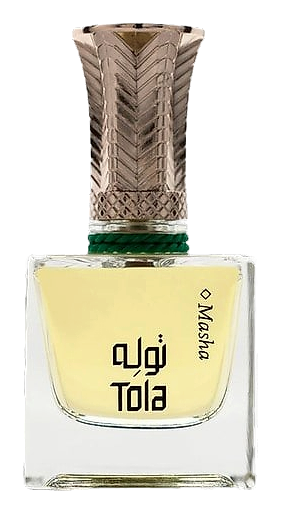
Gulbadan belongs to Tola's founding 2013 collection alongside four other debut fragrances, Masha, Misqaal, Anbar, and Misk Begum. That first wave established Tola's reputation for rich, amber-forward compositions rooted in Gulf perfumery traditions. The name carries genuine historical weight, which is unusual in fragrance naming and sets this apart from more casually titled niche releases.