
Heritage
A house, in its own words
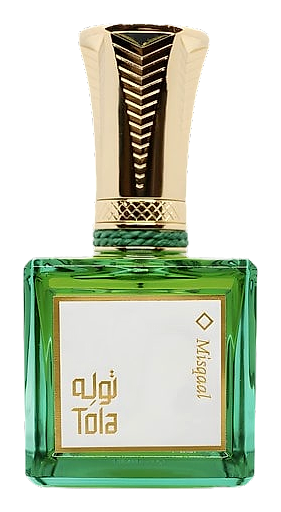
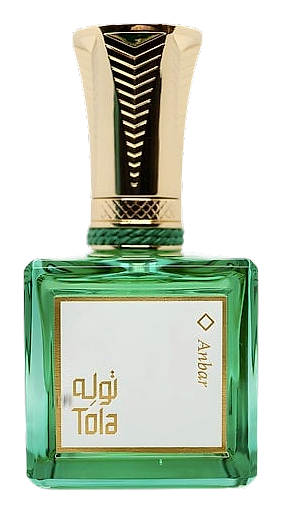
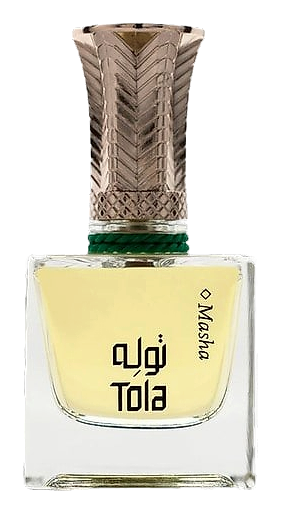
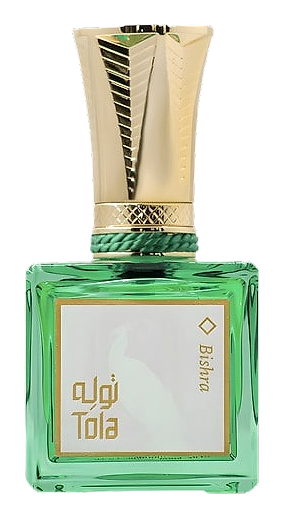
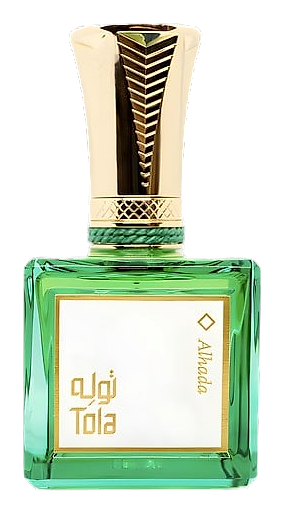
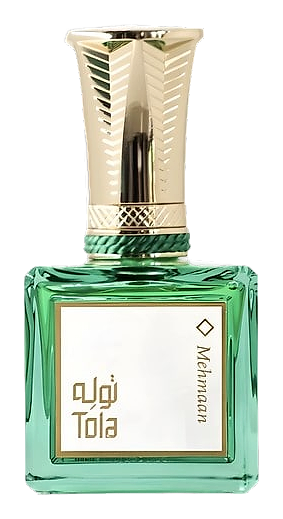
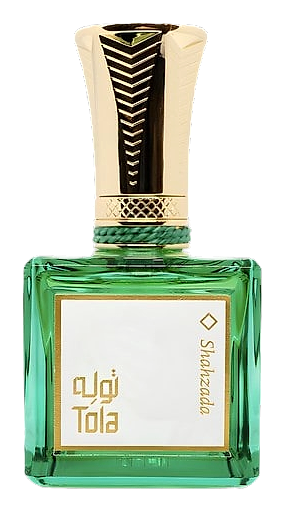
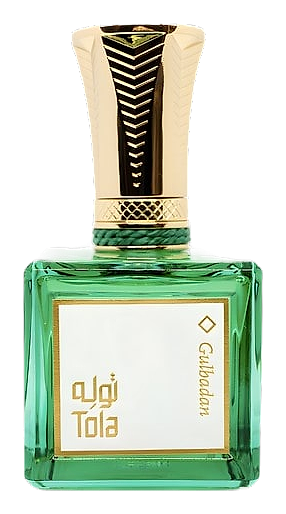
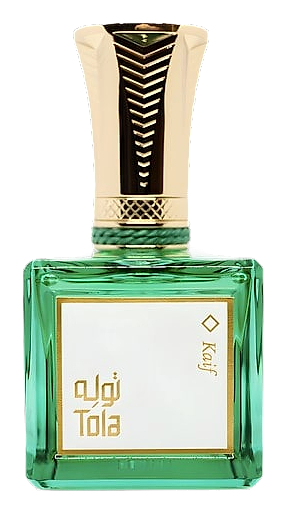
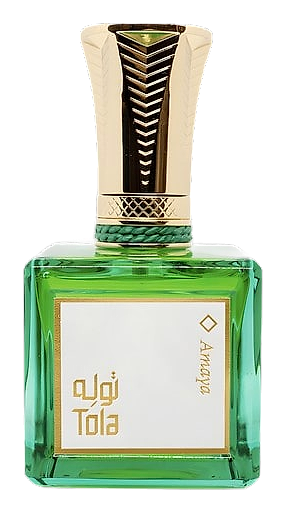
Dhaher Bin Dhaher founded the company in May 2010 after years of informal training in his family’s perfume‑mixing tradition. He credited his mother’s kitchen laboratory as the first classroom for his nose. The brand registered its name in 2010, but the first public fragrance line arrived in 2013, marking the transition from private blends to a commercial portfolio. Early releases such as Masha, Misqaal, Anbar, Misk Begum, and Shahzada all debuted in 2013, establishing Tola’s reputation for rich, amber‑laden compositions. In 2015 the house introduced Alhada, a scent that combined oud with citrus notes and earned attention in regional fragrance forums. Kaif followed in 2017, expanding the line with a fresher, aromatic profile. After a brief pause, Tola returned in 2022 with Bishra and Mehmaan, demonstrating the brand’s ability to evolve while staying true to its roots. Throughout its history, Tola has remained a family‑centric operation, sourcing many raw materials through relationships built by Dhaher’s parents. The house celebrated its tenth anniversary in 2020 with a limited‑edition collection that revisited classic accords, reinforcing its commitment to heritage and innovation alike. Tola treats scent as narrative rather than decoration. Dhaher Bin Dhaher believes that each perfume should capture a moment, a place, or a feeling that listeners can recognize. The house draws on Gulf cultural motifs, using traditional ingredients such as agarwood, frankincense, and ambergris‑free musk to craft stories that feel both local and universal. Tola values authenticity; it avoids synthetic shortcuts when natural extracts are available, yet it embraces modern techniques that enhance stability and longevity. The brand encourages collectors to explore its catalogue as a library, where each bottle adds a new chapter. Sustainability informs the philosophy as well: Tola seeks suppliers who practice responsible harvesting, especially for oud and rose, and it limits batch sizes to maintain quality control. The house also supports regional artisans by commissioning hand‑crafted bottle designs that echo Arabic calligraphy and geometric patterns.