The Story
Why it exists.
The beginning
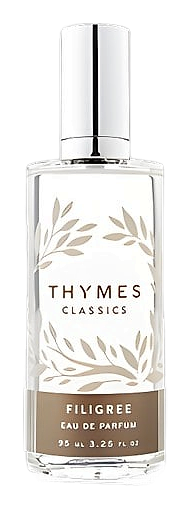
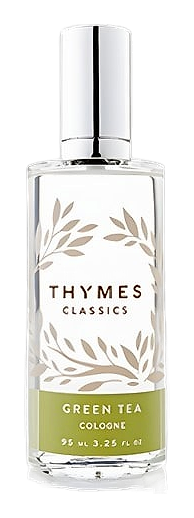
Green Tea arrived in 2000, joining a Thymes catalog that had been steadily growing its range of single-note and nature-inspired fragrances. The brand had built a following by treating botanical ingredients with care, and green tea was a natural fit. Not a bold reinvention, not a loud statement. Just the leaf itself, treated with respect, sweetened with honey and warmed by Moroccan rose. The composition keeps things simple, letting each ingredient carry its own weight without leaning on trends or heavy-handed twists. Green tea sits alongside other Thymes releases from the same period, including Filigree, a fragrance that shares the catalog's commitment to understated botanical work. What makes Green Tea stand out is how much it accomplishes with so little. The notes do the talking.
What makes Green Tea interesting is the contrast the name hides. Green tea on its own is a quiet, almost grassy material, barely there on skin. Thymes built it around honey, which adds an animal sweetness, and Moroccan rose, which adds depth and a faint peppery edge. The woody notes underneath ground the whole thing, keeping the honey from becoming too confectionary. It's a composition built on understatement, but the structure is doing real work. Every note pulls weight, nothing is decorative. The honey doesn't just sweeten; it softens the green into something rounder, more golden.
The evolution
The first ten minutes are a bright, leafy green, almost vegetal, with honey curling underneath like steam. Rose shows up early too, not as a floral statement but as a whisper of warmth, slightly spiced. By the thirty-minute mark, the green tea note softens and the honey steps forward, turning golden and thick. The woody base is already close to the surface, giving the composition a grounded, slightly amber quality. From the second hour onward, it becomes one thing: warm honey, faint wood, a memory of green that's more suggestion than statement. The transition feels natural rather than engineered, each phase bleeding into the next without a hard edge. The green never fully disappears; it just recedes, leaving a trace that reads more as warmth than as freshness.
Cultural impact
Green Tea by Thymes has been a steady presence in fragrance collections since 2000, a fragrance that earns its place through consistency rather than reinvention. It doesn't chase trends, and it doesn't try to outdo the louder designer launches or the more experimental niche releases. Instead, it occupies its own quiet space, the kind of scent that becomes part of a daily routine without ever demanding attention. For over two decades, wearers have returned to it for the same reason they returned the first time: it works. The green tea note is fresh but not sharp. The honey is warm but not heavy.