
The Story
Why it exists.
The beginning
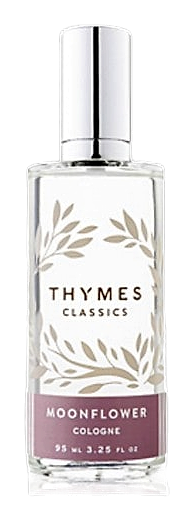
Moonflower arrived in 2009 as part of Thymes' botanical fragrance collection, a response to the louder, more aggressive florals filling the market. The perfumers wanted something that felt like the hour after sunset: mysterious, layered, and unhurried. Rather than leading with brightness, Moonflower opens with warmth and slowly reveals its depth. Sugared spice meets floral sweetness, then deepens into woods and amber that linger. It was designed for the woman who doesn't need to announce herself, her scent arrives before she does, and stays after she's gone.
The combination of cinnamon and cognac is unusual, cinnamon skews sharp and spicy, cognac adds rich, wine-like depth. Most fragrances keep these separate. Moonflower brings them together from the first spray, then introduces magnolia and sugared quince to soften what could have been overwhelming. The ebony wood and mahogany in the base are the real statement: dense, dark woods that ground the sweetness and prevent it from becoming merely girlish. That's the tension that makes Moonflower interesting, it starts sweet and ends woody, and you can't quite predict when the shift happens.
The evolution
The opening hits like a spiced dessert: sugar and cinnamon, bright and immediate. Cognac warmth underneath. This phase lasts roughly 20 minutes before the florals arrive, magnolia and quince together, softening the spice into something more intimate. By the second hour, the warmth has settled into the skin. Cognac and amber carry the composition while ebony wood and mahogany emerge, adding a darker, woodier character that wasn't obvious at first. The drydown is where Moonflower earns its name. A quiet, woody close that lasts well into the next day, faint amber, the ghost of magnolia, and something almost smoky from the clove. On fabric, it lingers longest. On skin, expect the warmth to soften but never fully disappear.
Cultural impact
Moonflower has occupied a quiet corner of the fragrance world since 2009, neither a blockbuster nor a cult hit, but appreciated by those who encounter it. Its warm, woody character sets it apart from mainstream florals and orientals, appealing to wearers who want something less obvious. The combination of sugared spice and dark woods is uncommon, and for those who appreciate it, Moonflower fills a niche that bigger brands haven't revisited.