The Story
Why it exists.
The beginning
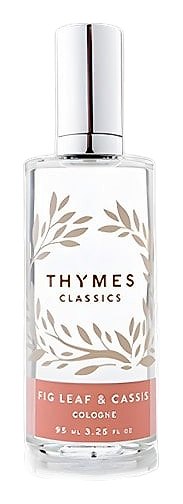
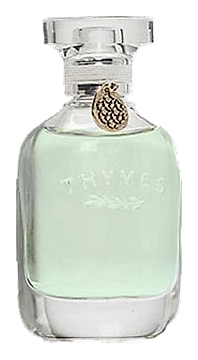
Jade Matcha arrived in 2014, when wellness culture was beginning its long creep into mainstream beauty, but before it became the performance it is now. Thymes, the Minneapolis brand founded on botanical simplicity back in 1982, had spent decades building a quiet reputation for scents that smelled like ingredients, not intention. The name tells you everything: jade for the color, matcha for the ingredient. Japanese green tea as a fragrance concept carries weight, there's centuries of ritual behind it. The brand didn't try to translate that history into something complicated. They just reached for it directly, pairing matcha with notes that would keep the composition approachable: citrus, lemongrass, sugar cane. No translation required.
What makes Jade Matcha structurally interesting is the tension between bitter and sweet. Matcha's natural character is astringent, that slightly medicinal, leafy bitterness you get from the real thing. In perfumery, that edge is hard to handle; it can read as sunscreen gone wrong, or worse, kale smoothie. Thymes solved it by flanking the green tea with enough sweetness to round the corners, while keeping the citrus and lemongrass sharp enough to cut through. The result is a fragrance that smells recognizably like matcha, not a metaphor for it, not an interpretation, without any of the funk that can come from getting the balance wrong.
The evolution
The opening hits bright. Bergamot and lemongrass arrive together, citrusy, a little sharp, green in a way that reads more herbal than fruity. There's an immediate freshness here, the kind that reads clean without smelling like cleaning products. The citrusy opening lingers briefly before the green tea announces itself. That's when Jade Matcha shifts register. The matcha doesn't blast in, it settles underneath the citrus, tempering the brightness with something darker, leafier, slightly bitter. It reads almost savory. This is the fragrance's most distinctive phase, the part that tells you this isn't just another citrus cologne. Then the tonka bean arrives. Sugar cane follows. The bitterness softens into something warmer, sweeter, not dessert-sweet, just soft. A hint of vanilla-adjacent creaminess from the tonka bean, cut with the clean sweetness of cane sugar.
Cultural impact
Jade Matcha drew inspiration from Japanese tea culture, particularly the ceremonial use of matcha. The fragrance translated the essence of green tea into a wearable scent experience, blending herbal and citrus notes with subtle creamy undertones. It represented an interpretation of East Asian fragrance traditions adapted for a Western audience. While the fragrance has been discontinued, it has remained of interest to those who appreciate botanical-inspired scents that move beyond conventional fragrance categories.