
The Story
Why it exists.
The beginning
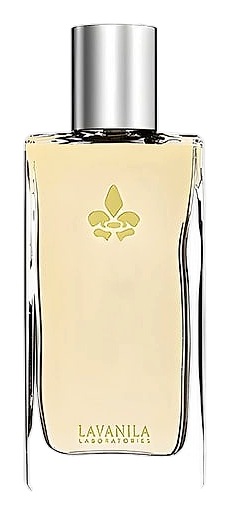
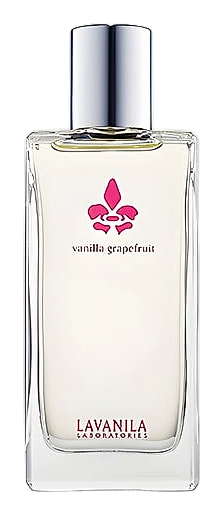
Vanilla Grapefruit arrived in 2007 as part of Lavanila Laboratories' debut collection, a house built on a single conviction: vanilla deserved better than a supporting role. The brand's founders, Laura DiGirolamo and Danielle Raynor, believed vanilla possessed enough range to anchor an entire fragrance line. Vanilla Grapefruit tested that theory by pairing bright citrus against warm vanilla, a combination that sounds simple but requires real formulation skill to execute without one note overwhelming the other. Givaudan worked the composition so neither the grapefruit nor the vanilla surrenders, each holds its ground, which is harder than it sounds.
What makes this work is timing. The grapefruit doesn't fade into some polite memory of citrus, it stays present through the first hour, giving the vanilla something to push against. That's the real trick: most citrus-vanilla fragrances surrender the top notes within twenty minutes. Here, the vanilla integrates slowly, almost reluctantly, as if it arrived early and is still deciding whether to stay. The cedar plays a specific role too, it prevents the vanilla from going gourmand, keeps the whole thing from tipping into dessert territory. Without it, this would be a different fragrance entirely.
The evolution
The opening is tart and bright, pink grapefruit asserting itself with lime sharpening the edges. Cedar arrives earlier than expected, within the first thirty minutes, giving the citrus something to stand against rather than float above. Then the vanilla comes in. Not gently. It doesn't tiptoe; it settles like something with weight. By the third hour, the grapefruit has retreated but not vanished, it's woven into the vanilla now, a memory of brightness rather than a statement. The drydown is warm, close, intimate. Eight to ten hours on most skin, longer if applied to pulse points. The next morning, there's a trace, something soft and woody that lingers on fabric.
Cultural impact
Vanilla Grapefruit found its audience among people who wanted vanilla but resisted its clichés. The citrus-vanilla combination positioned it apart from the gourmand mainstream, not a dessert, not a bakery, but something brighter and more wearable across daily contexts. It became one of the brand's core expressions of the thesis that vanilla could be modern.