The Story
Why it exists.
The beginning
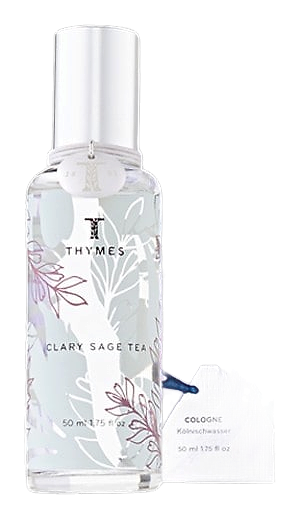
Clary Sage Tea arrived in 2013 as a literal concept: an herbal infusion, steeped. Clary sage anchors the composition, paired with Assam black tea, rosemary, and lavender. It's the scent equivalent of a quiet ritual rather than a statement, no fireworks, no pretension. Just a brew, held in a bottle. The fragrance opens with that distinctive clarity clary sage brings, a green, slightly musky herbaceousness that feels both familiar and particular. Rosemary sharpens the edges with its pine-resinous snap, cutting through the softer elements with a brisk, garden-fresh quality. Lavender settles in alongside, rounding the composition with its familiar floral sweetness and a faint powdery undertone that keeps the whole thing from veering too sharp.
What makes the composition interesting is its layered herbal accord. Clary sage and rosemary share a certain green pungency, yet they're paired with warm amber and creamy sandalwood, a contrast that keeps the composition from reading as a single-note blend. The Assam black tea adds a dry depth that grounds the lavender's sweetness. Together they form a layered structure: green and herbal on top, warm and woody underneath, with the tea acting as a bridge between the two. The interplay feels intentional, each note holding its own while contributing to the whole.
The evolution
The opening is brisk and clean, clary sage and rosemary pushing forward with that bright aromatic character herbal notes bring. Lavender softens the edges, lending a familiar comfort. Assam tea threads through the top, a dry note that reads more like the smell of tea brewing than anything sweet. The first thirty minutes feel distinctly green and herbal, a botanical garden after rain. By the hour mark, amber begins to surface, warming the composition from underneath. The lavender recedes slightly, making room for sandalwood's creamy dryness. The tea note deepens, less brisk now, more like the bottom of a steeped cup, with the dry, faintly resinous quality of steeped leaves. In the drydown, the herbal brightness fades almost entirely. What remains is amber and sandalwood, warm and close to the skin, with a ghost of sage and the dry tannic finish of black tea clinging to fabric and hair.
Cultural impact
Clary sage is a botanical with a long presence in herbal traditions, often associated with calming preparations and quiet domestic use. Rosemary and lavender share that heritage, plants commonly found in kitchen gardens and remedy closets, each carrying associations with clarity, comfort, and slowness. Thymes draws on this herbal vocabulary to build a fragrance that feels rooted in those traditions. The result reads less like a perfume and more like a comforting cup of botanical tea, an approach that borrows from the visual and sensory language of steeping and infusion.