The Story
Why it exists.
The beginning
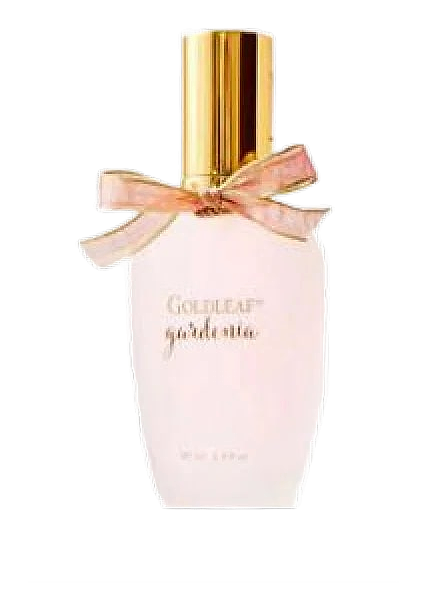
Goldleaf Gardenia arrived in 2015 as Thymes' answer to a very specific question: what does a gardenia fragrance look like when it refuses to try too hard? The brand had spent decades building a following around botanical formulas and gentle, nature-inspired aromas. Goldleaf Gardenia was the next chapter, gardenias with praline warmth and amber that felt romantic without being nostalgic, modern without being cold. The name itself suggests something deliberate: gold leaf, the finest layer, the one that makes you pause before touching it.
Gardenia is a tricky material. Its creamy, slightly indolic character can tip into either garden fog or shampoo territory depending on how it's handled. Thymes navigates this by pairing it with jasmine, another white floral with similar structural warmth, and rose, which adds a subtle green counterpoint to keep the florals from becoming too saturated. The praline arrives in the heart, shifting the warmth from floral to lactonic. By the drydown, amber keeps everything soft and close to the skin rather than letting the sweetness expand outward.
The evolution
The opening is all gardenia. Creamy, immediate, unmistakably gardenia. Jasmine underneath adds its own white floral warmth without competing. Rose arrives quietly, adding a green undertone that keeps the florals from becoming too saturated. As the opening hands off to the heart, praline shifts the warmth from floral to lactonic, the sweetness deepens, becomes richer, more textured. The drydown is where amber does its work: it holds the remaining florals close, creating a soft, skin-close presence that lasts through the evening without ever becoming heavy. Moderate sillage means it stays intimate, close, the kind of fragrance someone notices only when they're already near you.
Cultural impact
Goldleaf Gardenia arrived in 2015 during a resurgence of interest in classic white florals, tapping into the broader cultural movement toward botanical and natural-inspired fragrances. The scent embodies a return to romantic, garden-forward perfumery that many consumers craved after years of oud-heavy and unisex oriental trends dominating the market. Thymes positioned the fragrance as an accessible luxury, making gardenia, a note often reserved for high-end niche houses, available at a moderate price point that democratized elegant floral fragrance. The warm praline and amber drydown reflected the era's preference for comforting, skin-close scents that felt personal rather than performative.