The Story
Why it exists.
The beginning
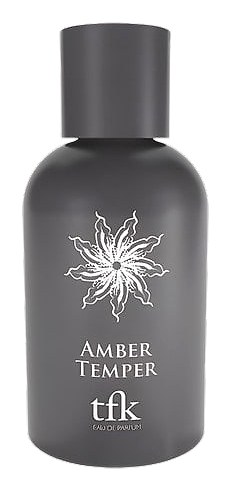
Amber Temper arrived in 2012, released by The Fragrance Kitchen, a Kuwaiti house where Sheikh Majed Al-Sabah oversees a creative direction built on combining Middle Eastern perfume tradition with French perfumers. The name itself points to two opposing forces. Temper means disposition, mood, the quality of restraint. Amber is warmth, resin, centuries of Middle Eastern scent history condensed into one word. Put them together and you get a tension the whole composition is built around: something warm that refuses to spill over. The fragrance positions itself as a unisex floral-oriental, and the structure of the juice lives up to that tension. The opening is bright, almost crisp, the kind of clarity that could belong to a sport cologne if it stopped there. But it doesn't stop there.
What makes this composition worth noticing is the way the notes are distributed. Apple, bergamot, and mandarin do the bright work up top, but they don't dominate. They open the door and step aside. The heart is where the brand's East-meets-West philosophy becomes literal in scent form: powdery notes and jasmine layer together with a soft, almost tactile texture, while rose adds a darker sweetness that rounds out the middle. Patchouli and leather in the base ground all of that airiness, giving the powder something to push against.
The evolution
The first 15 minutes are almost disorienting in their brightness. Apple and bergamot hit sharp, almost tart, like biting into fruit that's still cool from the fridge. Mandarin rounds the edges but doesn't soften the entrance. It reads as a clean, simple opening, the kind that makes you think the whole composition will stay light. Then the citrus pulls back and the powder arrives. Not baby powder, not makeup, something drier, closer to the dusty warmth of sun on linen or the inside of a leather-bound book. Rose and jasmine thread through that powder without ever becoming a bouquet. They sit underneath, adding warmth rather than sweetness. The transition into the base is gradual. Patchouli shows up first as a shadow, earthy and slightly green, then leather arrives and changes the temperature. Not suede softness, something more worn, like the handle of a bag that's been carried for years.
Cultural impact
Amber Temper arrived in 2012, the same year The Fragrance Kitchen emerged from Kuwait under Sheikh Majed Al-Sabah, whose approach combines Middle Eastern perfume tradition with French perfumers. The release carried the kind of cultural weight that comes from a new house introducing itself to a wider audience. Within the Gulf fragrance scene, where oud and rose have long dominated the conversation, Amber Temper stood out for its restraint. It offered warmth without the smoke of oud, richness without the syrup of traditional Arabic perfumery, and a powdery texture that read as sophisticated rather than heavy.