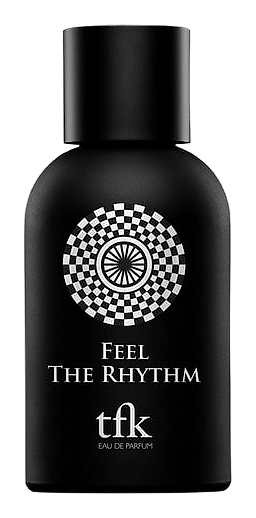
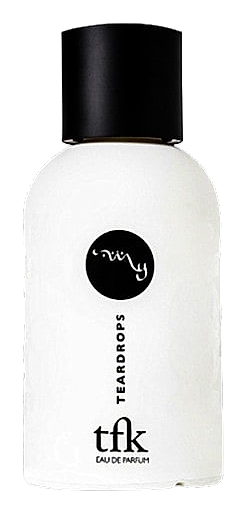
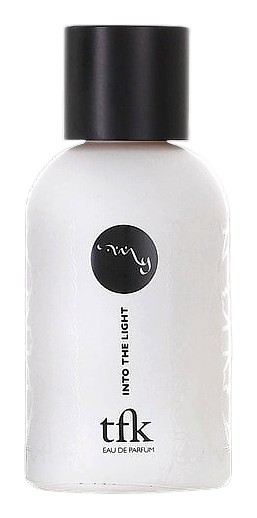
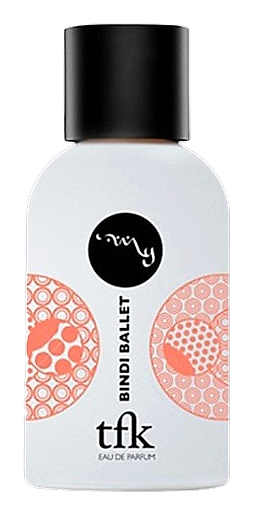
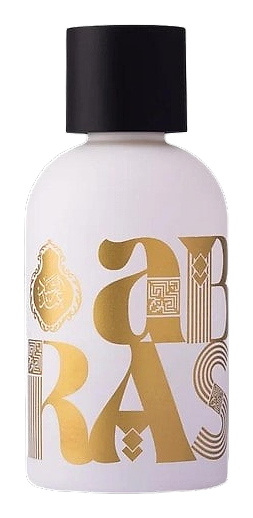
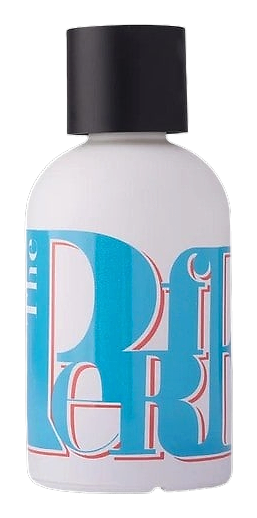
The Heritage
The Story of The Fragrance Kitchen
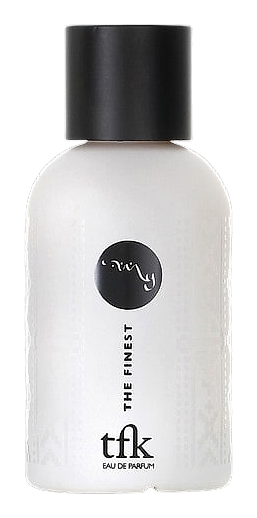
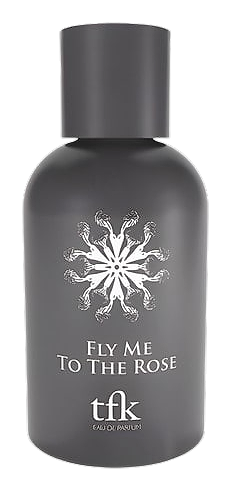
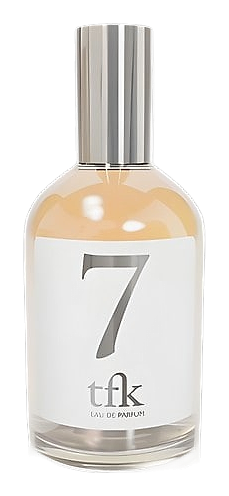
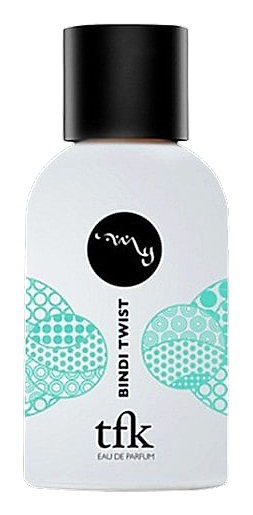
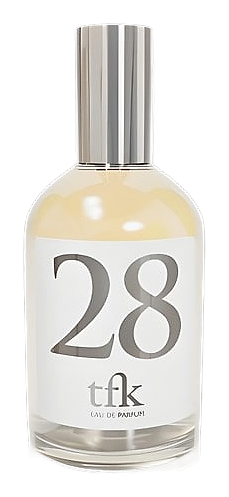
The Fragrance Kitchen is a Kuwaiti perfume house that blends the heritage of Middle Eastern scent traditions with the technical expertise of French perfumery. Founded in 2012 by Sheikh Majed Al‑Sabah, the brand offers a portfolio of niche fragrances that balance rich oud, amber, and spice with delicate florals sourced from Grasse. Its collections have reached a global audience, including a boutique presence inside Bergdorf Goodman in New York, where the brand introduced its latest releases to an American clientele.
Heritage
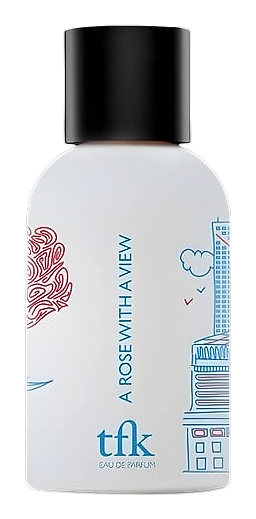
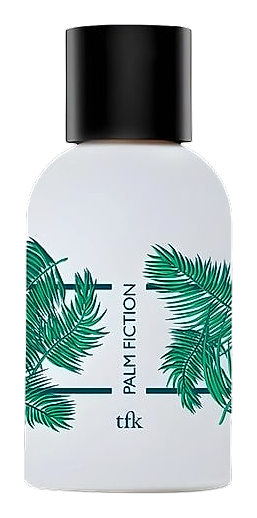
The story of The Fragrance Kitchen begins in 2012 when Sheikh Majed Al‑Sabah, a member of Kuwait’s ruling family, decided to create a perfume house that would honor the region’s centuries‑old aromatic culture while embracing contemporary techniques. The founder’s vision was to build a bridge between the spice‑laden markets of the Gulf and the flower fields of Grasse, France. Early on, the brand secured partnerships with French perfumers, allowing it to develop scents that combined oud, frankincense, and amber with rose, jasmine, and other European notes. In 2013 the house released its first two fragrances, Teardrops and Into The Light, signaling a commitment to both emotional storytelling and technical precision. The following year saw a rapid expansion of the catalogue, with 2016 marking a prolific period that introduced Palm Fiction, Midnight, A Rose With A View, and The Finest Everyday. Each launch was accompanied by limited‑edition packaging that reflected the brand’s culinary metaphor – the idea that fragrance creation is akin to a chef crafting a dish. In 2017 Orion arrived, adding a celestial theme to the line and reinforcing the house’s willingness to explore new narrative territories. The brand’s growth attracted the attention of Development Holding, which acquired The Fragrance Kitchen a few years after its founding, providing additional capital for retail expansion and research. The most visible sign of that expansion came when the house opened a dedicated space inside Bergdorf Goodman in New York, marking its first permanent foothold in the United States. Throughout its history, The Fragrance Kitchen has remained rooted in its dual heritage, positioning itself as a conduit for cultural exchange through scent.
Craftsmanship
Production at The Fragrance Kitchen follows a hybrid model that merges traditional Middle Eastern techniques with modern French laboratory standards. Raw materials such as agarwood, sandalwood, and frankincense are sourced from certified farms in Oman, Yemen, and Saudi Arabia, where age‑old extraction methods are still practiced. These ingredients are then shipped to Grasse, where French perfumers blend them with locally grown roses, jasmine, and citrus under controlled temperature and humidity conditions. The house employs a batch‑by‑batch testing protocol: each new formula undergoes stability testing, skin compatibility trials, and olfactory evaluation by a panel of senior perfumers. Only after passing these checks does a fragrance move to production. The final blends are diluted in high‑purity alcohol that meets European Union standards, and the mixture is left to mature for several weeks to allow the notes to harmonize. Bottling takes place in a purpose‑built facility in Kuwait, where the glass containers are hand‑finished and inspected for imperfections. Quality control inspectors verify that each bottle meets strict visual and olfactory criteria before it is sealed with a custom‑designed cap. The brand’s commitment to limited production runs ensures that each scent maintains its intended character and reduces waste. Throughout the process, The Fragrance Kitchen documents every step, creating a traceable record that satisfies both regulatory requirements and the brand’s own standards of excellence.
Design Language
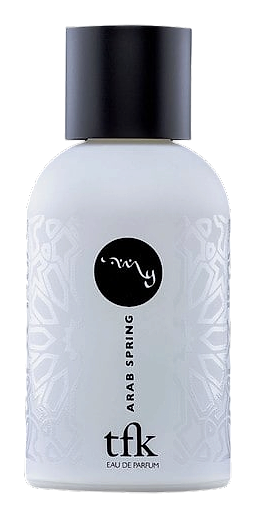
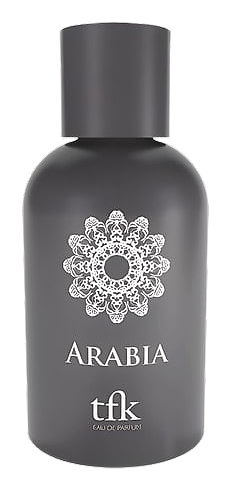
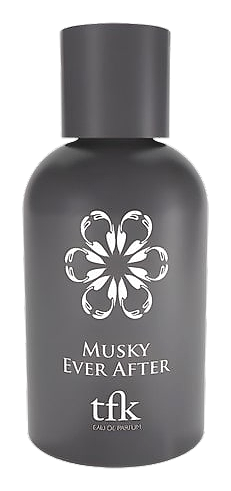
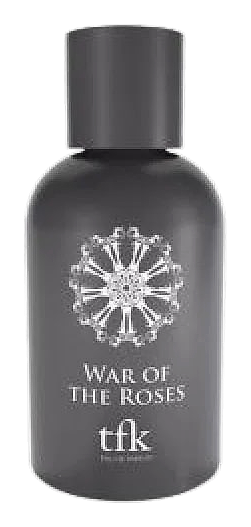
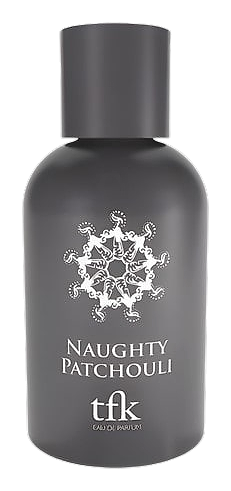
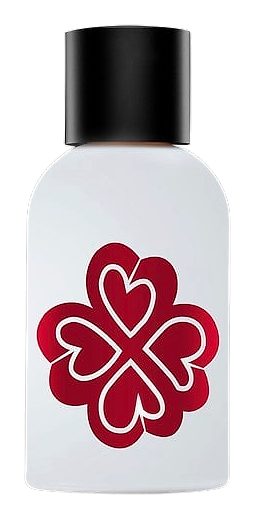
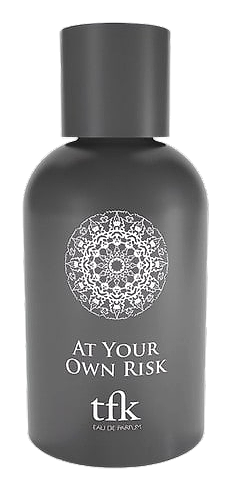
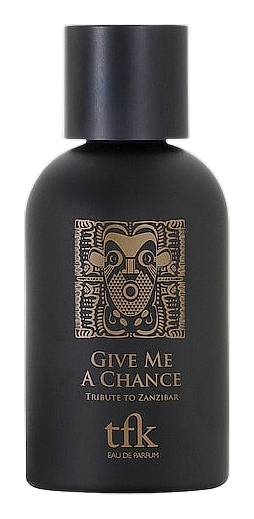
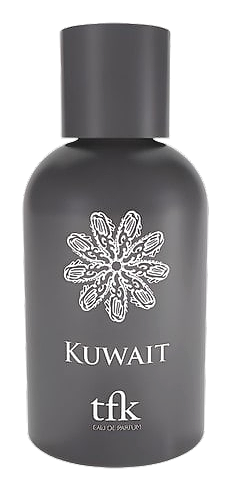
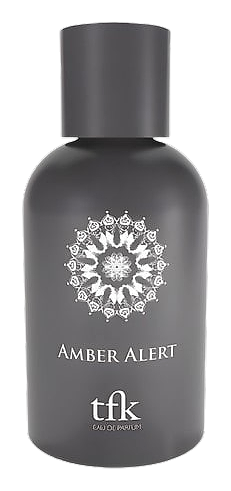
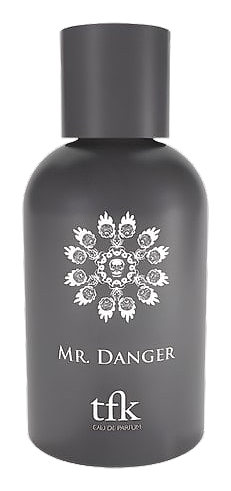
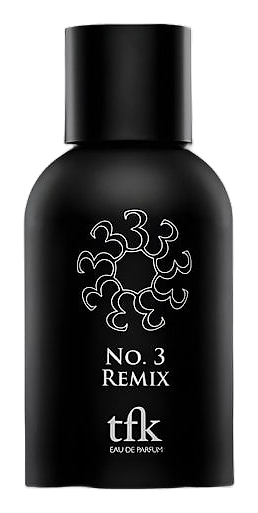
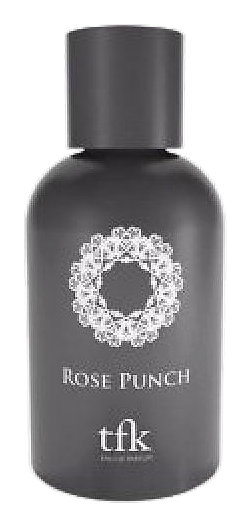
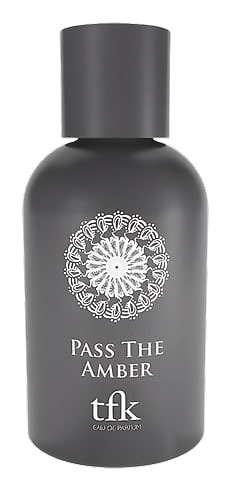
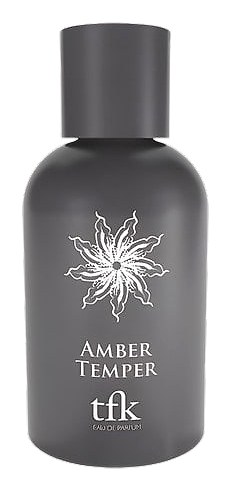
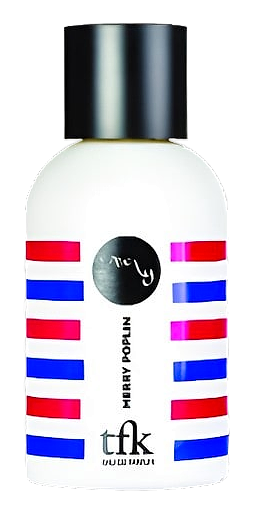
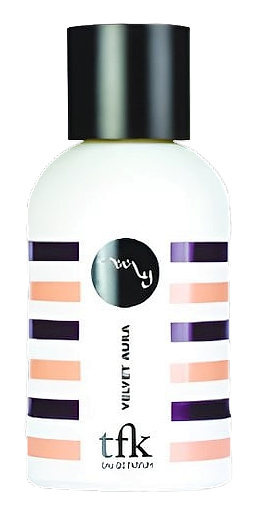
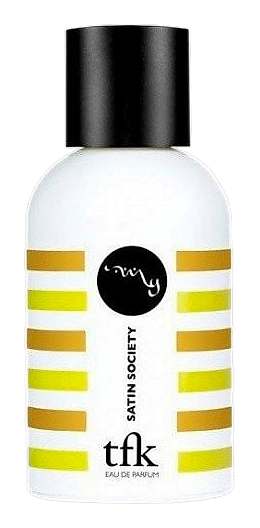
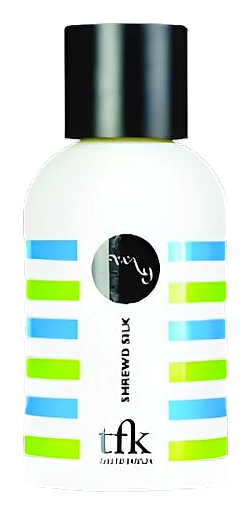
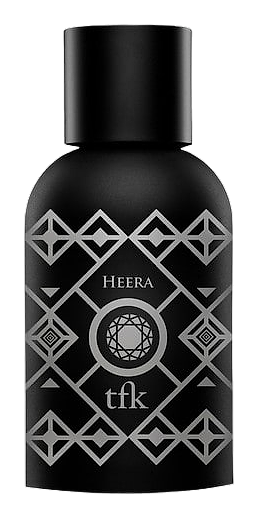
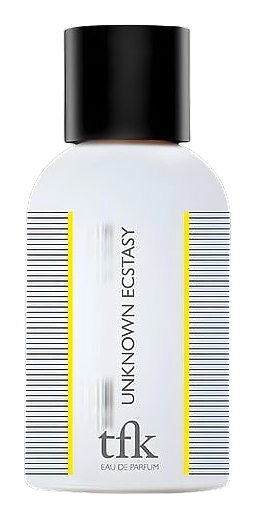
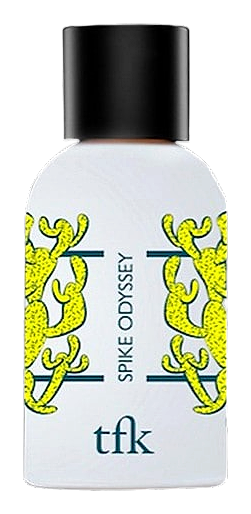
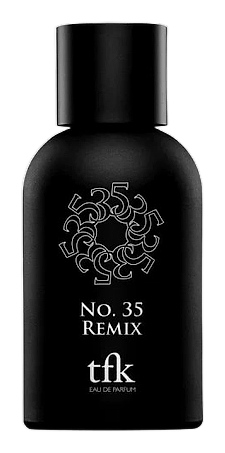
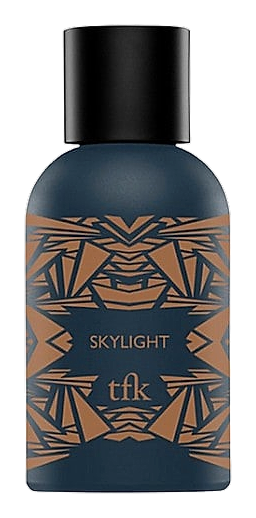
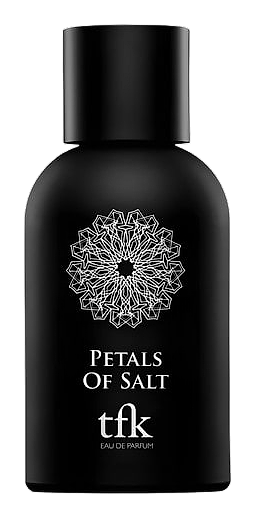
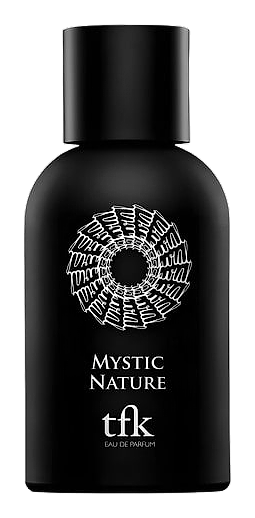
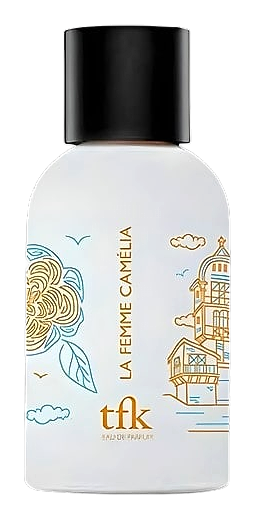
Visually, The Fragrance Kitchen presents a minimalist yet refined identity. The logo features a stylized kitchen utensil – a whisk – rendered in simple line work, hinting at the brand’s culinary metaphor. Bottles are typically clear or frosted glass with clean, geometric silhouettes; caps are often brushed metal or matte gold, providing a subtle contrast. The packaging uses muted tones – ivory, deep navy, or charcoal – accented by a single pop of color that reflects the fragrance’s key note. In retail spaces, the brand favors understated elegance: the flagship store in Al Hamra Mall, designed by Jassim Al Shehab Architects, showcases polished stone floors, soft ambient lighting, and discreet display units that allow the scents to speak for themselves. The Bergdorf Goodman boutique follows a similar approach, with custom shelving that mirrors the clean lines of the bottles and a curated scent bar where customers can explore the range. Marketing materials echo this aesthetic, employing high‑contrast photography that captures the texture of raw ingredients alongside the sleek bottle forms. Across all touchpoints, the visual language reinforces the idea that fragrance, like a well‑prepared dish, is an experience that engages the senses without unnecessary ornamentation.
Philosophy
The Fragrance Kitchen approaches perfumery as a dialogue between two worlds. Its creative vision rests on the belief that a fragrance should tell a story that is both personal and universal, drawing on the aromatic lexicon of the Gulf while speaking the language of French floral craftsmanship. The brand values authenticity, sourcing raw materials directly from traditional growers in the Middle East and from established farms in Grasse. Transparency in ingredient provenance is a core principle, and the house works with suppliers who practice sustainable harvesting. Collaboration sits at the heart of the creative process; French perfumers are invited to interpret Middle Eastern accords, resulting in compositions that feel familiar yet unexpected. The brand also emphasizes restraint – each scent is designed to unfold over time, allowing the wearer to experience a gradual evolution rather than an immediate blast. This measured approach reflects the founder’s culinary metaphor: just as a chef layers flavors, The Fragrance Kitchen layers notes, encouraging patience and appreciation for nuance. Community engagement is another pillar; the house supports regional artisans and participates in cultural events that celebrate the shared heritage of scent and hospitality.
Key Milestones
2012
The Fragrance Kitchen is founded in Kuwait by Sheikh Majed Al‑Sabah.
2013
First fragrances Teardrops and Into The Light are launched, establishing the brand’s dual‑heritage approach.
2016
A prolific year sees the release of Palm Fiction, Midnight, A Rose With A View, and The Finest Everyday.
2017
Orion is introduced, adding a celestial theme to the collection.
At a Glance
Brand profile snapshot
Origin
Kuwait
Founded
2012
Heritage
14
Years active
Collection
5
Fragrances released
Avg Rating
4.0
Community sentiment
Release Rhythm


