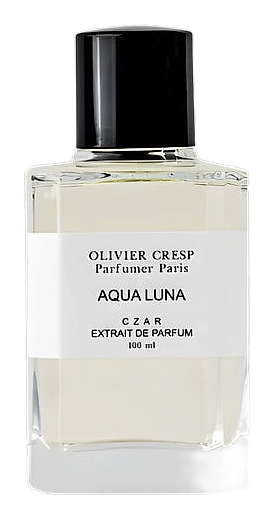
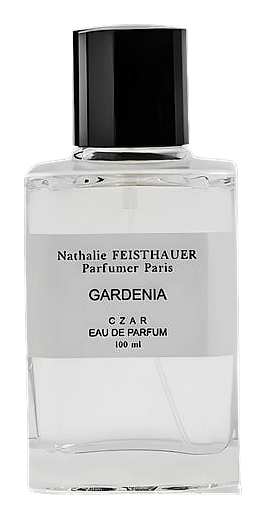
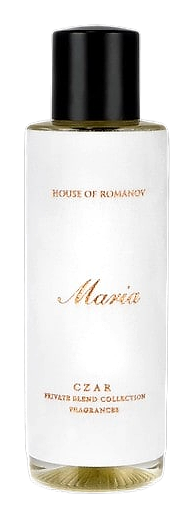
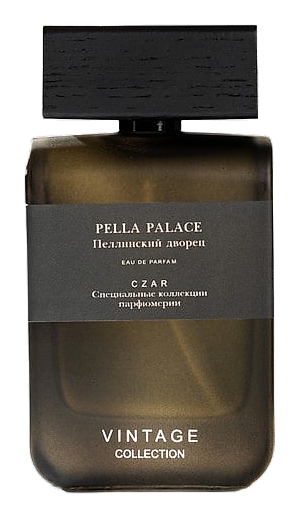
Heritage
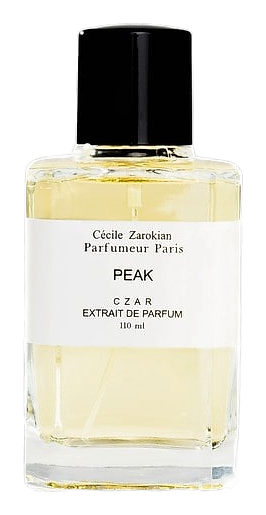
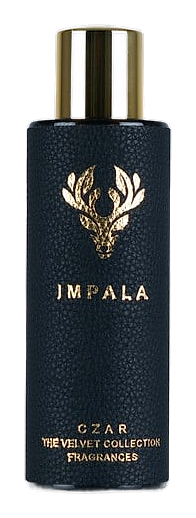
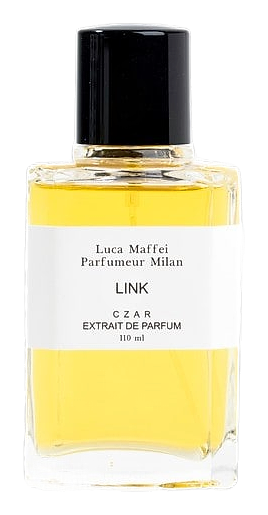
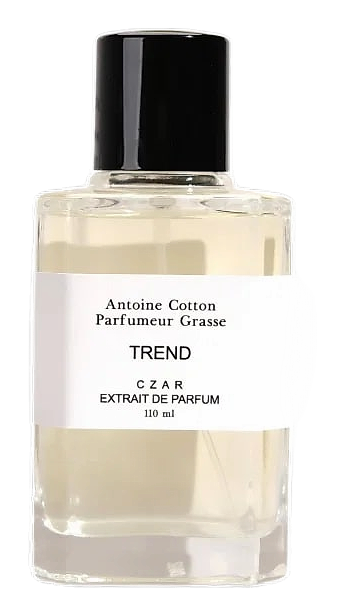
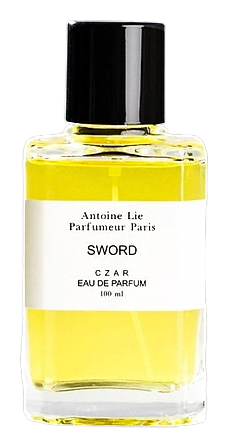
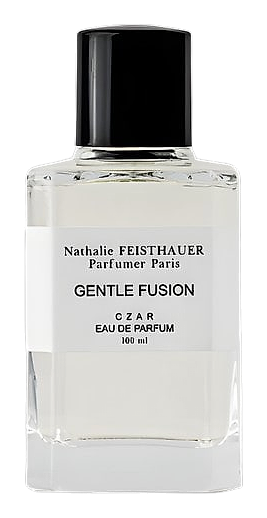
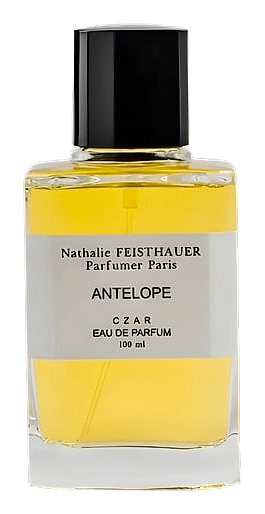
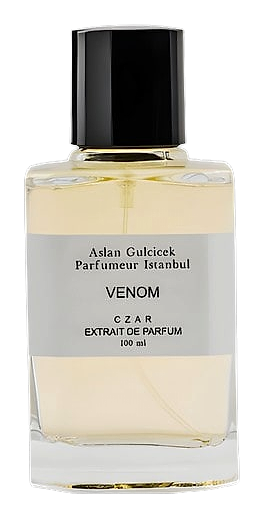
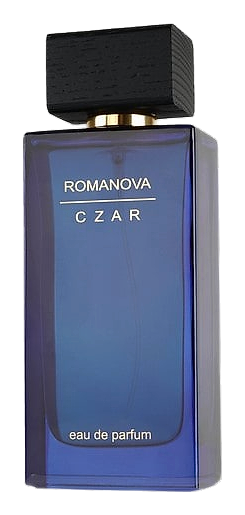
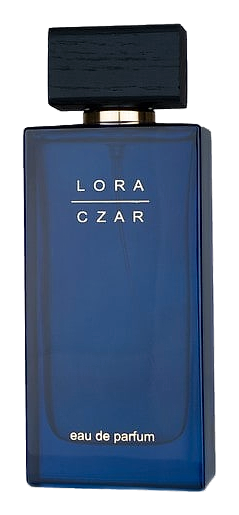
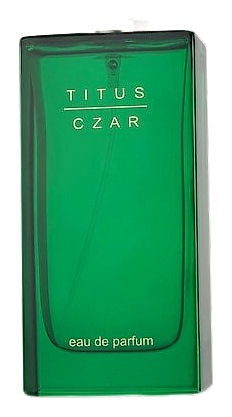
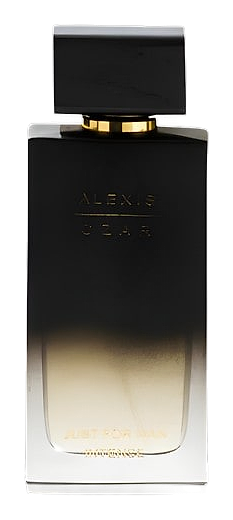
A house, in its own words
The founders, Ahmad Al Heid and Abdulwahab Al Senan, opened CZAR Fragrances in Kuwait City after years of observing the gap between Middle Eastern perfume traditions and contemporary niche perfumery. Their first public release arrived in late 2018 and featured a collaboration with Turkish perfumer Aslan Gülçiçek, a partnership that set the tone for the brand’s collaborative model. In 2019 the house introduced its first solo creation, a scent that blended oud with citrus, signaling a willingness to experiment beyond classic Arabian accords. By 2020 CZAR secured distribution through boutique retailers in Europe and the United States, allowing the brand to reach a broader audience while maintaining its limited‑run philosophy. The following year saw the debut of Antelope, a partnership with Nathalie Feisthauer that earned praise for its nuanced animalic heart and sparked a series of collaborations with the French perfumer. 2022 marked a visual shift as the brand unveiled a new bottle line designed by a Kuwaiti graphic studio, emphasizing clean lines and matte black caps. In 2023 CZAR released Hijri, a fragrance inspired by Abbasid history, further cementing its reputation for storytelling through scent. The 2024 launch of Pella Palace, created with Marzia Tissino, introduced a floral‑rich composition that contrasted with earlier animalic offerings, demonstrating the house’s expanding olfactory palette. Throughout its six‑year journey, CZAR has remained independent, funding each project through direct sales and reinvestment, a strategy that has allowed it to retain creative control while building a loyal following among niche enthusiasts. CZAR approaches perfumery as a dialogue between place and person. The founders believe that a scent should act as a portable memory, capturing a moment, a story or a cultural reference. To achieve this, they invite perfumers from diverse backgrounds to co‑create, ensuring each bottle reflects a distinct voice rather than a single house signature. The brand values transparency in ingredient sourcing, preferring raw materials that can be traced to their origin, whether that be Mysore sandalwood or French labdanum. Sustainability informs their decisions, prompting the use of recycled glass for many bottles and encouraging refill programs in select markets. CZAR also emphasizes education; the company publishes detailed scent notes and inspiration essays on its website, inviting consumers to engage with the creative process. By treating each release as a curated exhibition, the house aims to foster a community that respects both the art and the craft of perfume.