The Story
Why it exists.
The beginning
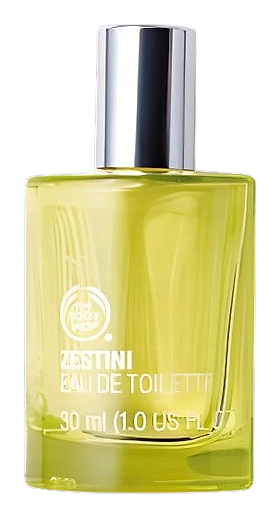
Zestini arrived in 2007 as part of The Body Shop's fragrance collection, conceived with the ambition of creating a citrus scent that felt genuinely alive rather than flat or one-dimensional. The perfumer approached the brief by focusing on bright, true-to-fruit citrus notes that capture the tartness and vibrancy of fresh citrus. The name itself, Zestini, nods to the ingredient that anchors the entire composition, that bright, essential oil found in the peel of citrus fruit that carries both the fruit's sweetness and its characteristic bitterness. From the first spray, there's an immediate burst of clean, sharp citrus that feels natural and unforced, the kind of brightness that evokes sunlight and freshness without tipping into imitation.
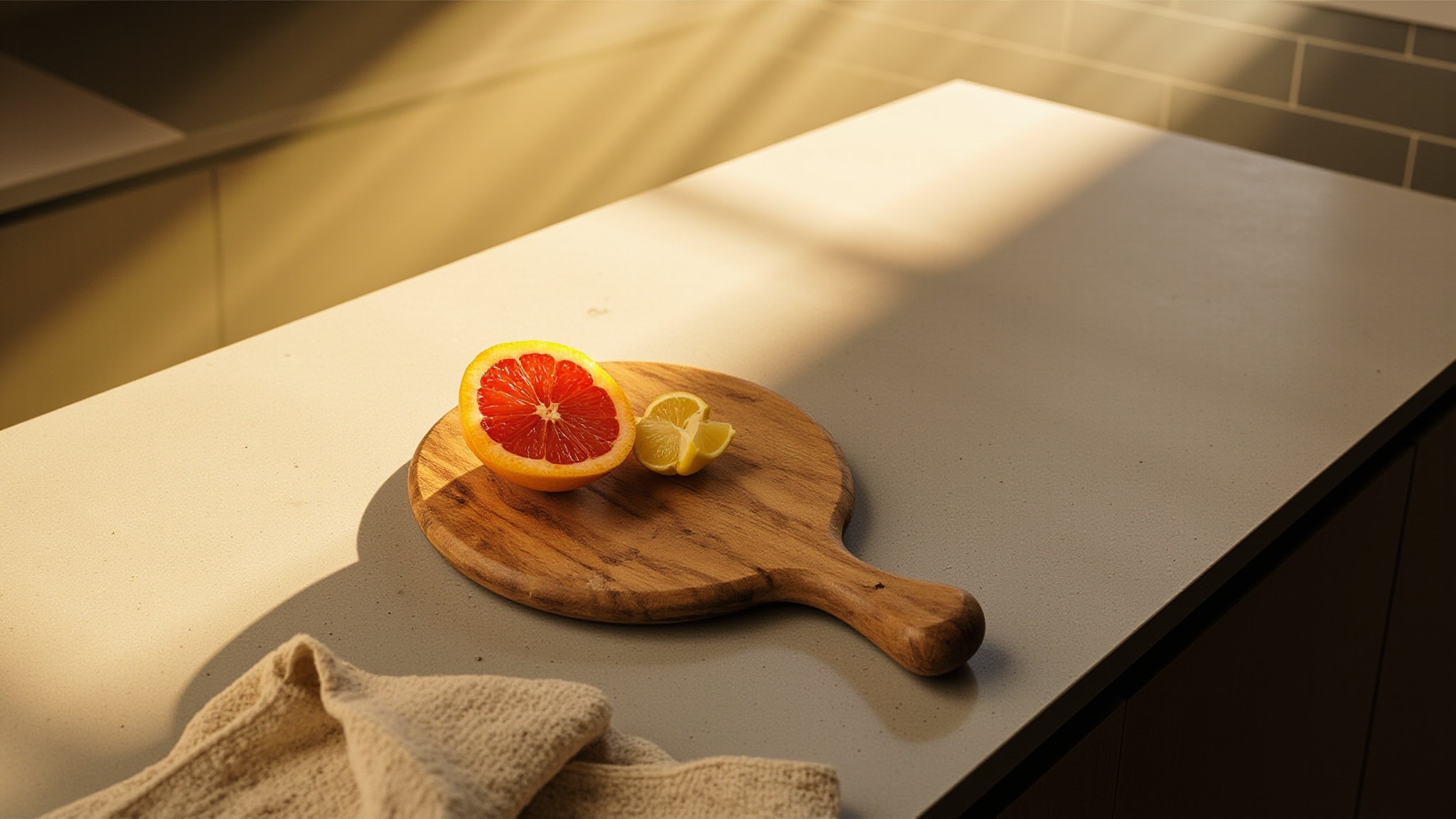
The pyramid is unapologetically classical: bright citrus top, soft floral heart, woody base. Nothing revolutionary in structure. What sets Zestini apart is the quality of the opening, grapefruit that actually smells like the fruit, not a laboratory approximation. Peach and bitter orange give the top notes both sweetness and edge, so the citrus doesn't read as cleaning product or hand soap. The heart is where most mass-market citrus fragrances lose their way, but jasmine and freesia here are used to soften rather than sweeten, and peony adds just enough body to bridge into the drydown without competing with it.
The evolution
The opening hits immediately, grapefruit and lemon cut through with an almost physical brightness. You smell it initially as a single, unified citrus burst that feels true to the fruit rather than constructed. Then the heart begins its work. Jasmine emerges first, slightly sweet against the still-present citrus, and freesia adds a clean floral note that keeps things from getting too heavy. Peony is the quiet connector here, present but not insistent. As the fragrance progresses, the base takes over. Musk closest to the skin, warm and slightly powdery. Teakwood adds a woody depth that prevents the drydown from going flat. Sandalwood lingers longest, that creamy, slightly milky wood that stays detectable as the scent settles into its final phase. The evolution isn't dramatic. It's a smooth hand-off from bright to soft to warm, with no awkward middle phase.
Cultural impact
Zestini offers a citrus fragrance designed for daily wear that moves beyond generic freshness into something with more intentional character. It sits within the fresh-citrus category but distinguishes itself through the way it builds on that citrus foundation rather than simply cycling through it. The sillage is modest, present enough to be noticed by those nearby, but not overwhelming for the wearer or their surroundings. This makes it a practical choice for professional environments or anyone who prefers fragrance to remain a personal rather than room-filling experience.