
The Story
Why it exists.
The beginning
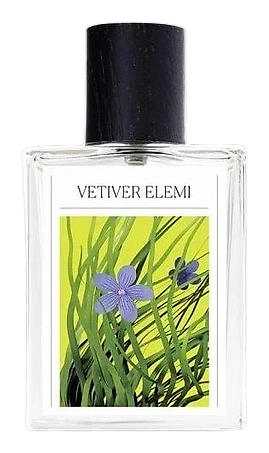
Vetiver Elemi arrived in 2018 as a deliberate pairing of two aromatic identities: Haitian vetiver, prized for its smoky, rooty depth, and elemi, a tropical resin with a citrus-pine brightness that few outside niche fragrance circles recognize by name. Perfumer Angela Stavrevska built this fragrance around The 7 Virtues' mission to source ethically from post-conflict communities, placing Haitian vetiver front and center as both material and metaphor. The brand's clean, cruelty-free positioning grounds every bottle in social purpose, and Vetiver Elemi carries that weight without preaching. Stavrevska's brief was straightforward: let Haiti speak.
Stavrevska's decision to open with elemi rather than the expected vetiver speaks to a philosophy of contrast: the brightest, most tropical note arrives first, creating a promise that the earth-bound root later honors. Grapefruit and bergamot amplify elemi's citrus quality, ensuring the opening reads as clean rather than resinous. The spice heart serves as a bridge, its warmth echoing the drydown to come while keeping the composition from splitting into two disconnected halves.
The evolution
Elemi launches the composition like a torch, its bright resin immediately distinguishable from standard citrus. Grapefruit sharpens the initial impact while bergamot smooths the transition. As the minutes pass, geranium arrives with its green, slightly medicinal edge, soon joined by cardamom and nutmeg in a warm, powdered embrace. Cumin adds a subtle animalic whisper that keeps the heart from smelling sterile. Rose and jasmine soften the spice matrix, allowing it to breathe before vetiver takes permanent residence in the drydown, where cedarwood and moss complete the transformation from sun-lit resin to damp earth.
Cultural impact
Vetiver Elemi, while a modern creation, draws on a deep well of cultural significance that stretches across continents and centuries. The use of vetiver roots harks back to ancient Indian traditions where the plant was prized for its grounding aroma and used in ceremonial incense, symbolizing stability and connection to the earth. Elemi resin, sourced from the tropical forests of the Philippines, carries a legacy of maritime trade, having been a valuable commodity exchanged between Asian and European merchants during the age of exploration, often associated with luxury and exoticism.