
The Story
Why it exists.
The beginning
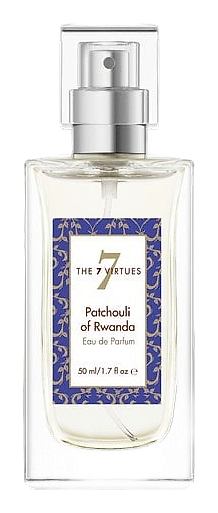
Barb Stegemann built The 7 Virtues around a single conviction: that perfume could fund rebuilding in places that had known conflict. Rwanda became the frame for this fragrance, named for a country working toward something hard-won. Susanne Lang composed Patchouli of Rwanda in 2014, released on United Nations Peace Day, a date that made the naming feel like a promise, not decoration. The gesture carried weight in perfumery, where place names are often borrowed without consequence. Here, Rwanda earned the name.
The citrus-woody structure is familiar enough territory in post-2010 perfumery, but the Rwandan patchouli base sets this apart. Where Indonesian patchouli tends toward chocolate and density, Rwandan patchouli leans lighter and more floral, less earth-in-a-bottle, more earth-after-rain. Combined with hibiscus in the base, the drydown stays clean and lifted rather than heavy and brooding. Cardamom adds a brief spice that cools rather than warms, keeping the composition from tipping into sweetness. The result is a patchouli that earns its name without the associations that name sometimes carries.
The evolution
The opening hits bright and sharp. Blood grapefruit, bergamot, and lemon arrive almost bitter, the rind, not the fruit. Within minutes the herbs kick in and sharpen the green, cutting the initial sweetness before it settles. Cedar and juniperberry take over from the citrus, with juniper adding a pine-bitter edge that balances the sweetness. After an hour, the citrus has gone and what remains is dry cedar, Rwandan patchouli, and a flicker of hibiscus underneath. Earthy, not heavy. Woodsy, not dessert. The sillage stays moderate throughout, close to the skin, not filling a room, with a quiet musk holding underneath. By the end of a workday, patchouli and cedar have settled into something clean and personal. The citrus is gone. The musky drydown still hums beneath. The drydown earns its length, patchouli and cedar hold through hour eight while musk hums underneath. What began as sharp citrus has become something quiet, grounded, and personal.
Cultural impact
Patchouli of Rwanda arrived in 2014 with a naming strategy that went beyond branding, attaching the country's name to a fragrance meant standing behind it. The Rwanda connection gave the brand's social mission a specific face rather than an abstract one, and the 2014 UN Peace Day release date made that intent deliberate.