
The Story
Why it exists.
The beginning
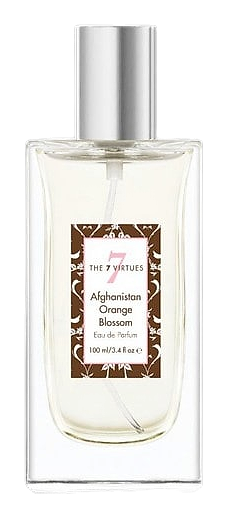
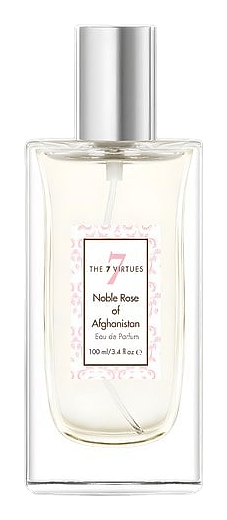
Susanne Lang created Noble Rose of Afghanistan in 2010 with a single conviction: the rose could be more than decorative. The ingredient sourcing aligned with The 7 Virtues' broader social mission, organic roses from Afghanistan, a country rebuilding after decades of conflict. Lang wasn't interested in a gentle floral. She wanted something that carried weight, that smelled like resilience rather than romance. The result is a fragrance named for a place and the women who stayed there. It's rose as declaration, not ornament.
The note architecture is unusually structured for a rose fragrance. Instead of building from soft to softer, Lang introduced spice as a counterweight, carnation and clove acting as structural challenge to the florals rather than a supporting cast. Pink pepper adds lift without sweetness. The tamboti wood base is unusual in commercial perfumery, providing a dry, woody anchor that prevents the composition from becoming overly warm. It's the kind of pyramid where every layer argues with the one above it, and that tension is exactly the point.
The evolution
The opening hits bright and citrussy, bergamot and Sicilian lemon asserting themselves immediately. Within minutes, the florals arrive all at once, gardenia, peony, freesia, geranium, rose otto in quick succession. It's a dense, confident heart. The sillage is moderate at first, then settles. By the second hour, the carnation and clove take over, the florals recede, and what lingers is warm, spiced, woody. The pink pepper softens to a whisper. On fabric, it lasts into the next day, a faint warmth, the ghost of something that refused to leave quietly.
Cultural impact
Noble Rose of Afghanistan arrived in 2010 with a direct challenge to convention: a rose fragrance positioned as bold and unapologetic rather than soft and romantic. Early press noted The 7 Virtues' unusual stance, formulating clean before clean was a marketing term, and the brand's commitment to ethical sourcing set it apart in a market where social mission was rarely part of the fragrance conversation. The scent itself has since attracted wearers who want florals that assert rather than invite.