Tamboti Wood
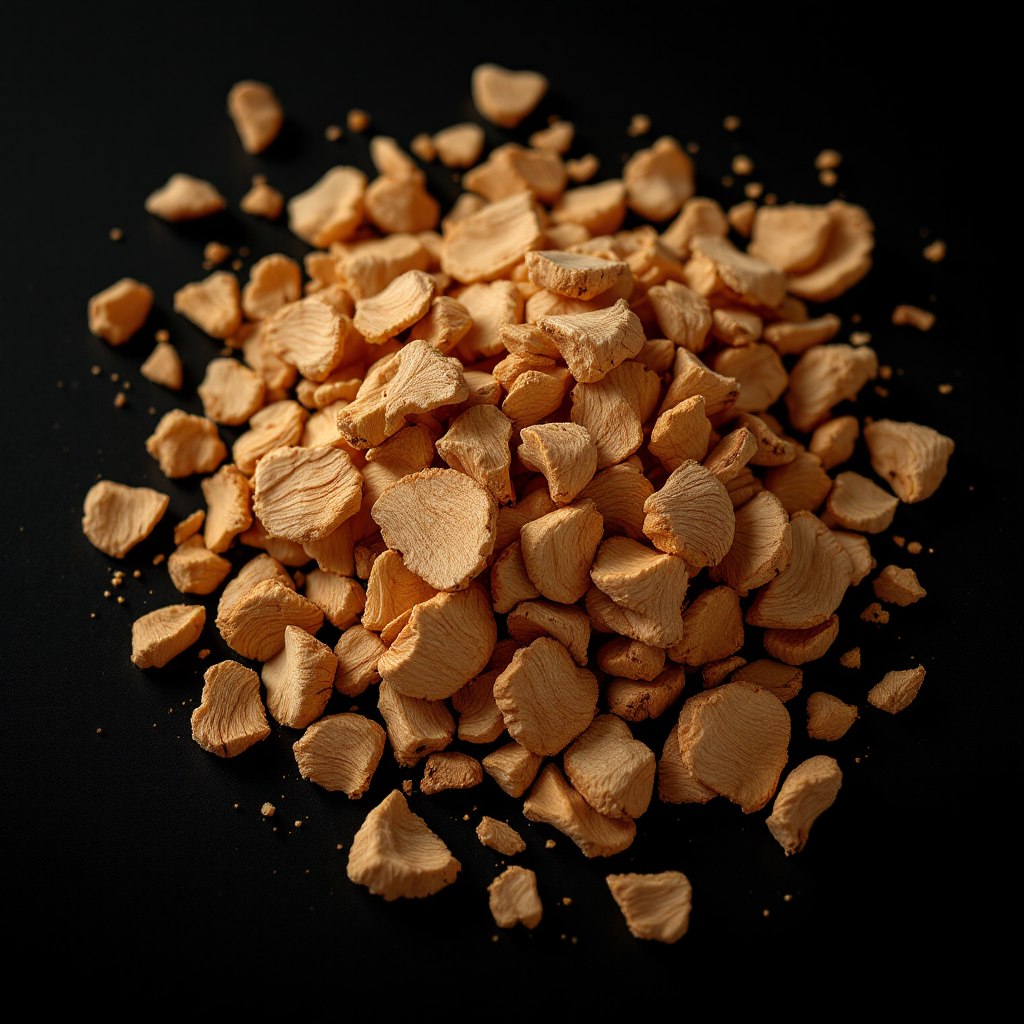
Tamboti Wood, harvested from the stately Spirostachys africana tree across southern Africa's mopane woodlands, carries a warm, subtly sweet aroma that has enchanted perfumers and traditional healers alike for centuries. This prized African hardwood offers complex woody facets with gentle balsamic undertones.
Character
How it smells
Warm African hardwood with sweet, balsamic character.
Tamboti trees produce a toxic milky latex that was traditionally used to poison arrows for hunting, yet the beautifully scented wood remains perfectly safe for perfumery use.




Origin
South Africa
Tamboti holds deep cultural significance across southern Africa, where it has been used for millennia in traditional medicine, ritual ceremonies, and as a fragrant burning incense. The Zulu, Shona, and other indigenous peoples valued the wood for its protective properties, often placing Tamboti branches at the entrances of dwellings to ward off evil spirits. Colonial-era naturalists first documented the species in the early 1800s, noting its remarkable aromatic qualities.
Today, the tree grows primarily in protected areas of South Africa, Zimbabwe, and Mozambique, where sustainable harvesting practices are increasingly important as wild populations face pressure from habitat loss and overharvesting. The wood's historical use in African perfumery traditions predates modern Western fragrance industry interest by centuries.
Wears it best
Fragrances featuring Tamboti Wood
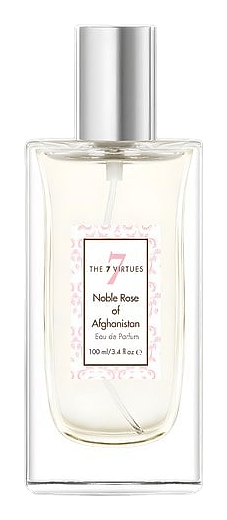
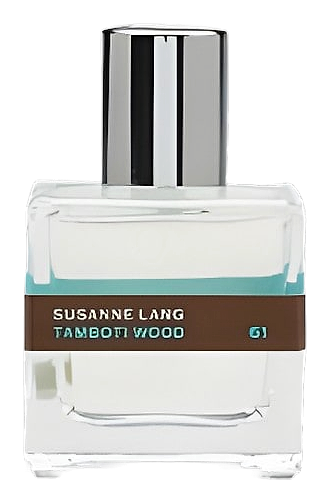

Brands
Brands known for Tamboti Wood
Good to know
Questions, answered
The essentials on Tamboti Wood in perfumery: how it smells, where it comes from, and how it behaves on skin.
What does Tamboti Wood smell like?
Tamboti Wood offers a warm, sweet, woody aroma with balsamic undertones. The scent profile resembles sandalwood but carries distinctive African character with subtle medicinal and resinous facets.
Is Tamboti Wood a sustainable ingredient?
Tamboti is a protected species in South Africa due to overharvesting concerns. Sustainable sourcing requires harvesting from fallen wood or certified plantations rather than wild populations.
How is Tamboti Wood oil extracted?
Producers extract the essential oil through steam distillation of heartwood shavings. This method preserves the wood's delicate aromatic compounds without harsh chemical alteration.
What perfumes feature Tamboti Wood?
Tamboti appears in niche African-inspired fragrances and artisan perfumes seeking authentic regional ingredients. It often features in base note compositions for its warm, long-lasting character.
Is Tamboti Wood related to sandalwood?
Tamboti is sometimes called African sandalwood due to similar scent profiles, but it comes from an entirely different botanical family. The comparison reflects their shared warm, woody characteristics.
What traditional uses does Tamboti Wood have?
Southern African cultures burned Tamboti wood as incense in ceremonies, used it in traditional medicine, and placed branches at dwelling entrances for protective purposes.
Does Tamboti Wood contain any toxic compounds?
The living tree produces toxic milky latex, but this compound does not transfer to the heartwood used in perfumery. The processed essential oil is safe for aromatic use.
Where does Tamboti Wood grow naturally?
Tamboti trees grow across southern Africa's mopane woodland regions, with primary populations in South Africa, Zimbabwe, and Mozambique, typically near riverbanks and lowland areas.