
The Story
Why it exists.
The beginning
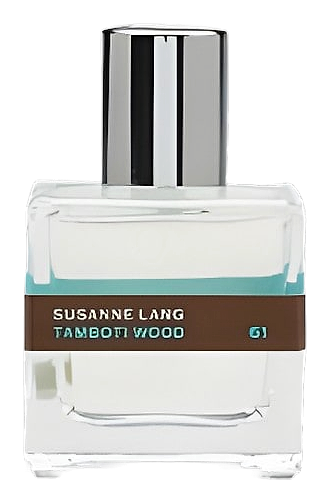
Tamboti Wood takes its name from a tree that grows across southern Africa, a species prized not just for its grain but for the scent it releases when carved, sanded, or simply left to warm in sunlight. The tree carries different connotations depending on where you're standing. Sacred in some traditions. Familiar in others. The fragrance holds both without choosing either, letting the material speak for itself rather than forcing it into a predetermined narrative. There's an inherent warmth to the wood that comes through in the composition, a quality that feels earned rather than manufactured, the kind of scent that seems to have always existed rather than having been invented.
What makes the composition unusual is the balance at the heart of it. Cedar typically dominates in woody fragrances, it's assertive, astringent, immediately recognizable. Here, it's present but never aggressive. The vetiver functions differently than it does in most fragrances built around it: less about earthiness and more about creating a green current that keeps the woods from settling into something static. Sandalwood does the quiet work of binding everything together, adding warmth without sweetness. The result is a woody that breathes rather than projects, a fragrance that rewards proximity over distance.
The evolution
The first minutes belong to vetiver. Green, slightly mineral, the scent of roots pulled from rich soil. Cedar arrives next, aromatic, clean, with a faint whorl of something that reads as sap rather than sawdust. The transition isn't dramatic. One fades as the other rises, like a conversation where one voice steps back without leaving. By the second hour, the woods have fully established themselves. Virginia cedar is still present but has softened, its edges rounded. Sandalwood has moved into the foreground, bringing a creaminess that keeps the whole composition from going dry. The drydown, the part that matters most, is where tamboti reveals itself. Warm, resinous, faintly sweet in the way old wood becomes sweet. Not loud. Not projecting. But present, lingering on skin in a way that feels natural rather than forced, a gentle reminder that some materials simply last.
Cultural impact
Tamboti Wood occupies a quiet corner of independent perfumery, appealing to those who seek compositions that value character over convention. The woody-green character sits comfortably between masculine and feminine convention, and the sillage invites closer encounters rather than announcing itself across a room. For wearers who've learned to value resonance over reach, this is one of the more honest compositions in its category. It doesn't perform for an audience. It simply is.