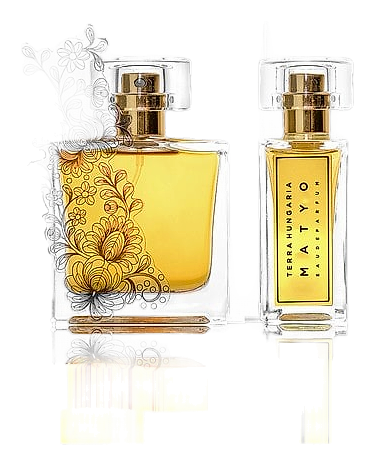
The Story
Why it exists.
The beginning
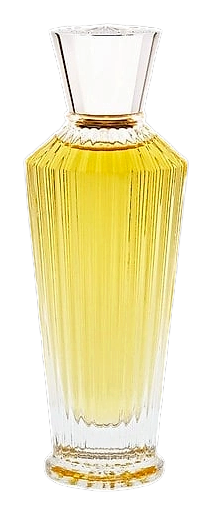
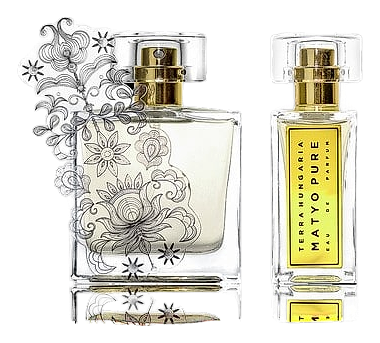
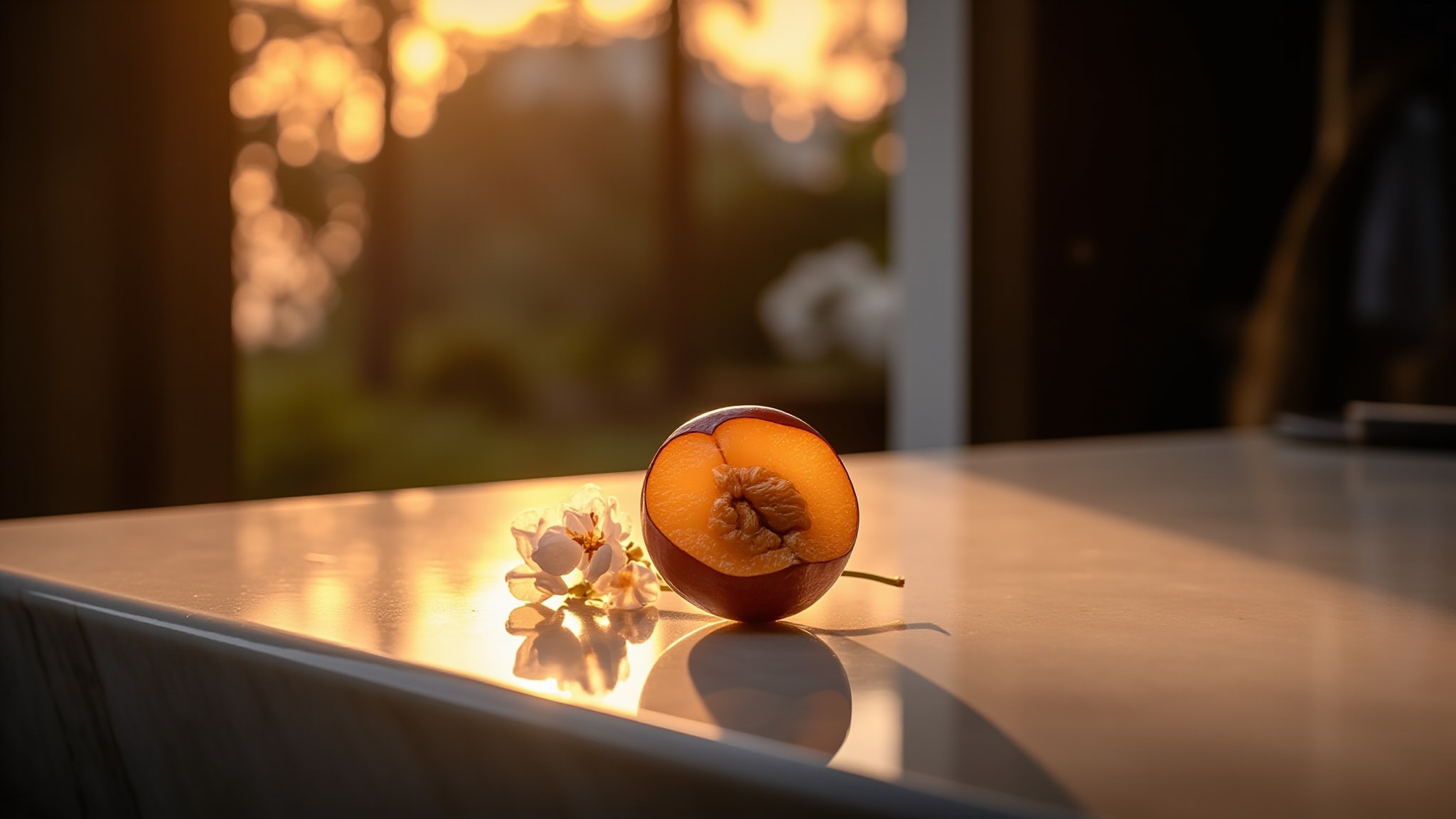
Matyo was created by Hungarian perfumer Csaba Bálint. The available records don't confirm a formal naming brief or Bálint's stated intent, so the fragrance speaks for itself through its composition. Juicy plum, sweet orange, rhubarb, neroli, and pear establish a bright, fruitful character. They meet a floral heart where tuberose, gardenia, orange blossom, jasmine, peony, tulip, iris, clove, beeswax, and garlic create something both lush and unruly. The fruit notes lend roundness and freshness, while orange and neroli add brightness. Rhubarb introduces a tart edge, and the floral materials build a dense bouquet around it. Beeswax gives the flowers a honeyed weight, while clove and garlic contribute pungent contrast.
The unusual part is the friction inside that floral composition. Rhubarb brings a tart, almost savory edge, while beeswax absolute gives the white florals a honeyed density. Tuberose carries an indolic animalic depth, and garlic adds a green, pungent note that keeps the composition from becoming merely pretty. Gardenia and orange blossom contribute lush white petals, jasmine adds a clean floral brightness, and peony, tulip, and iris soften the bouquet with rounded floral facets. Clove deepens the spice beside them.
The evolution
The composition opens with appetite. Plum and pear bring rounded sweetness, while sweet orange, neroli, and rhubarb keep the fruit from becoming syrupy. Citrus brightness gives the impression of freshness, while rhubarb adds a tart, green edge. Floral notes then become increasingly prominent. Tuberose, gardenia, orange blossom, jasmine, peony, tulip, and iris gather into a lush white bouquet, sharpened by clove and the savory flicker of garlic. Beeswax is the key material, giving the flowers honeyed weight and a waxy glow. The fruits remain present against this fuller floral impression, creating a vivid contrast between juicy sweetness and dense petals. Sandalwood contributes smooth warmth beneath the bouquet, while labdanum, benzoin, and resinous notes add deeper amber-like and resinous facets. Vanilla introduces a soft sweetness, and white musk lends a clean, intimate finish.
Cultural impact
Matyo is a fragrance from Terra Hungaria, created by Hungarian perfumer Csaba Bálint. Its composition draws together vivid fruit, dense white florals, beeswax, clove, garlic, sandalwood, labdanum, benzoin, vanilla, white musk, and resinous notes. The contrast between juicy plum, pear, orange, and rhubarb and the fuller floral materials gives the scent a distinctive character. Beeswax adds honeyed weight to the petals, while garlic and clove introduce savory and pungent edges. For wearers drawn to unvarnished flowers, ripe fruit, and striking material contrasts, Matyo offers a composition rich enough to explore from several angles.
The House
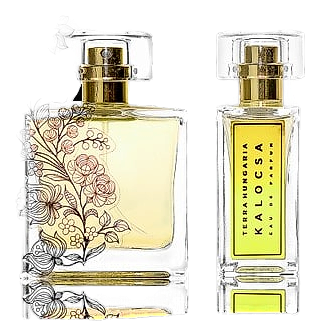
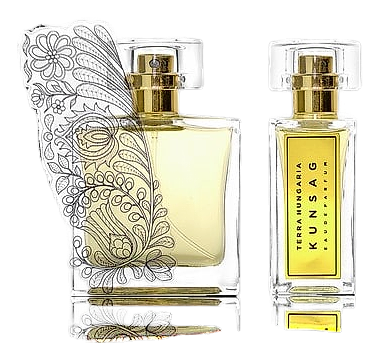
Terra HungariaTerra Hungaria is a Hungarian niche fragrance house with a focused catalogue of natural-material scents, including Kunsag, Matyo, Kalocsa, and Matyo Pure, all associated with 2010. Its work sits between perfumery, essential oils, and the sensory culture of Hungary. Fragrance guides describe the house as functional fragrance made with natural ingredients and connect its compositions to essential oils, while individual scent commentary notes that Kunsag draws direct inspiration from established fragrances including Jean Paul Gaultier Divine and Louis Vuitton scents. The house presents fragrance as something intimate and wearable, a sensory layer that becomes part of personal style rather than a separate decorative object.
The Creator
Csaba BálintCsaba favors a linear construction that lets each note speak before the next arrives. He often begins with a crisp citrus or green top, then introduces a heart of floral or aromatic herbs, and grounds the piece with a subtle woody or resinous base.