Heritage
A house, in its own words
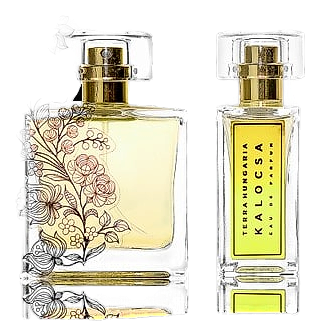
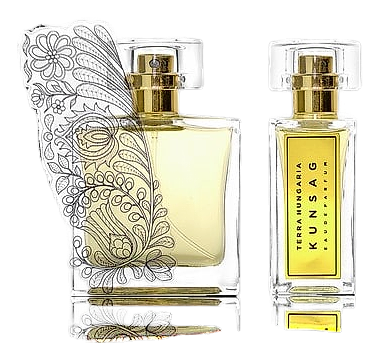
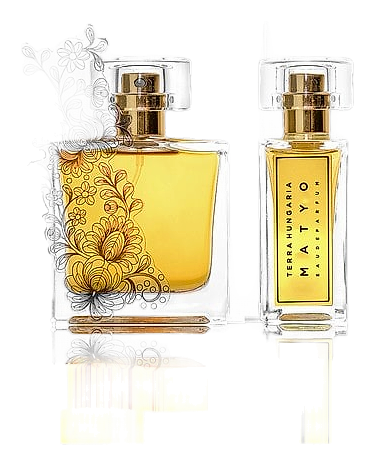
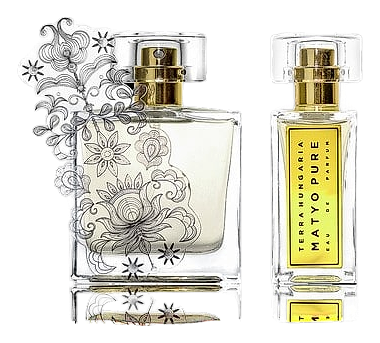
Terra Hungaria appears to have developed as a distinctly Hungarian fragrance project, with its name joining the landscape and cultural identity of Hungary to its interest in botanical materials. The available record does not reliably identify a founder, the exact founding date, or an early corporate history, so those details remain uncertain. What is clear is the house's connection to essential oils and a desire to place fragrance within the natural fabric of everyday life. This idea appears in commentary on Terra Hungaria perfume, which describes the fragrance as becoming part of clothing and emphasizes the use of essential oils. The catalogue's concentration on Kunsag, Matyo, Kalocsa, and Matyo Pure gives the brand a coherent early identity built around aromatic materials and Hungarian references. Kunsag, for example, received commentary noting that its creation was inspired by other fragrances, including Jean Paul Gaultier Divine and certain Louis Vuitton scents. Such references position Terra Hungaria within modern niche perfumery, but they do not establish a direct institutional partnership with either brand. The house was later included in a published list of niche perfume houses to watch in 2020, extending the reach of an initially small, Hungary-centred catalogue. Because the founding story is not consistently documented across the available independent sources, Terra Hungaria's history is best understood through its early scent portfolio, its essential-oil approach, and its sustained emphasis on natural ingredients. Terra Hungaria's creative vision is rooted in the idea that fragrance should feel integrated into the wearer and their clothing. Published commentary on the house describes this as a functional fragrance concept made with natural ingredients, with botanical essential oils serving as the starting point for the olfactory experience. The wording is simple, but it gives the brand a recognisable position within niche perfumery: scent is treated as part of daily ritual, personal atmosphere, and style. The name also points toward Hungary, making the national context central to the brand's identity without requiring every composition to reproduce a literal landscape. Its early portfolio, including Kunsag, Matyo, Kalocsa, and Matyo Pure, explores this relationship through scent rather than overt storytelling. Review commentary on Kunsag also reveals a reference-driven creative process, with recognizable inspirations from Jean Paul Gaultier Divine and Louis Vuitton fragrances. That approach suggests Terra Hungaria works by studying the broader fragrance language while constructing compositions with its own essential-oil foundation. The brand's functional framing is notable because it shifts attention away from fragrance as occasional adornment. A Terra Hungaria scent is presented as something to live with, wear, and experience as part of the body. The result is a concise brand philosophy built around natural materials, wearable intimacy, and the sensory character of Hungarian perfumery.