

Heritage
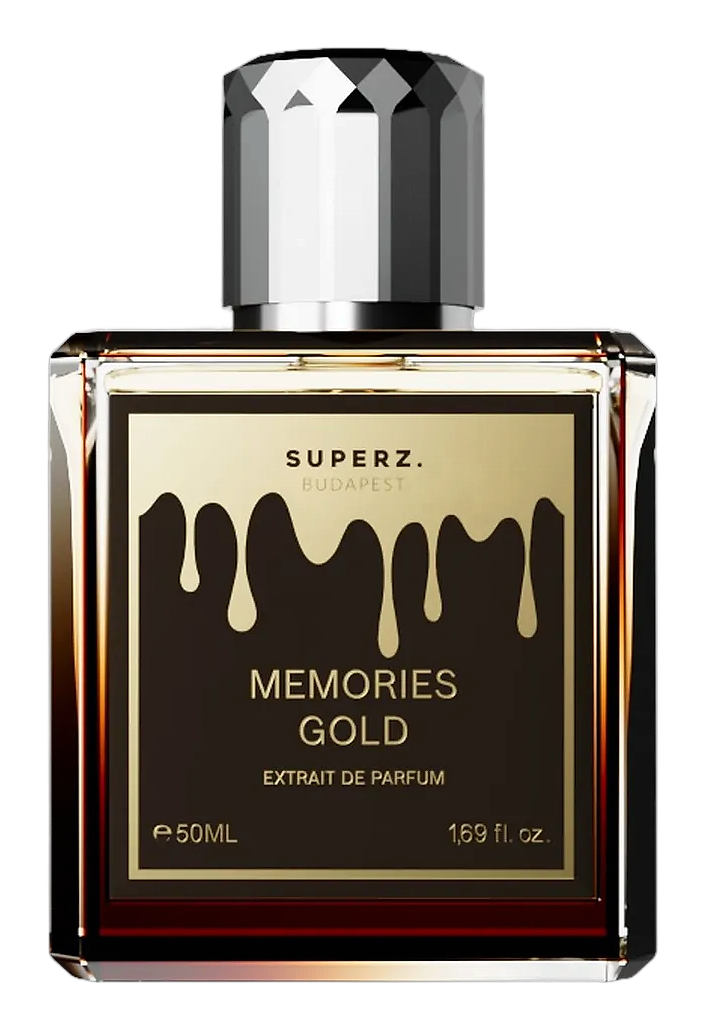
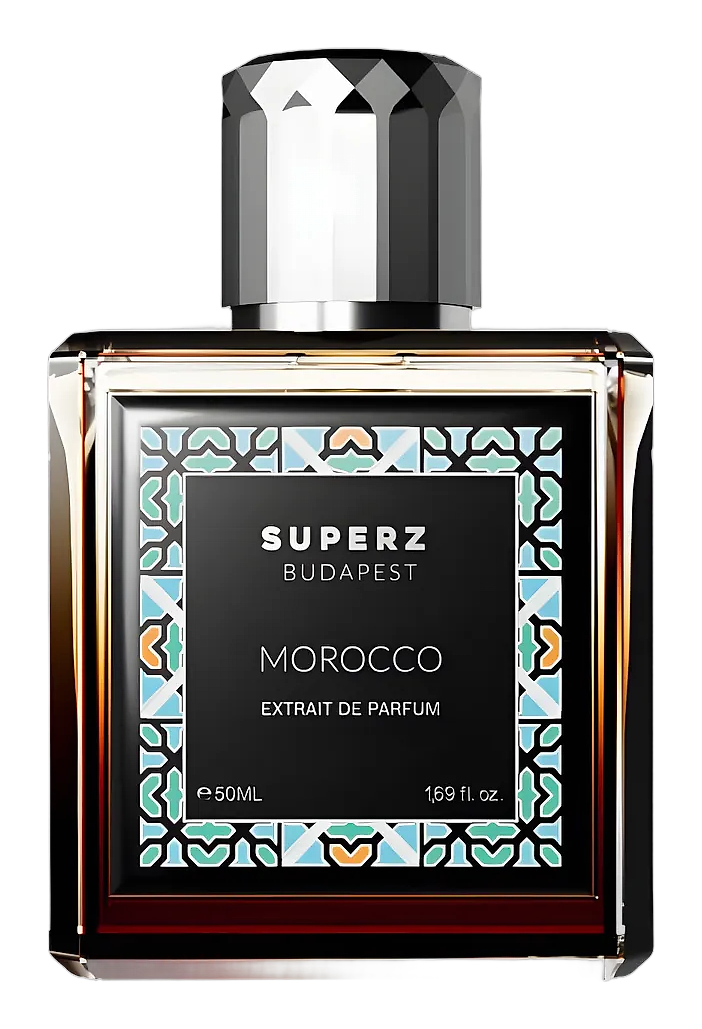
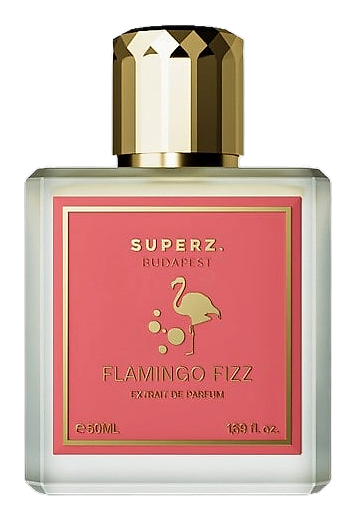
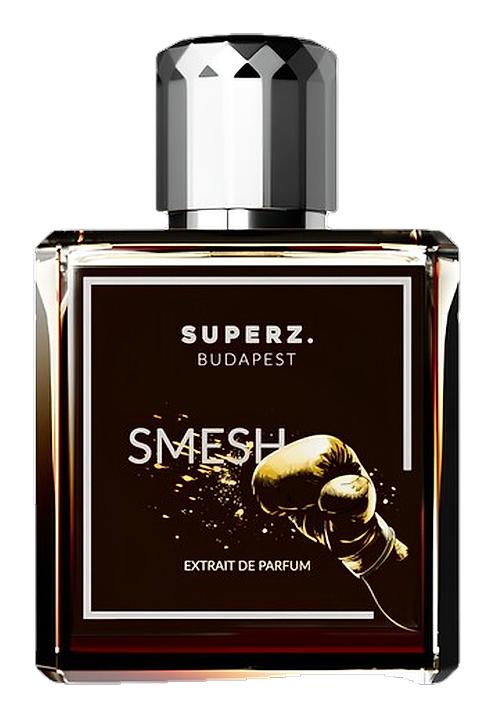
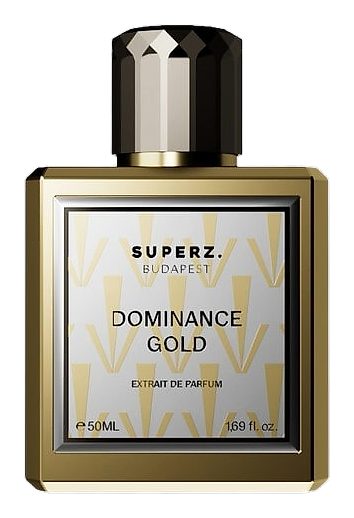
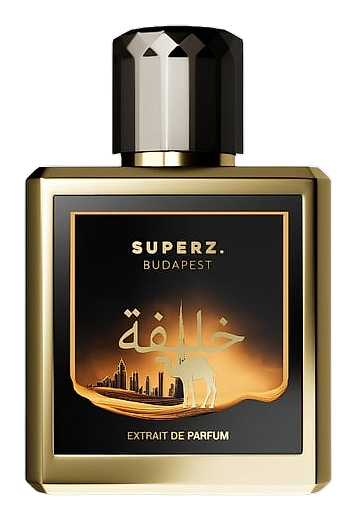
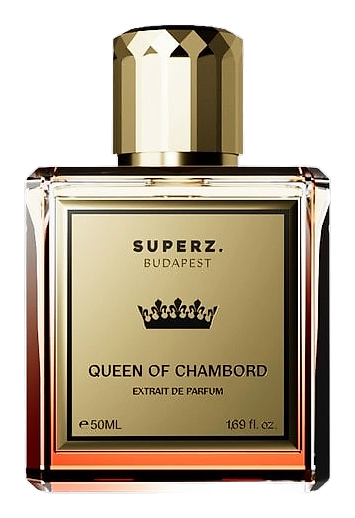
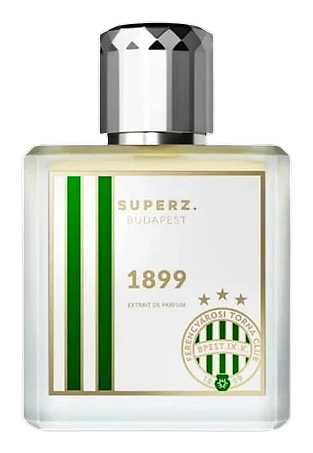
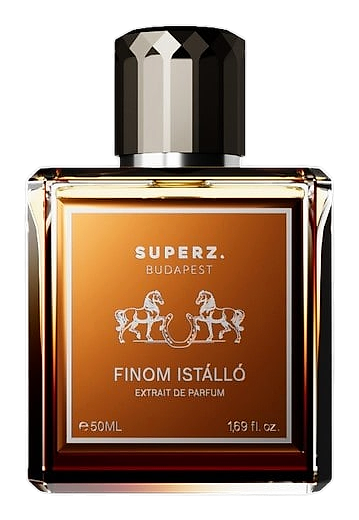
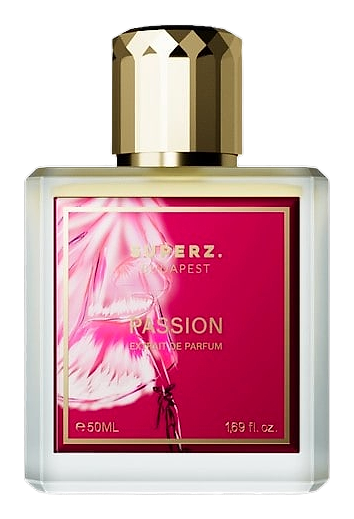
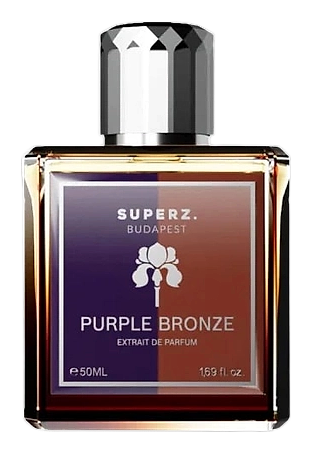
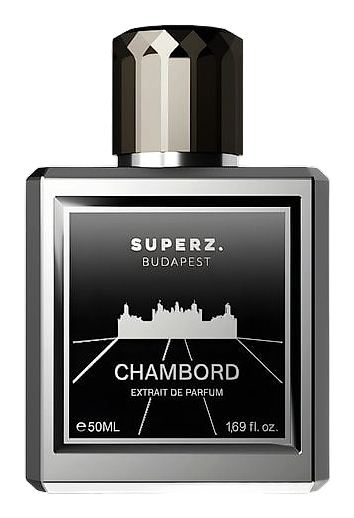
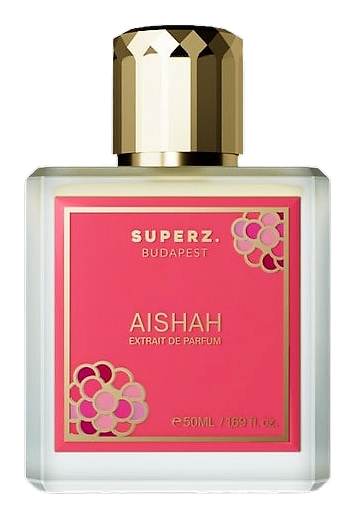
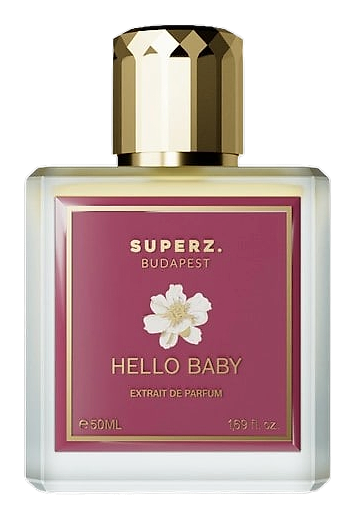
A house, in its own words
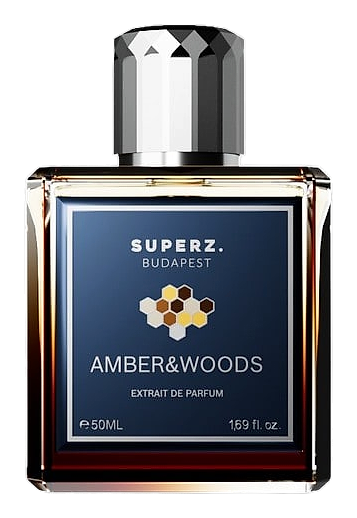
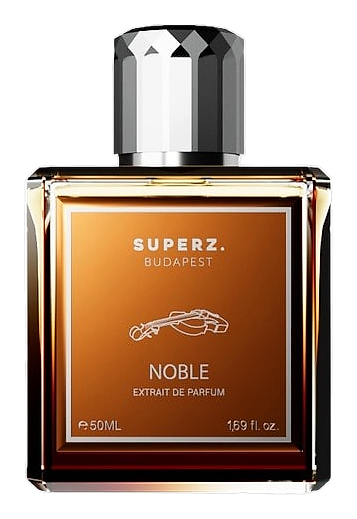
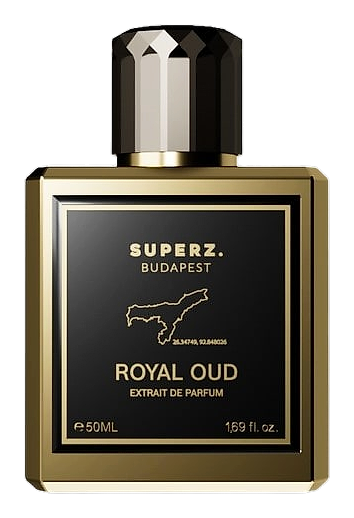
The story of Superz begins with Szabolcs Szerencsés, a Hungarian entrepreneur who spent years working with Turkish perfume‑oil producers. In 2021 he launched Superz Budapest, establishing a private production line that allowed him to control every step from raw material selection to bottling. Early press coverage highlighted the brand’s ambition to bring Eastern aromatic heritage to a Western market. The first public launch arrived in late 2022 with Dominance Gold, a fragrance that combined oud, amber and spice and quickly earned mentions in niche‑fragrance blogs. 2023 saw the brand expand its distribution network to boutique retailers in Germany and Austria, a move confirmed by several independent retailers. 2024 proved to be a prolific year: five new scents entered the line‑up, including Khalifa, Royal Oud, Amber & Woods, Colors and Amber & Vanille. Each release was accompanied by a limited‑edition bottle that referenced Budapest’s Art Nouveau architecture. In early 2025 Superz introduced Fradi – 36, a tribute to a Hungarian football club, demonstrating the brand’s willingness to engage with local culture. Throughout its first four years, Superz has maintained a small‑batch approach, producing most fragrances in 50 ml and 100 ml sizes to preserve freshness. The brand’s growth has been documented by niche‑fragrance journalists who note its steady rise among collectors seeking non‑mainstream olfactory experiences. While still headquartered in Budapest, Superz reports collaborations with Turkish perfumers and sourcing trips to the Levant, reinforcing its cross‑regional identity. Superz frames its creative mission around the dialogue between East and West. The house believes that perfume can act as a bridge, translating the intensity of Turkish oil traditions into compositions that speak to contemporary European tastes. Rather than chasing trends, the brand emphasizes personal empowerment, encouraging wearers to choose scents that match their aspirations. Sustainability is mentioned in interviews as a guiding value; the team prefers ingredients that can be traced to responsible farms or cooperatives, and it avoids synthetic shortcuts when natural alternatives exist. Transparency is another pillar: each launch is accompanied by a brief note that lists the dominant notes and the origin of key ingredients. The philosophy also includes a respect for the ritual of application, suggesting that fragrance should be experienced slowly, allowing the top, heart and base layers to unfold over time. This approach reflects a broader belief that perfume is an intimate, time‑based art rather than a fleeting fashion accessory.