The Story
Why it exists.
The beginning
Amber & Woods arrived in 2024 as a renewal, a merge with the brand's existing Amber&Vanille that pushed the composition further into woody territory. Perfumer Hüseyin Erdoğmuş kept what worked: amber's warmth, saffron's metallic brightness. What changed was the cedarwood. It moved from background to foreground, taking on a distinctive rugged quality that the brand's copy describes as the heart of this version. Orange and caramel were added to the structure, deepening the sweetness without making it sticky. The mossy notes arrived last, a quiet counterweight to the warmth above. It is a fragrance built on what came before it, refined rather than reinvented.
The combination of jasmine tea and orange in the opening is unusual, jasmine typically anchors heart or base compositions, not top notes. Here it behaves differently: cooler, greener, almost astringent in the first minutes before the orange's citrus lifts and softens it. That fleeting quality matters. The saffron reads as metallic warmth rather than spice, threading through the heart alongside oakmoss and cedarwood in a way that keeps the middle from becoming sweet too early. The base is where the fragrance earns its name: amber and caramel create a warm, edible foundation while the musky notes keep everything grounded and close to the skin rather than projecting outward.
The evolution
The opening announces jasmine tea, cool, slightly green, unexpectedly bright for a fragrance called Amber & Woods. Within minutes, orange and saffron arrive together, the citrus cutting through the metallic warmth of the saffron. The cedarwood is present from the start but takes its time asserting itself, waiting as the floral-citrus layer settles. By the second hour, the honey and caramel arrive, softening the composition into something warmer and more traditionally amber. The mossy notes deepen the drydown, adding an almost dusty quality that prevents the sweetness from becoming cloying. Vanilla appears late, smoothing everything into a close that lingers close to the skin for hours. On fabric, the cedarwood persists the longest, a dry, barely sweet trail that stays present the next morning.
Cultural impact
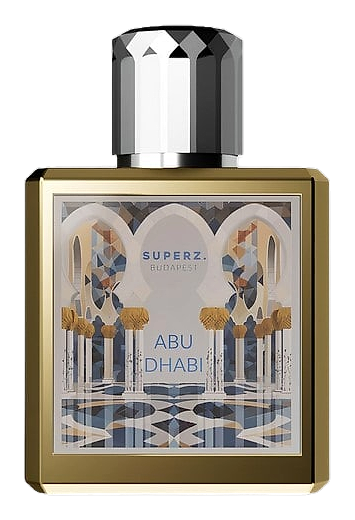
Amber & Woods arrives at a moment when consumers seek authenticity over ostentation. The fragrance taps into a broader cultural shift where woody, amber-forward scents signal groundedness and warmth. By combining jasmine tea, a note rooted in Asian cultural traditions, with cedarwood and saffron, the scent bridges Eastern and Western olfactory preferences. Superz Budapest's approach reflects a growing trend among indie brands to layer familiar comfort notes with unexpected complexity, appealing to wearers who want depth without heaviness. The 2024 release coincides with a renewed interest in cozy aesthetics, where warm amber and honey notes dominate social media mood boards and lifestyle content.