
Heritage
A house, in its own words
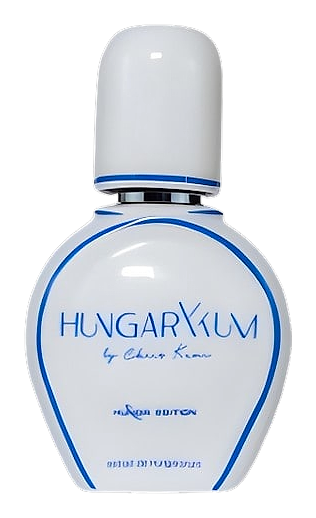
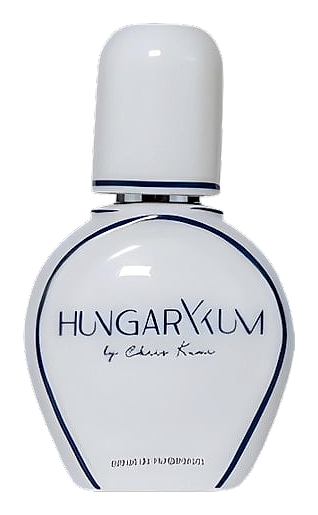
Hungarykum emerged from the intersection of personal memory and historical research. Founder Chris Kumi developed a practice of translating Hungarian culture, geography, and childhood experiences into fragrance form, a process he describes in interviews as olfactory storytelling rooted in place. The name Hungarykum itself is a play on the Hungarian word for Hungary (Magyarország) and the founder's surname, signaling both national identity and personal authorship. The brand operates from Budapest and positions itself as the first ultra-niche fragrance house in Hungary, a claim reflecting the country's limited presence in the independent perfume world until recently. The house's early output draws directly from Hungarian history, referencing the country's long tradition with lavender cultivation, which dates to at least the 1320s when Hungarian lavender appeared in early perfume formulas. This historical connection to one of the world's first recorded perfumes gives Hungarykum a sense of continuity with regional craft traditions. Rather than building a global supply chain, the house maintains a focused, handmade production model in Hungary, keeping the creative and manufacturing process centralized. Hungarykum operates on the principle that fragrance should function as a cultural archive, preserving and transmitting Hungarian identity through scent. The house rejects the dilution conventions of mainstream perfumery, opting instead for high-concentration formulas that prioritize longevity and sillage without relying on common diluents. This technical stance reflects a broader philosophy: that perfume deserves the same seriousness as other art forms tied to national or regional heritage. The founder approaches each fragrance as a research project, drawing on historical records, landscape associations, and lived experience to construct scent narratives. The house does not launch collections on industry cycles or chase trends. Each release centers a specific element of Hungarian culture, whether a geographic location like Lake Balaton, a historical figure like Hunor, or a botanical material with centuries of documented use. The philosophy holds that a fragrance can carry the memory of a place more precisely than a photograph or written description.