
The Story
Why it exists.
The beginning
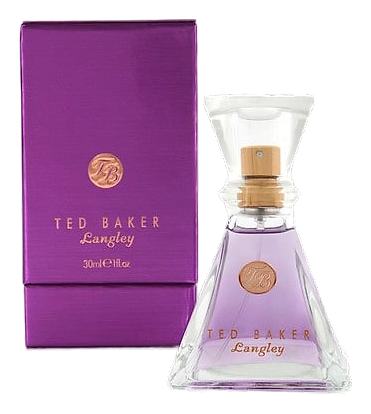
Langley arrived in 2011 from Ted Baker, stepping into the label's growing scent portfolio with a clear sense of purpose. The brand had already been exploring fragrance as a natural extension of its design language, where the details speak louder than the logo and the wearer remains the quiet center of attention. Langley fits that brief precisely: a woody-floral-musk composition built for everyday polish rather than ceremony. There's a considered neatness to how it presents itself, from the way the citrus top notes greet you with brightness, through the green-tea lift at the heart, to the dry cedar and vetiver close. Nothing announces itself too loudly. Nothing disappears either. The scent sits squarely within a philosophy that values restraint as a form of confidence.
What sets Langley apart is its structural balance. Bergamot, ginger, and pink pepper form a bright-spicy opening that avoids the trap of either leaning too sweet or too aggressive. The citrus carries a clean, almost crisp edge, while the ginger adds a low, steady warmth beneath. The pink pepper doesn't shout; it prickles, offering a fleeting shimmer that draws you closer rather than pushing you away. The heart introduces green tea and orange blossom, lending a clean, slightly bitter lift to the composition.
The evolution
The opening moves fast. Bergamot sparkles on the first breath, then ginger and pink pepper take the lead, a quick prickle of heat that never crosses into aggressive territory. The citrus softens as the minutes pass, and green tea begins to surface, bringing a clean, almost aqueous quality to the composition. Orange blossom lifts through the middle hours, never heady, more like sunlight through linen curtains. Its presence feels like a gentle warming rather than a floral statement, offering a soft, honeyed undertone that complements the green tea's clarity. The transition into the base is gradual. Petitgrain fades first, its leafy bitterness slowly retreating, then the florals settle into a quieter register, and cedarwood arrives with a dry, woody quietude.
Cultural impact
Langley arrived in 2011 as part of Ted Baker's expansion into fragrance, joining a portfolio that treats scent as a natural extension of the brand's design philosophy. Its woody-floral-musk structure gave it an immediate versatility, a composition that could move from morning meetings to evening drinks without missing a step. The fragrance earned a quiet following among those who valued its restraint, its ability to occupy personal space without overwhelming it. Parfumo notes that production was apparently discontinued, which has only deepened the interest of those who came to appreciate its particular balance.