    Brand Profile

    Ted Baker began as a British fashion label in 1988 and has since extended its design sensibility into fragrance. The scent portfolio reflect…More

    United Kingdom·Est. 1988·Site

    4.3

    Rating

    46
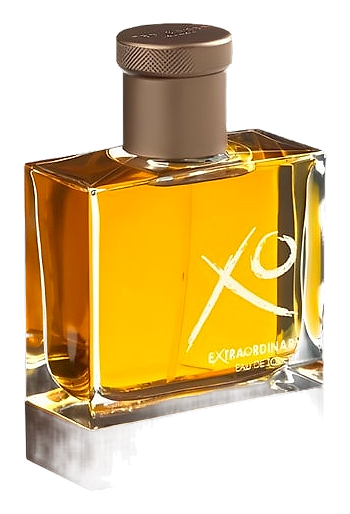
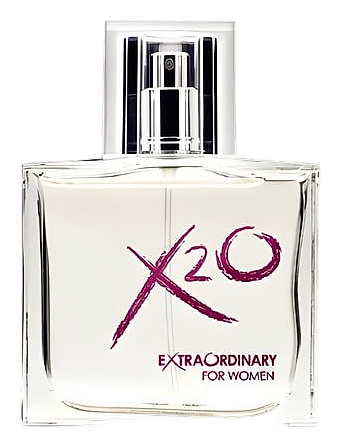
    XO Extraordinary by Ted Baker
    Best Seller
    4.3

    XO Extraordinary

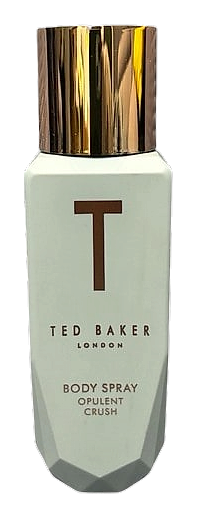
    Opulent Crush by Ted Baker
    Best Seller
    4.5

    Opulent Crush

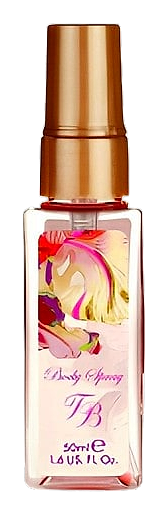
    Butterfly Wings by Ted Baker
    Best Seller
    4.5

    Butterfly Wings

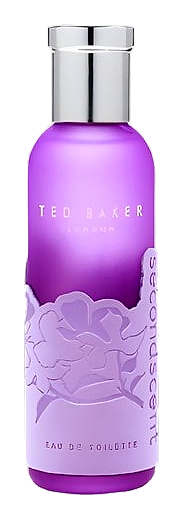
    Secondscent by Ted Baker
    4.2

    Secondscent

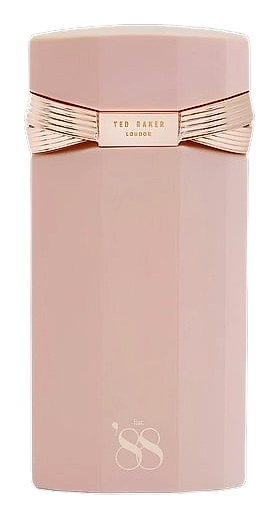
    Blush Pink by Ted Baker
    4.2

    Blush Pink

    Skinwear Ten for Men by Ted Baker
    4.2

    Skinwear Ten for Men

    Raspberry & Orange Blossom by Ted Baker
    4.2

    Raspberry & Orange Blossom

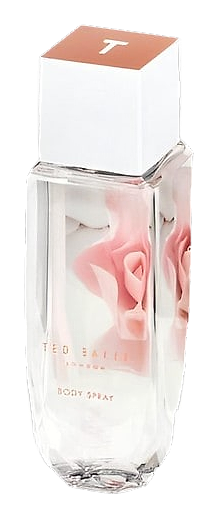
    Rose & Orchid by Ted Baker
    4.0

    Rose & Orchid

    Second Skin by Ted Baker
    4.0

    Second Skin

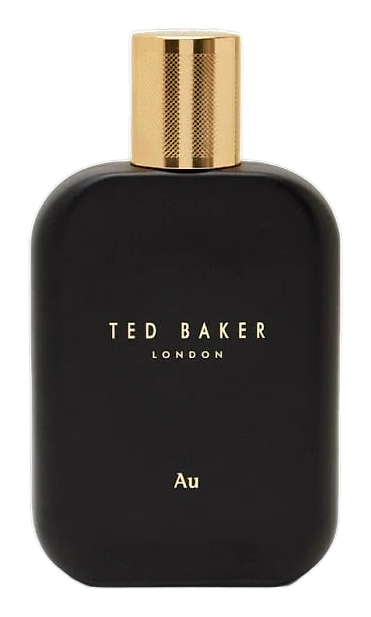
    Au by Ted Baker
    4.0

    Au

    Ted Baker Woman Limited Editon by Ted Baker
    4.0

    Ted Baker Woman Limited Editon

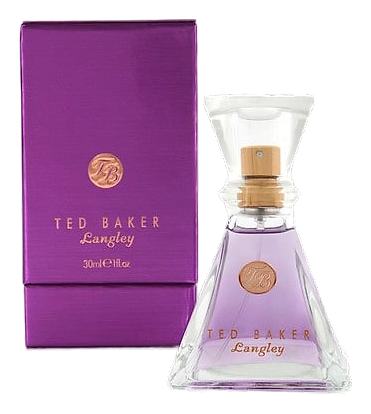
    Langley by Ted Baker
    4.0

    Langley

    1 of 4

    The Heritage

    The Story of Ted Baker

    Ted Baker began as a British fashion label in 1988 and has since extended its design sensibility into fragrance. The scent portfolio reflects the brand’s reputation for witty details and polished style, offering both classic and contemporary compositions such as Skinwear (1998), Secondscent, and the recent Rose & Orchid (2024). Each bottle carries the label’s signature striped motif, linking the perfume line to the clothing range while inviting collectors to explore a curated olfactory journey.

    Heritage

    The company was founded in 1988 by Ray Kelvin in Glasgow, Scotland, after he opened a small menswear shop on King Street in Manchester. Kelvin chose the name Ted Baker for a fictional character he had invented, a decision that gave the brand an instantly memorable identity. Early growth focused on tailored shirts and quirky detailing, traits that later defined the label’s broader apparel range. By the late 1990s the brand had expanded across the United Kingdom and entered international markets. In 1998 the fashion house entered a licensing partnership with KMI Brands, a UK fragrance house, to launch its first perfume, Skinwear. The collaboration marked the start of a dedicated scent line that would run parallel to the clothing collections for more than two decades. Over the years Ted Baker introduced a series of fragrances for men and women, including Second Skin (2004), Blush Pink (2017), and the limited‑edition Rose & Orchid (2024). In 2023 KMI Brands celebrated the 25th anniversary of the partnership, highlighting the longevity of the fragrance program within a fast‑moving fashion environment. Despite financial challenges that led the parent company into administration in 2022, the fragrance arm has continued to be produced under the existing licensing agreement, preserving the original aesthetic and formulation standards established at launch.

    Craftsmanship

    Production of Ted Baker fragrances is overseen by KMI Brands, a specialist fragrance house that handles formulation, ingredient sourcing, and quality control for the line. The partnership, established in 1998, gives KMI Brands responsibility for selecting raw materials from established European and North African suppliers, ensuring compliance with REACH regulations and industry safety standards. Each scent undergoes multiple stability tests to guarantee consistent performance across different climates. The company reports that it uses a blend of natural extracts—such as citrus from Italy, floral absolutes from France, and spice oils from India—combined with synthetics that meet IFRA guidelines. Batch testing includes gas chromatography analysis to verify concentration levels and to detect any contaminants. Packaging is produced in facilities that follow ISO 9001 quality management protocols, and the iconic striped bottle is manufactured using recyclable glass, reflecting a modest environmental focus. While the brand does not disclose exact percentages of natural versus synthetic ingredients, the production process aligns with standard practices observed across licensed fashion fragrance lines.

    Design Language

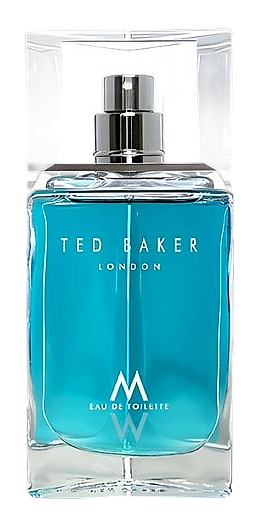
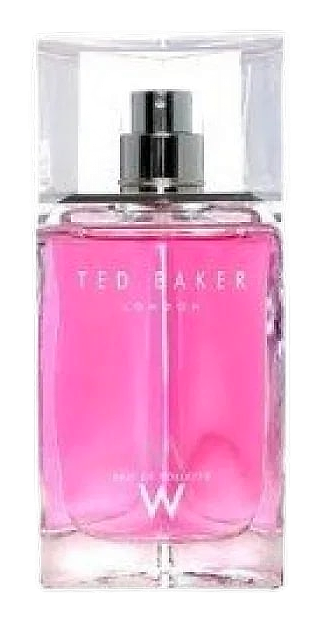
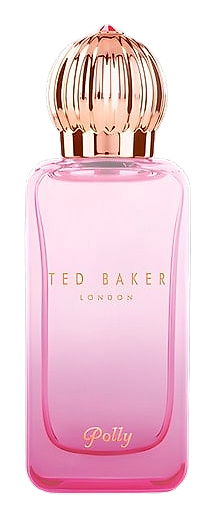
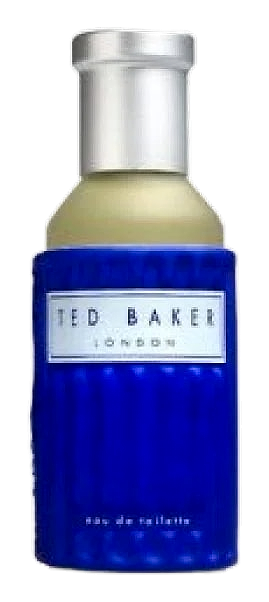
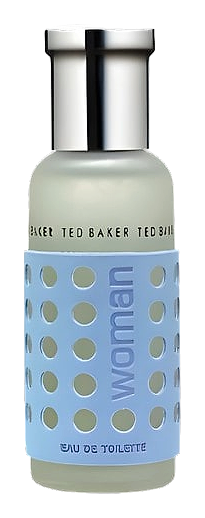
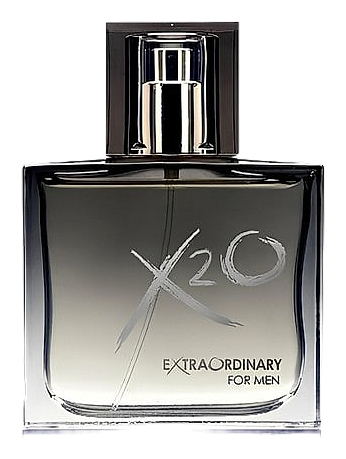
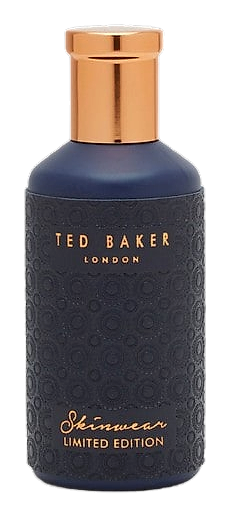
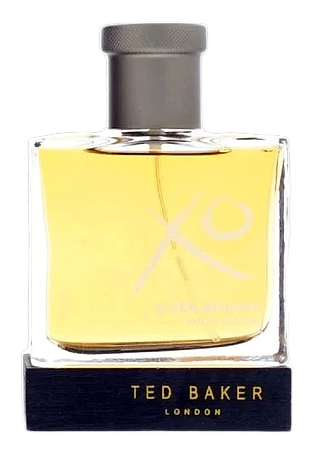
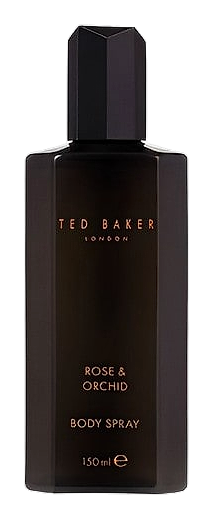
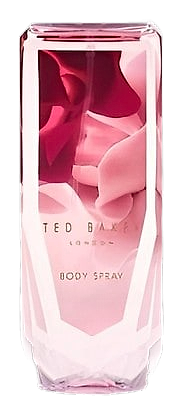
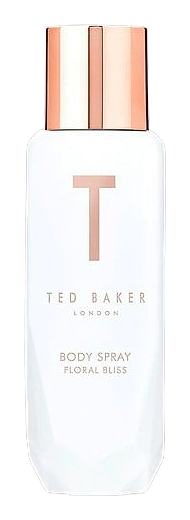
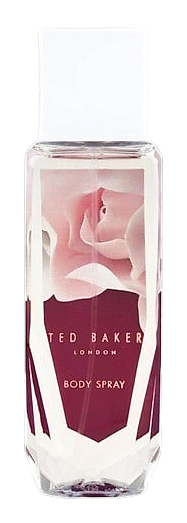
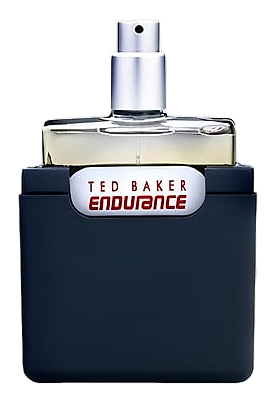
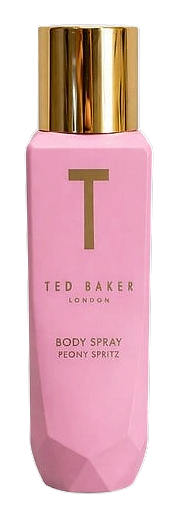
    Ted Baker’s perfume bottles carry a minimalist silhouette topped with a clear cap that reveals a slender, striped label—an echo of the brand’s signature pattern found on its clothing tags. The glass is typically clear or lightly tinted, allowing the colour of the liquid to become a visual cue for the scent family; for example, the Rose & Orchid edition features a soft pink hue that mirrors its floral heart. Typography on the label uses a clean, sans‑serif typeface consistent with the label’s apparel branding, while the brand name is embossed in gold or silver foil for a subtle touch of luxury. The overall design avoids excessive ornamentation, favouring clean lines that convey confidence and approachability. Marketing imagery often places the bottle against a muted background, highlighting the product’s shape and the striped detail without relying on dramatic lighting or overt glamour. This restrained visual language reinforces the brand’s identity as polished yet playful, inviting both longtime fans and new customers to recognise the perfume as an extension of the fashion line.

    Philosophy

    The fragrance philosophy mirrors the label’s broader creative vision: a blend of British tailoring precision and playful surprise. Ted Baker’s scent creators aim to translate the brand’s attention to hidden details into olfactory form, using unexpected ingredient pairings that reveal new facets over time. The company emphasizes approachability, designing perfumes that feel both refined and easy to wear, avoiding overt extravagance in favor of balanced compositions. Sustainability has become a growing consideration, with recent releases noting responsibly sourced raw materials where possible. The brand also seeks to maintain a consistent narrative across fashion and fragrance, ensuring that a bottle’s visual language echoes the clothing line’s signature stripes and subtle embellishments. This alignment reinforces a cohesive brand story that invites consumers to experience the same sense of wit and elegance whether they are choosing a blazer or a perfume.

    Key Milestones

    1988

    Ray Kelvin opens the first Ted Baker shop in Glasgow, establishing the brand’s focus on menswear and distinctive detailing.

    1998

    KMI Brands becomes the first license partner, launching the Ted Baker fragrance line with the debut scent Skinwear.

    2004

    Second Skin, a fresh unisex fragrance, is released, expanding the portfolio beyond the original men's offering.

    2017

    Blush Pink, a soft floral fragrance for women, debuts, reflecting the brand’s continued diversification.

    2023

    KMI Brands marks the 25th anniversary of the Ted Baker fragrance partnership, celebrating two and a half decades of scented collaborations.

    2024

    Rose & Orchid is introduced, the latest addition that highlights contemporary floral trends within the brand’s scent collection.

    At a Glance

    Brand profile snapshot

    Origin

    United Kingdom

    Founded

    1988

    Heritage

    38

    Years active

    Collection

    1

    Fragrances released

    Avg Rating

    4.3

    Community sentiment

    Release Rhythm

    2024
    3
    2022
    2
    2020
    1
    2019
    5
    2018
    1
    2017
    8
    2013
    2
    2012
    3
    tedbaker.com

    Did You Know?

    Interesting Facts

    Distinctive details and defining moments that shape the house personality.

    01

    The brand name "Ted Baker" originates from a fictional character created by founder Ray Kelvin, not from a real person.

    02

    Ted Baker’s first perfume, Skinwear, was launched the same year the fashion label celebrated its tenth anniversary.

    03

    KMI Brands, the fragrance partner, is a UK‑based house that also produces scents for other fashion labels, handling formulation and production under strict industry standards.

    04

    The striped label on each bottle directly references the brand’s iconic clothing tag, a design element that first appeared on shirts in the early 1990s.

    The Artisans

    The Perfumers