The Story
Why it exists.
The beginning
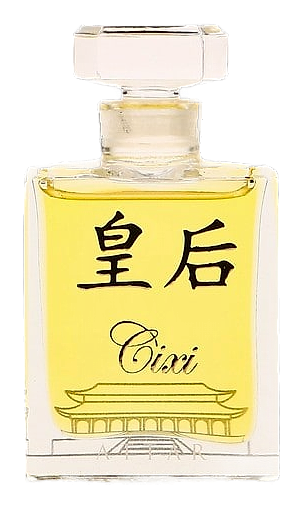
Cixi takes its name from the Empress, and the whole composition leans into that idea. Orchestrated, regal, with a sweetness that knows when to hold back and a spice that knows when to push. Tabacora Parfums released it in 2018 as part of their Chariots of Love collection. The perfumer, Christian Carbonnel (Chris Maurice to anyone who's followed indie perfumery for a while), built the scent around fruit and white florals that behave like they're competing for attention, which is exactly what an empress would do. The opening hits with a generous pour of stone fruit, peach and apricot ripening into something plush and almost edible, before raspberry threads tartness underneath to keep the sweetness from tipping over.
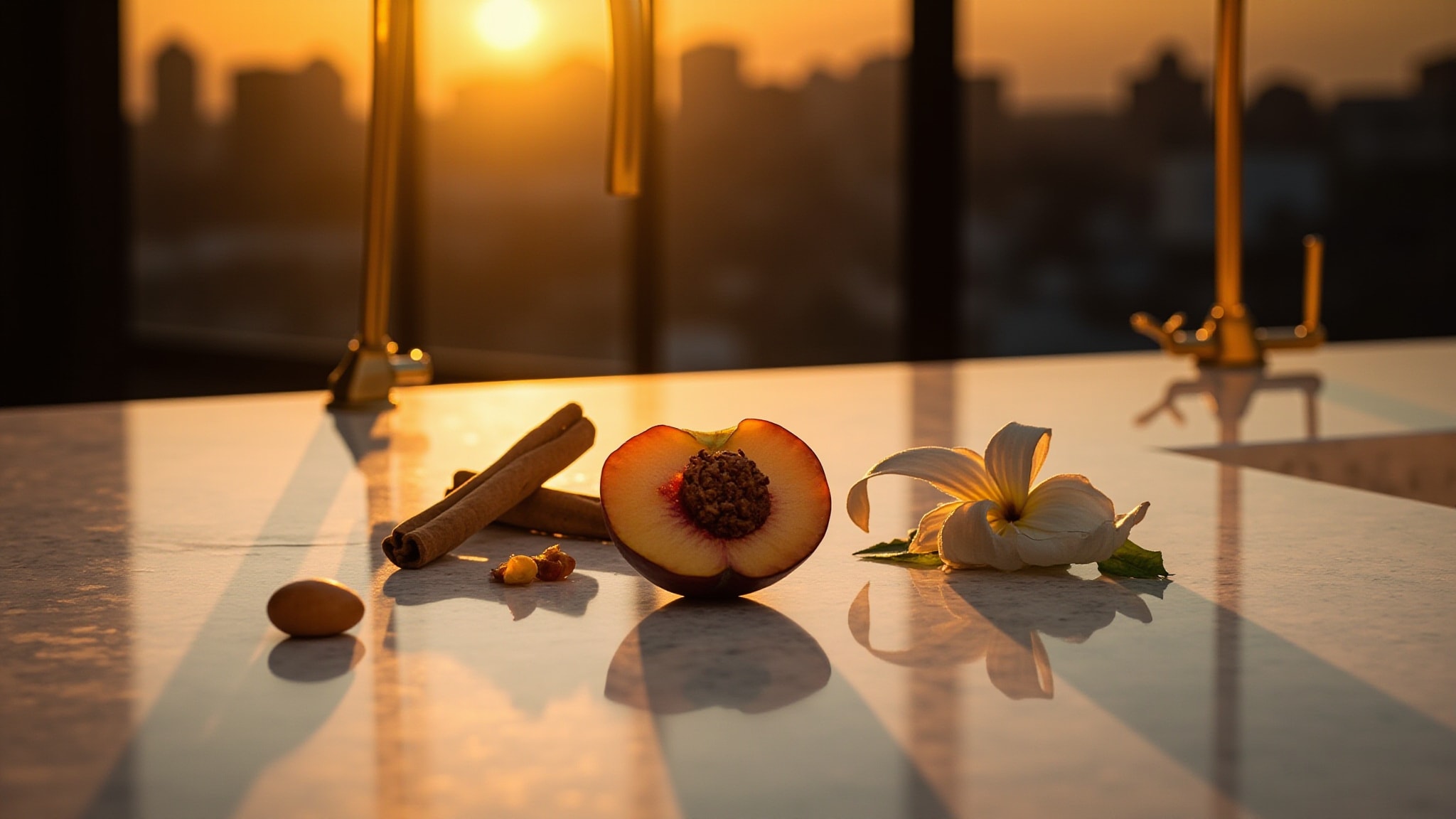
Most fruity-florals go one of two ways: bright and forgettable, or cloying within an hour. Cixi pulls toward neither. The trick is in the layering. Peach and apricot and raspberry sit up top, but they share space with lemon and bergamot, which keeps them from collapsing into jam. Then the heart rolls in tuberoses and cinnamon together, a combination that usually flirts with vulgarity but here feels deliberate, almost architectural. Carnation and jasmine add a soapy, slightly bruised edge, the kind that stops a fragrance from feeling like a confection.
The evolution
The first ten minutes are pure orchard. Peach and apricot hit the skin like something you forgot in a bag on a warm afternoon, sweet but not yet cooked. Raspberry threads underneath, tart enough to keep things honest. Bergamot and lemon flick at the edges, barely there, doing exactly what citrus should do in an opening. Around the twenty-minute mark, the fruit starts receding and the spice moves forward. Cinnamon arrives not as a baking spice but as something warmer, almost woody, wrapped around a thicket of white florals. Tuberose dominates the heart, creamy and heavy, with jasmine crowding in close and carnation adding a peppery, clove-like whisper. Rose is in there too, but it doesn't fight for space. It just makes everything else smell more expensive. As the hours pass, the composition sheds its sweetness and settles into something drier.
Cultural impact
Cixi Attar enters a niche perfume conversation shaped by decades of attar tradition rooted in the Middle East, South Asia, and North Africa, where oil-based fragrances carry cultural weight far beyond mere scent. Attars have long held a place in devotional and ceremonial practice in these regions, prized for their longevity, intimacy, and the way they interact with the warmth of skin rather than the volatility of alcohol.