
The Story
Why it exists.
The beginning
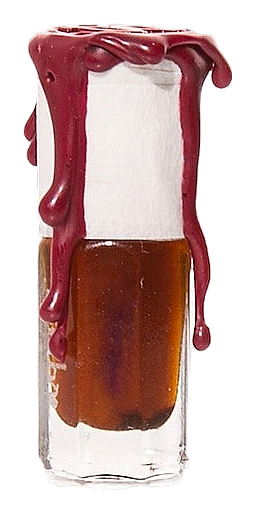
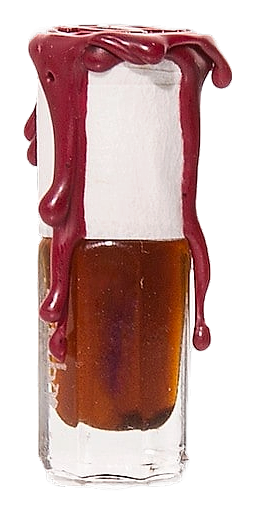
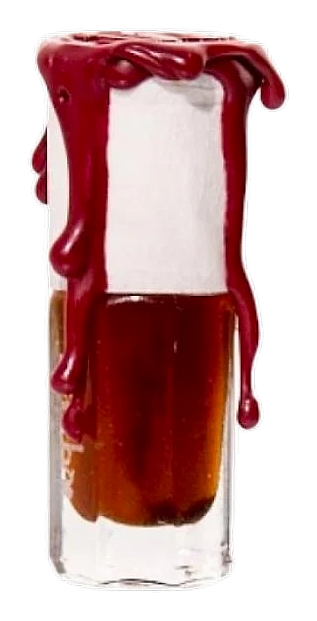
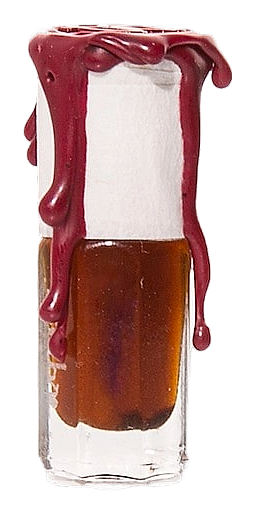
Sultan Pasha launched Cuir au Miel in 2013 as his debut public offering, a honeyed leather attar that announced a voice. The idea was direct: leather and honey aren't opposites. Leather is warmth without apology. Honey is sweetness that doesn't ask permission. Together they create a scent that feels primal and refined simultaneously, the kind of tension that makes people stop mid-conversation and lean closer. The name is French, the ingredients are global, the execution is pure London restraint. This was Sultan Pasha's opening statement: he wasn't here to chase trends. He was building a library.
The honey-leather pairing is deceptively simple. Honey can read childish in perfumery, syrupy, linear, one-dimensional. Leather can read harsh, all tar and smoke and astringency. The trick is the animalic base: multiple musk sources (deer musk, castoreum, civet, hyraceum) create a skanky depth that grounds the honey, keeps it from floating away into sweetness. Without that foundation, this would be a candle. With it, you have something that clings to skin like a secret.
The evolution
The opening is a surprise: cool florals, almost green. Linden blossom and orange blossom arrive together with a beeswax luminosity, the smell of sunlight through amber glass. For the first twenty minutes, the leather feels distant. Then the honey begins to darken. Fermented. Resinous. The leather catches up, not harsh but worn-in, intimate. Musk notes emerge, not clean musk, but the real thing, skin-close and animalic. Then comes the civet: a sharp, skanky note that reads as provocation. Some people pull back here. Others lean in. The best fragrances have a moment like this, the fork in the road. The drydown is where Cuir au Miel earns its reputation. Animalic notes rise to the surface: skanky, close, almost confrontational in their intimacy. The leather settles into something warm and well-worn, the kind of softness that only comes with years of contact. Osmanthus adds a dark floral note, fruity, apricot, faintly animalic. The honey and beeswax persist into the final hours, never fully dissolving, a reminder of the sweetness that started everything.
Cultural impact
Cuir au Miel found its audience among collectors who wanted something beyond mass-market leather fragrances, the kind of wearers who track down discontinued artisan attars and discuss civet on forums without flinching. Since 2013, it has quietly become a reference point in the niche leather fragrance conversation, mentioned whenever someone asks about natural attars with serious animalic depth. It hasn't gone mainstream, and that suits it perfectly.