The Story
Why it exists.
The beginning
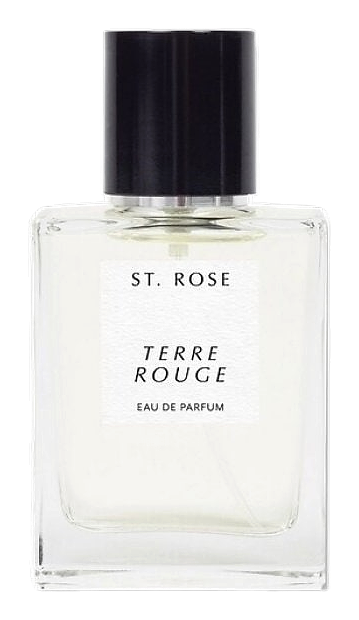
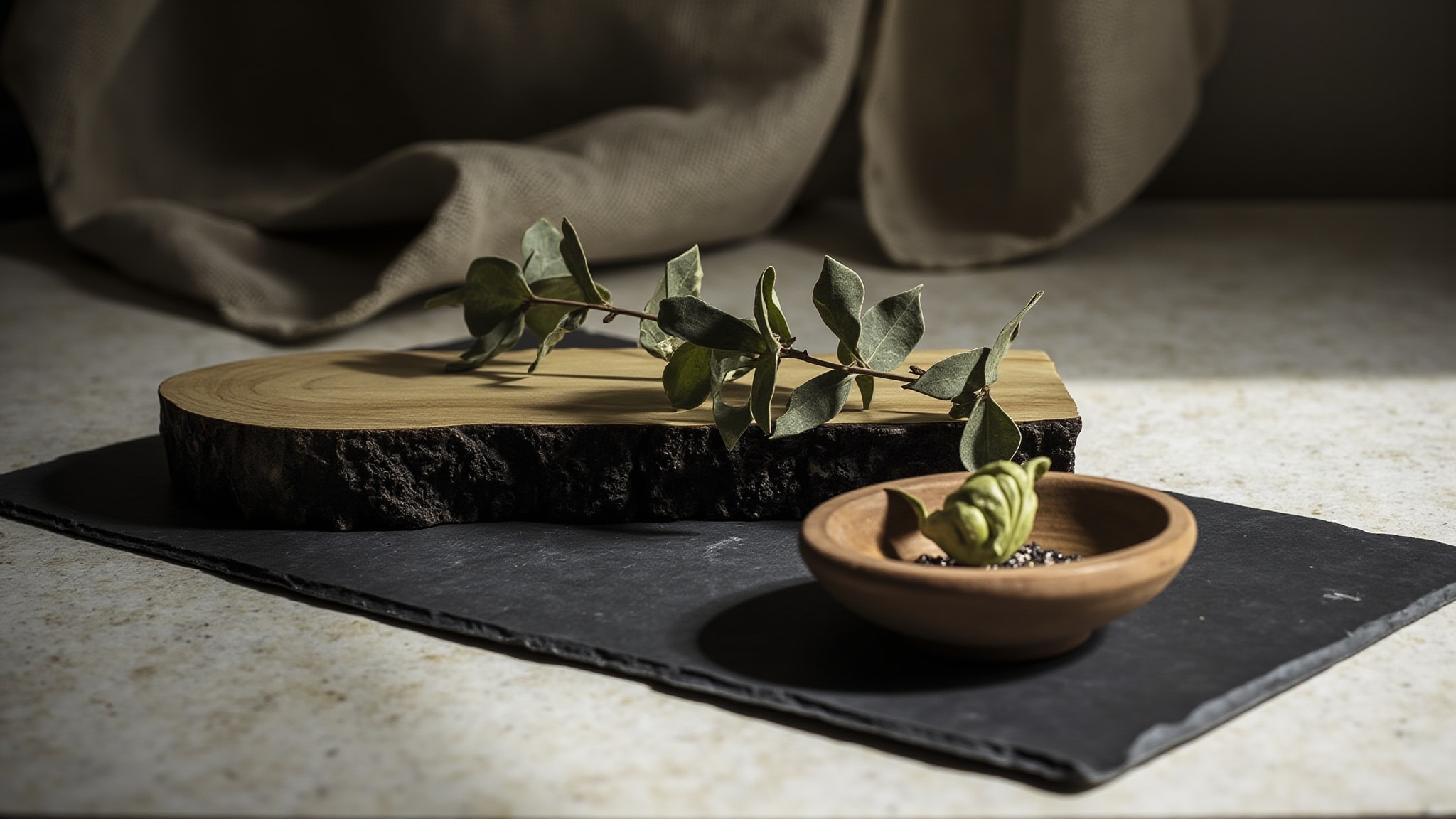
Terre Rouge translates to red earth, and the name does most of the work before you even spray it. The composition leans on Australian sandalwood as its anchor, one of the most quietly prized materials in modern perfumery, and lets it carry the weight of the fragrance. The eucalyptus isn't decorative. It's present in a way that feels grounded rather than bright, giving the opening a cool, slightly camphorated edge that sets up everything that follows. Cypress adds a dry, resinous snap that keeps the green elements from becoming too soft, while cardamom threads a quiet warmth through the early minutes. Together they build a picture of dry heat and open ground, a landscape sensed rather than described.
What makes the structure interesting is the restraint. The eucalyptus and amyris sit in the middle, two green-leaning materials that could easily tip the whole thing into medicinal or piney territory. They don't. The cardamom at the top keeps things bright without going sweet, and the orris root at the base does what orris always does when it's used well: it powders the edges, gives the sandalwood a matte finish instead of a glossy one.
The evolution
The opening is green and cool. Cypress and eucalyptus lead, cardamom flickering underneath like a match struck and forgotten. There's a clean, almost bracing quality, the sensation of stepping outside into air that hasn't been warmed yet. As the fragrance develops, the eucalyptus starts to recede and the amyris takes over, bringing a warm, dry woodiness that bridges the opening to the base. This is the transition zone, where the fragrance stops reading as a landscape and becomes a texture. Eventually the sandalwood settles into the center of everything. It's creamy but not sweet, dense but not heavy. The orris root adds a powdery softness that keeps the amber from going too syrupy. The white musk that opened the fragrance reappears later in the wear, anchoring everything close to the skin.
Cultural impact
Terre Rouge reads as woody and earthy from the first spray, but it's deliberately understated rather than dense or aggressive. The Australian sandalwood gives the composition a clear regional character, one that reads immediately as botanical and natural rather than constructed. The eucalyptus opening provides a cool counterpoint that keeps the warm base from settling too quickly into amber territory. The accord feels less like a stylized idea of wood and more like the material itself, presented without embellishment.