
The Story
Why it exists.
The beginning
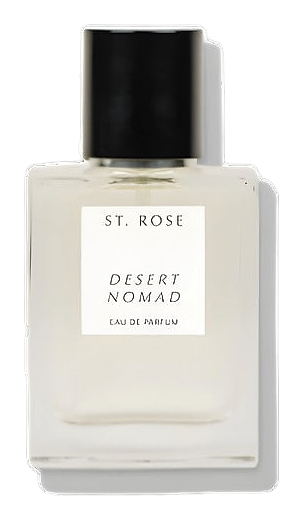
Desert Nomad is a composition from independent perfumer ST. Rose, and its entire character is built around a single, deliberate contrast: the sharp, almost effervescent brightness of citrus peels sold in dusty market stalls, set against the heavy, grounding warmth of raw ginger root and dried resins piled in woven baskets. The scent reads as a study in dry heat, where every element feels sunbaked rather than sweet. Rather than relying on sweetness or tropical lushness, the composition leans into a kind of arid clarity that feels architectural in its restraint. Each note is stripped of excess moisture, as though the fragrance itself has been left to cure in open air. The result is something that feels less like a perfume and more like a landscape captured in glass.
Every ingredient in Desert Nomad has been chosen for its ability to hold up under heat without losing definition, and the sourcing reflects a preference for materials that arrive at the still with their character fully intact. The ginger arrives with a bright, peppery snap that feels almost raw on the skin, carrying a clean heat rather than the dull, cooked warmth that older rootstock can produce. The bergamot contributes a bitter-edged brightness that cuts through the composition with a cold, almost metallic clarity, the kind of sharp citrus note that reads as architectural rather than juicy.
The evolution
Desert Nomad has shifted and softened through the years, but its core identity has remained remarkably consistent. Early versions of the scent leaned heavily into the spice, with a ginger-forward opening that some wearers found almost aggressive in the first minutes on skin. Over time, the opening has been pulled back slightly to let the citrus breathe, allowing the bergamot and neroli to assert themselves before the warmer base takes hold. The composition has been refined to extend wear and to keep the drydown warm rather than sharp, but the essential idea remains the same: a citrus-spice architecture that reads as warm, dry, and grounded. Each iteration has kept the bones of the original intact while quietly polishing the edges. The heart of the scent, that tension between cold citrus and hot resin, has never been compromised.
Cultural impact
Desert Nomad arrived at a moment when independent perfumery was hungry for something dry, sunlit, and architectural, and it answered that hunger with a composition built on restraint rather than abundance. It has become a quiet favorite among buyers who want a citrus-spine fragrance that does not collapse into a basic cologne, offering instead something that feels genuinely arid and considered. The scent has found its audience in online communities that trade recommendations for niche and indie houses, where its dry, almost stony character is often cited as a welcome change from denser, sweeter compositions.