The Story
Why it exists.
The beginning
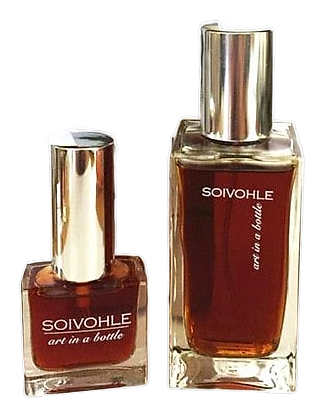
Orris Ochre arrived in 2012 from the studio of Liz Zorn, the perfumer behind Soivohle. Her work treats perfume with the patience of a visual artist, each bottle a small vignette meant to be inhabited rather than shown off. Orris Ochre emerged from that sensibility: a composition that reads like pigment translated into air, dense and tactile where many iris fragrances feel weightless. The name itself gestures toward that intersection, pairing the pale, rooty character of orris iris with the warm, earthen resonance of ochre. It rewards stillness over spectacle, settling into the skin rather than announcing itself from across a room. There's a deliberate gravity here, a sense of material chosen for what it does rather than what it projects.
Orris root anchors the composition with that familiar violet-like softness that only iris can deliver, buttery and slightly powdery in the way that suggests depth rather than sweetness. Zorn pairs it with muhuhu wood, a relatively uncommon ingredient in contemporary perfumery, which contributes a dry, papery quality that keeps the iris grounded. Rather than letting the orris float off into something purely floral, the muhuhu pulls it earthward, giving the heart a tactile, almost architectural structure.
The evolution
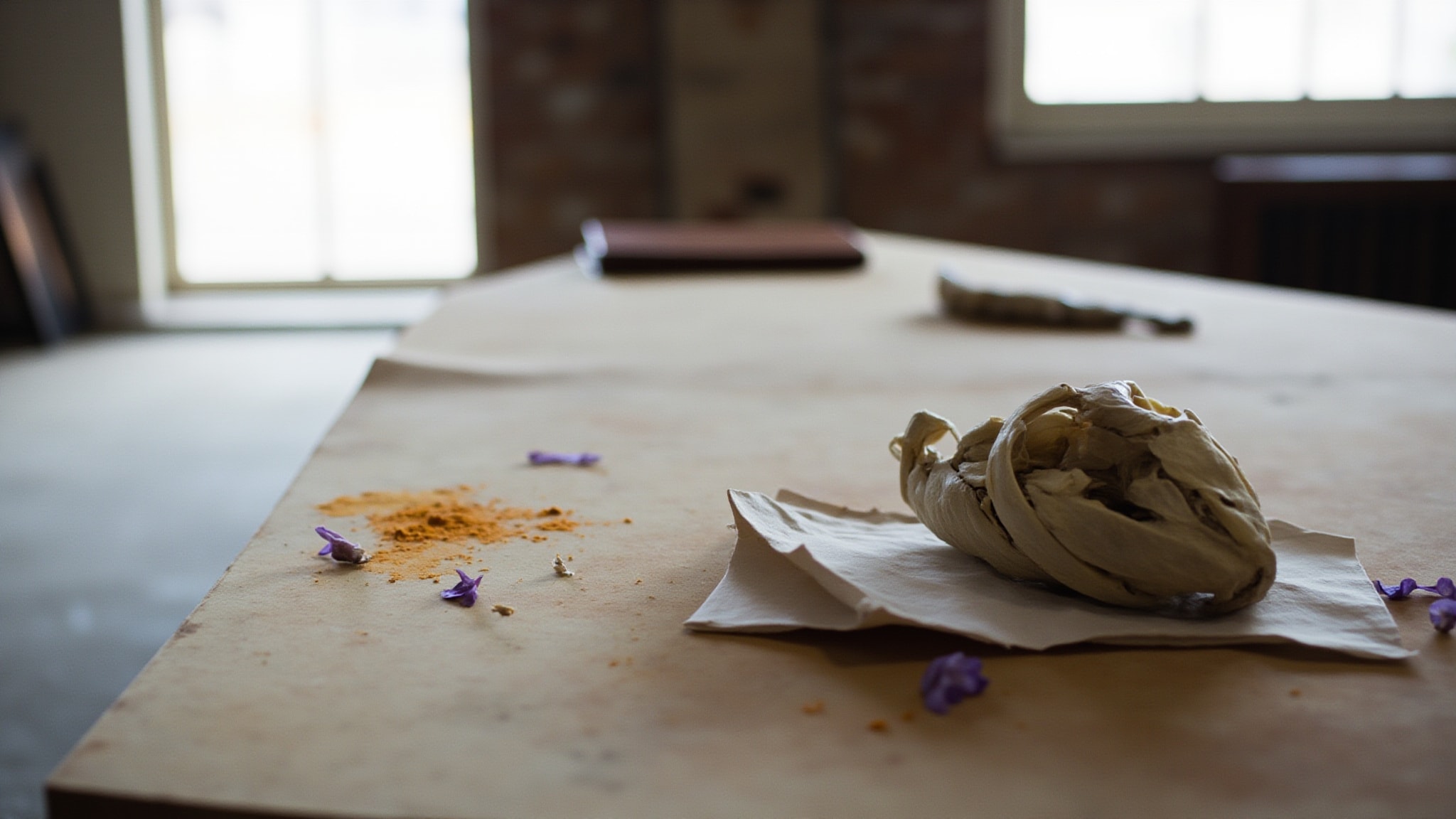
The opening belongs to wild orange and honey, a soft candied lift that sits atop something cooler and more mineral, like citrus peel dropped onto warm stone. There's an immediate tension between brightness and depth, sweetness and dryness, that signals this is not a straightforward floral. Then the orris arrives, and it doesn't politely take over. It expands. Violet and narcissus open alongside it, and the heart phase reads like opening a drawer of pressed flowers, dry, sweet, faintly chemical in the way real iris always is. There's something almost dusty about it, not unpleasant but genuinely powdery, the scent of a pigment jar or an old artist's studio. Muhuhu wood surfaces underneath everything, a smoked, papery dryness that keeps the powder from going chalky and instead gives it warmth. As the hours pass, the suede and rosewood settle into a close, tactile base.
Cultural impact
Orris Ochre has earned attention within indie perfumery for its unconventional handling of iris, one of perfumery's most tradition-bound materials. Where many iris compositions lean sweet or powdery in familiar ways, this one takes a drier, more tactile path through its pairing of muhuhu wood and suede. That combination gives the fragrance a handmade character that distinguishes it from more polished commercial iris releases, positioning it as something made for an individual wearer rather than a broad audience.