The Story
Why it exists.
The beginning
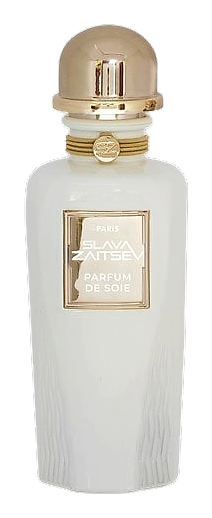
Parfum de Soie arrived in 2021 from the house of Slava Zaitsev. The composition was built at Robertet, where the spices and oud gained a density and weight that defines the fragrance's structure. Where lighter formulations might let rose and grapefruit float at the surface, this one builds downward from the first spray, anchoring itself in wood and resin before the bright notes have a chance to evaporate. The rose here behaves less like a petal and more like a lined wool, holding its shape against the cumin and saffron rather than dissolving into them. Pepper and nutmeg add the architectural snap, the sense that each note is placed rather than blended.
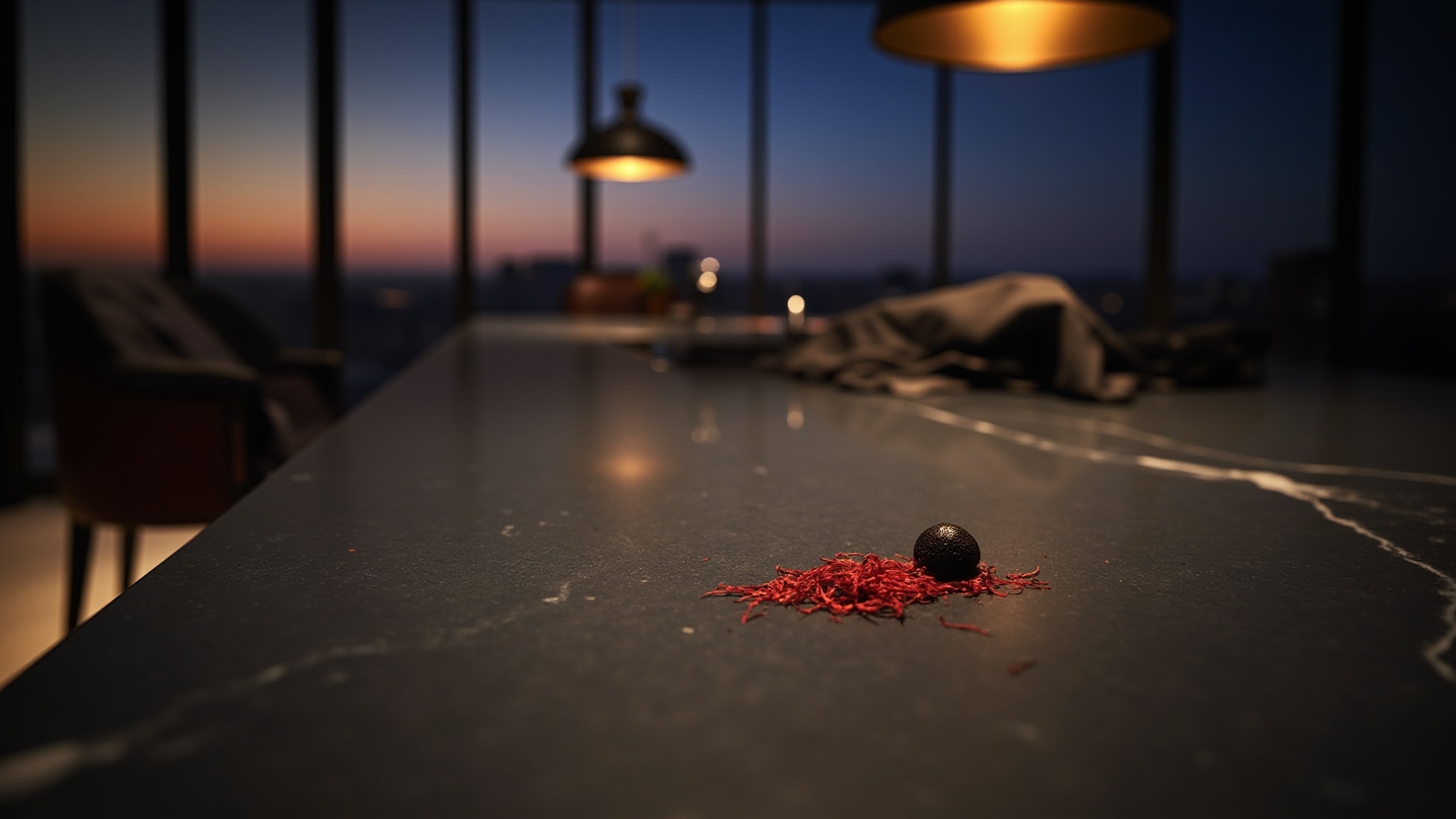
What's distinctive here is the collision of registers. Rose and grapefruit at the top read almost European, classical, well-bred. Then the heart detonates: saffron, cumin, black pepper, nutmeg, cashmere wood, sandalwood, all at once. The cumin is the gamble. Here it reads as warmth, as the smell of skin that's been somewhere interesting, as something spiced and lived-in rather than clean or polite. It turns the rose from a flower into something cooked, almost edible, like rosewater stirred into a stew rather than sprinkled on a dessert.
The evolution
The first ten minutes belong to grapefruit, bright and almost sour, cutting through before the rose has finished settling. The rose arrives quickly, but it doesn't stay sweet. Within twenty minutes the saffron and cumin begin to surface, turning the bloom darker, heavier, almost edible. By the one-hour mark, the spices have taken over completely. Cashmere wood and sandalwood soften the edges, but the cumin keeps pulsing underneath, warm and animal. The base reveals itself slowly: incense first, then the oud, smoky and dry, then leather, which arrives last and stays longest. The leather wears close to the skin, sinking in rather than radiating outward, so the scent sits with the wearer instead of broadcasting. Several hours in, the spices have banked down into embers, and what rises is mostly wood and smoke. The next morning, the pillow smells of leather and the faintest trace of rose.
Cultural impact
Parfum de Soie sits in an unusual space, a rose fragrance with oud and leather built into its foundation, weighty where many modern florals aim for transparency. Wearers who gravitate toward it tend to want presence without explanation, something that smells expensive without announcing itself. The cumin and saffron give it a sense of place, a regional accent that refuses to sand down into something generic. Compared to the brand's earlier work, this is a darker, more grounded statement, built for colder rooms and longer evenings rather than the bright topnotes that open most contemporary launches.