

    Brand Profile

    Slava Zaitsev translates the Russian couturier’s runway drama into scent. The brand emerged from the fashion house founded by Vyacheslav Mik…More

    Russia·Site

    4.0

    Rating

    10
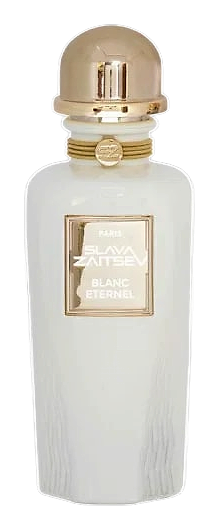
    Blanc Eternel by Slava Zaitsev
    Best Seller
    4.0

    Blanc Eternel

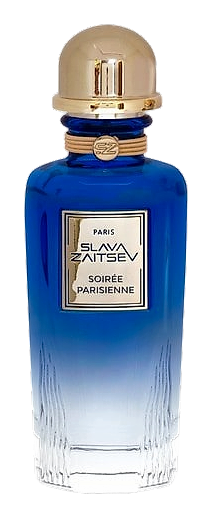
    Soirée Parisienne by Slava Zaitsev
    Best Seller
    4.0

    Soirée Parisienne

    Authentic Maroussia by Slava Zaitsev
    Best Seller
    3.9

    Authentic Maroussia

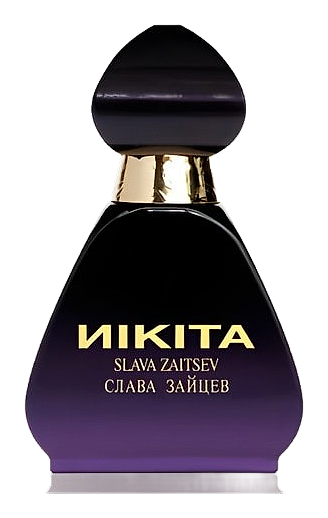
    Nikita by Slava Zaitsev
    3.9

    Nikita

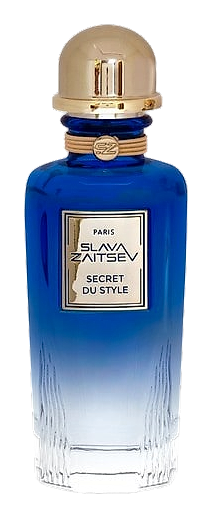
    Secret du Style by Slava Zaitsev
    3.9

    Secret du Style

    Velours Gourmand by Slava Zaitsev
    3.8

    Velours Gourmand

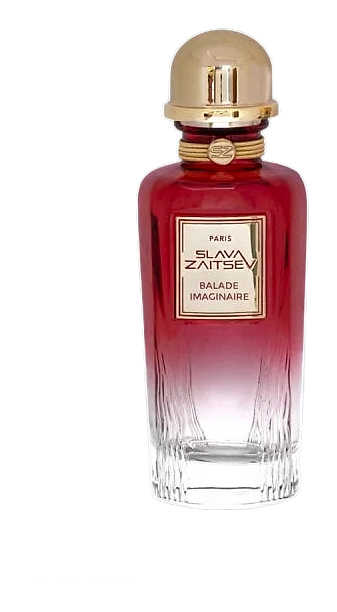
    Balade Imaginaire by Slava Zaitsev
    3.7

    Balade Imaginaire

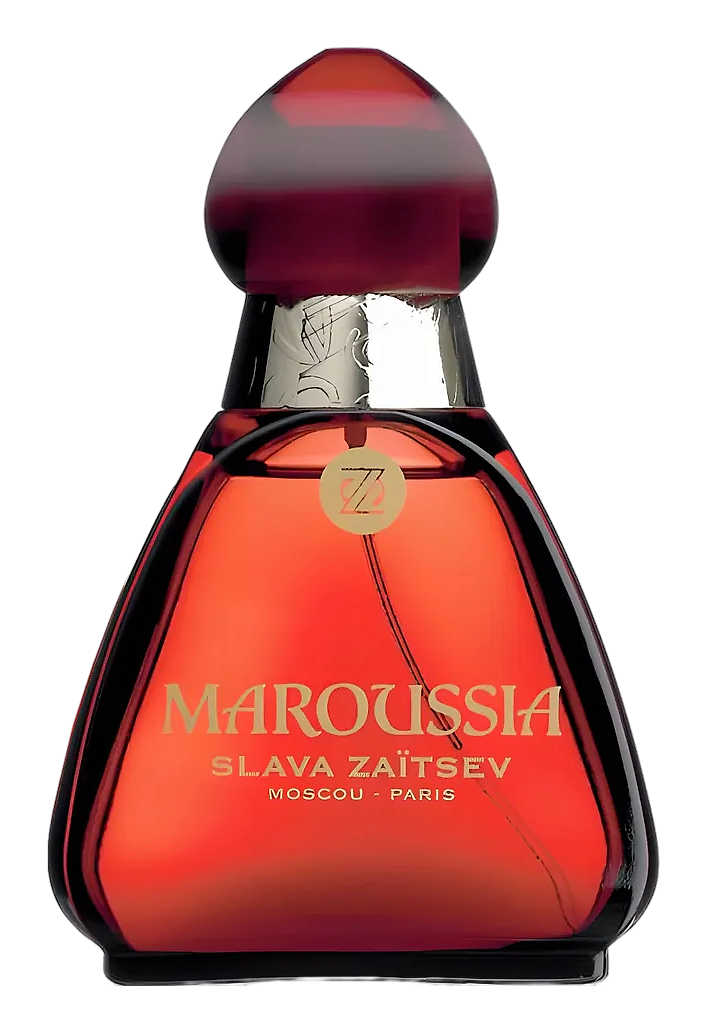
    Maroussia by Slava Zaitsev
    3.7

    Maroussia

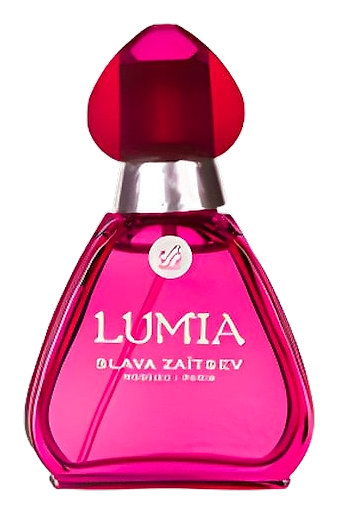
    Lumia by Slava Zaitsev
    3.6

    Lumia

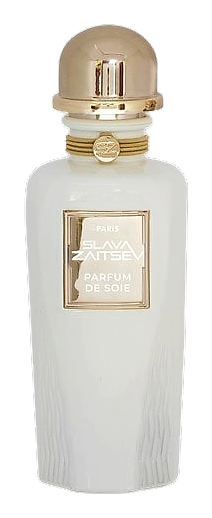
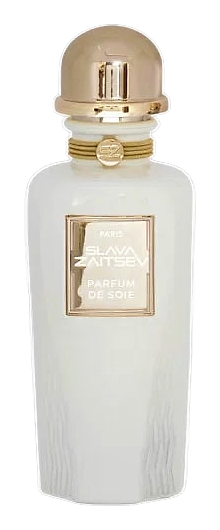
    Parfum de Soie by Slava Zaitsev
    3.4

    Parfum de Soie

    The Heritage

    The Story of Slava Zaitsev

    Slava Zaitsev translates the Russian couturier’s runway drama into scent. The brand emerged from the fashion house founded by Vyacheslav Mikhailovich Zaitsev, a name synonymous with Soviet‑era elegance. Since the early 1990s the perfume line has offered a handful of distinct fragrances, from the aldehydic opening of Maroussia (1992) to the gourmand accents of Velours Gourmand (2021). Each bottle carries a quiet confidence that mirrors the designer’s tailored silhouettes.

    Heritage

    The Slava Zaitsev perfume house traces its roots to the fashion atelier opened by Vyacheslav Mikhailovich Zaitsev in Moscow during the 1960s. Zaitsev, who later earned the nickname “the Soviet Yves Saint‑Laurent,” built a reputation for lavish evening wear and theatrical costume design for ballet and film. After the Soviet Union dissolved, he turned his creative energy toward fragrance, seeking a medium that could capture the same sense of drama without fabric. In 1992 the house released Maroussia, a scent built around aldehydes, bergamot and a green note, marking one of the first Russian perfumes to reach Western markets. The fragrance was listed in Fragrantica’s catalogue and attracted attention for its blend of classic European structure with a distinctly Russian sensibility. A second version, Authentic Maroussia, followed in 1996, refining the original formula with richer spice accords. The turn of the millennium saw the introduction of Lumia (2009), a composition that highlighted luminous citrus and soft florals, and Nikita (2007), a masculine offering that combined woody and aromatic elements. These releases demonstrated the brand’s willingness to explore both gendered and unisex territories while staying anchored in the founder’s aesthetic of refined opulence. After a quiet period, 2021 became a renaissance year for the house. Six new fragrances—Soirée Parisienne, Secret du Style, Velours Gourmand, Balade Imaginaire, Blanc Eternel and a re‑imagined Maroussia—arrived together, each presented in bottles that echo the clean lines of Zaitsev’s tailoring. The 2021 collection signaled a strategic push to re‑engage collectors and to position the brand within the global niche market, while still honoring its Russian heritage. Throughout its evolution, the Slava Zaitsev perfume line has remained a side‑branch of the broader fashion empire, sharing the same logo, design language and commitment to craftsmanship. The house continues to operate from Moscow, where its fragrance development team collaborates with regional ingredient suppliers and international perfumers to keep the scent portfolio fresh.

    Craftsmanship

    Production at Slava Zaitsev follows a disciplined process that echoes the atelier’s tailoring standards. Raw materials arrive at the Moscow laboratory after careful vetting; natural extracts such as Siberian cedar, Russian ambergris substitutes and Baltic amber are tested for purity using gas chromatography. Synthetic aroma chemicals are sourced from established European manufacturers that comply with REACH regulations, ensuring safety and consistency. The house employs a small, dedicated team of formulators who work under the direction of a creative director familiar with the fashion line’s aesthetic. Formulations begin with a “structure sheet” that outlines the intended pyramid, concentration and intended longevity. Once a prototype is blended, it undergoes a series of stability tests—temperature cycling, light exposure and skin compatibility trials—to confirm that the fragrance retains its character over time. Batch production runs on a semi‑manual scale, allowing the team to monitor each step. Alcohol is distilled on site to a high purity level before being combined with the fragrance oil in a controlled environment. After maceration, the mixture rests for several weeks, a period the house describes as “letting the scent settle like a well‑pressed fabric.” Final filtration removes any particulates, and the perfume is then decanted into its signature bottle. Quality control includes blind panel evaluations by both internal staff and external fragrance consultants. Each batch must meet predefined olfactory benchmarks before release. The brand also adheres to Russian certification standards for cosmetics, obtaining the necessary registration numbers before the product can be sold domestically or exported. This rigorous approach ensures that every Slava Zaitsev perfume delivers the same level of refinement that the designer expects from his clothing collections.

    Design Language

    The visual identity of Slava Zaitsev perfume aligns closely with the fashion house’s minimalist yet regal aesthetic. Bottles feature clean, rectangular silhouettes reminiscent of a tailored coat’s lapel, cut from clear glass that showcases the perfume’s hue. A thin gold or brushed‑metal band encircles the neck, echoing the designer’s use of metallic accents on evening gowns. The brand name appears in Cyrillic script on the front, paired with a subtle Latin transliteration underneath, reinforcing its Russian origin while remaining accessible to international buyers. Label typography opts for a classic serif typeface, spaced evenly to convey balance and poise. The 2021 releases introduced a muted color palette—soft ivory for Blanc Eternel, deep navy for Soirée Parisienne, and warm amber for Velours Gourmand—each chosen to reflect the fragrance’s character. Caps are matte black or polished chrome, providing a tactile contrast that invites the hand to linger. Packaging extends the sartorial theme. Outer boxes use thick, textured paper with a faint pattern reminiscent of woven fabric. A single embossed line runs across the front, similar to a seam, while the interior lid bears a small embroidered emblem of the Zaitsev monogram. This attention to materiality mirrors the designer’s belief that every touchpoint, from runway to perfume shelf, should convey the same sense of crafted elegance.

    Philosophy

    The creative vision behind Slava Zaitsev’s scents mirrors the designer’s approach to clothing: structure first, emotion second. The house believes that a fragrance should act like a well‑cut jacket—its silhouette visible, its details felt. This principle drives the brand to balance classic perfumery architecture with contemporary twists, such as pairing aldehydic brightness with gourmand sweetness in recent releases. Values of authenticity and cultural continuity guide every decision. The team respects Russian olfactory traditions, often referencing ingredients that have long appeared in regional folk remedies—amber, birch, and soft woods—while also embracing modern synthetics that allow precise modulation of the scent’s evolution on skin. Transparency in ingredient sourcing forms a core tenet; the house prefers suppliers that can trace raw materials to sustainable harvests in the Baltic and Siberian forests. Approach to perfumery remains collaborative. Though the brand does not publicly name its perfumers, it works with both Russian and European noses, encouraging dialogue between the fashion design studio and the fragrance lab. Sketches of a new collection begin as mood boards of fabrics, colors and architectural lines, then translate into aromatic briefings that specify top, heart and base intentions. The resulting formulas aim to evoke a narrative—whether a Parisian soirée, a quiet stroll through a winter forest, or the tactile pleasure of silk against skin—without relying on vague marketing language. In this way, Slava Zaitsev treats scent as an extension of its sartorial storytelling.

    Key Milestones

    1992

    Maroussia released, the house’s first fragrance and one of the earliest Russian perfumes to enter Western niche markets.

    1996

    Authentic Maroussia launched, offering a refined version of the original composition.

    2007

    Nikita introduced, expanding the line with a masculine aromatic‑woody scent.

    2009

    Lumia released, highlighting luminous citrus and soft floral accords.

    2021

    Six new fragrances (Soirée Parisienne, Secret du Style, Velours Gourmand, Balade Imaginaire, Blanc Eternel, Maroussia) debuted, marking a major brand renaissance.

    At a Glance

    Brand profile snapshot

    Origin

    Russia

    Collection

    1

    Fragrances released

    Avg Rating

    4.0

    Community sentiment

    Release Rhythm

    2021
    6
    2009
    1
    2007
    1
    1996
    1
    1992
    1
    slavazaitsev.com

    Did You Know?

    Interesting Facts

    Distinctive details and defining moments that shape the house personality.

    01

    Maroussia is reported to be among the first Russian perfumes exported after the Soviet Union’s collapse, helping introduce Russian olfactory heritage to the West.

    02

    Slava Zaitsev is also an accomplished painter; limited‑edition bottle sleeves have featured reproductions of his artwork.

    03

    The 2021 bottle designs were inspired by the clean lines of Zaitsev’s evening dresses, linking fashion and fragrance visually.

    04

    The fragrance lab still employs a traditional Russian distillation technique for certain natural extracts, preserving a historic production element.