
The Story
Why it exists.
The beginning
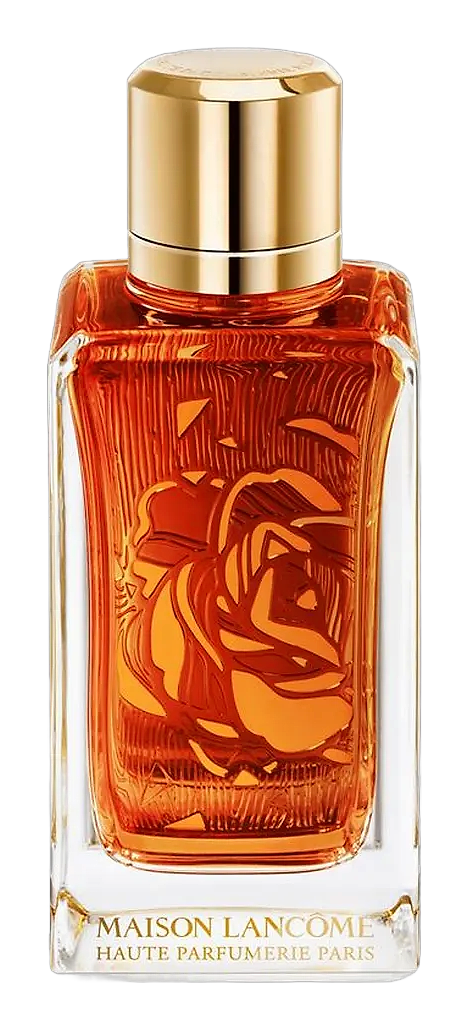
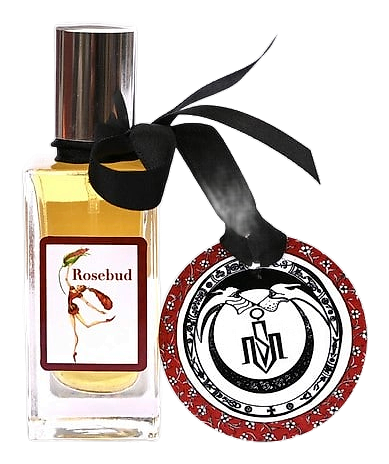
Rosebud is built around the idea of a rose unfolding at close range. Its floral center feels concentrated rather than decorative, carrying a soft richness that gradually warms against the skin. As the fragrance develops, the rose becomes more tactile, moving between delicate freshness and a deeper, honeyed floral presence. The composition is shaped by a measured contrast of brightness and warmth, allowing the central rose accord to remain clear while other facets gather gradually beneath it. The result is less like a bouquet placed on a table and more like rose petals held in the hand, their texture and warmth slowly becoming more apparent.
The interesting part is the contrast between materials that seem to belong to different families. A bright opening keeps the first impression clear and lively, while the floral center develops a darker, honeyed depth. Soft musky notes introduce a powdery hush without obscuring the rose, and resinous warmth gives the composition a gentle inner glow. Smooth woody facets settle underneath, lending structure without taking over the floral character. Sweetness follows at the end, turning the rose into something more tactile and lingering.
The evolution
The first impression is bright and lucid, opening with a clean, sparkling quality that gives the rose room to breathe. Lemon appears at the edge of that brightness, adding a fresh glint without turning the composition overtly citrus-led. As the opening settles, the floral accord becomes plush and softly colored rather than aggressively perfumed. The heart then grows warmer, with a gentle musky softness and smooth woody depth shaping the rose from beneath. In the drydown, a rounded sweetness settles over the base, leaving a floral trace that feels more intimate than the beginning. The result is a fragrance that shifts from clear brightness to soft, skinlike warmth, remaining noticeable without becoming loud.
Cultural impact
Rosebud connects with the pleasure of familiar floral fragrance while giving that familiarity a more nuanced expression. Its rose accord moves between brightness and warmth, and the soft musky, woody, and sweet facets create a character that feels considered rather than ornamental. The result suits moments of reflection as readily as everyday wear, bringing a sense of elegance without spectacle. Its appeal lies in the gradual reveal of the composition, where each stage adds a new texture to the central floral idea.
The House
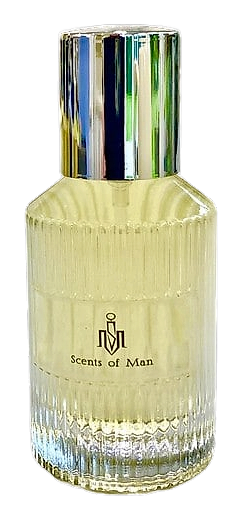
Scents of ManScents of Man curates a rotating catalogue of niche fragrances aimed at contemporary men who appreciate depth and narrative in scent. The platform releases limited‑edition bottles each season, pairing each fragrance with a story that ties the olfactory notes to a place, a memory, or a mood. By focusing on independent perfumers and small‑batch production, Scents of Man offers a fresh alternative to mass‑market colognes, inviting collectors to explore new accords without the clutter of mainstream shelves.
The Creator
Ayala SenderSender's style centers on botanical perfumery, with compositions built around natural ingredients rather than synthetic accords. Her fragrances reportedly favor complexity and artistry, reflecting her training in classical techniques.