
The Story
Why it exists.
The beginning
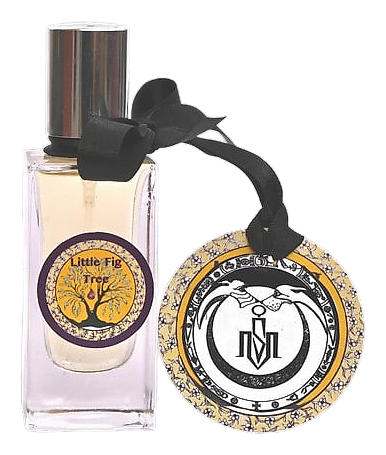
Little Fig Tree was built around a single idea: the whole tree, not just the fruit. Perfumer Andrea Byrne composed it with fig leaf, fig fruit, and the elements that make up the living plant. The name says it plainly. This is about the tree itself, not a fig-inspired abstraction. No grand narrative. Just a tree, and what it smells like to stand under one. The composition captures the green, slightly bitter quality of the leaves alongside the sweet, milky undertone of the ripe fruit, creating a fragrance that feels immediate and grounded. There's a naturalness to the blend that resists abstraction, staying close to the actual sensory experience of proximity to the plant.
Fig presents a particular compositional challenge: there is no natural fig oil. The scent must be assembled from materials that individually recall fig's character, green and milky, fruity and leaf-like, and woven into something coherent. Little Fig Tree meets this by opening with actual fig alongside neroli and citrus, creating a bright, green freshness. The honey and white florals in the heart shift the register into something warmer, sweeter, almost edible. This is where the fragrance earns its name, the transition from green freshness into honeyed warmth mirrors the experience of a fig tree at different times of day.
The evolution
The opening is a burst of green, fig leaf, neroli, mandarin orange, apple blossom all arriving together. Clean and bright. Honey and blackcurrant arrive next, bringing a fruity sweetness that softens the green. The white florals take over: jasmine, hyacinth, champa flower. Tuberose threads through the heart phase, lending a creamy, slightly animalic warmth. The base notes emerge as the heart fades, with tomato leaf, violet leaf, saffron, almond, nutmeg, musk. The fig and honey linger longest on most skin, providing a warm, sweet counterpoint to the earlier green freshness. The transition from bright citrus and green into the deeper, warmer base creates a complete arc that mirrors the passage of time in a garden, from the crisp morning air into the still warmth of afternoon.
Cultural impact
Little Fig Tree arrived with a different take on a familiar note. Fig had long been a staple of niche and indie fragrance, often rendered through lactonic interpretations that prioritize creamy, coconut-like qualities. Little Fig Tree's approach, pairing green fig with neroli, honeyed florals, and an unexpected saffron-almond drydown, offered something distinct. The composition stands apart from both mass-market fig scents and established niche offerings, appealing to those who find the typical fig interpretation predictable. This fragrance suggests there are still variations to explore within a well-worn territory.