The Story
Why it exists.
The beginning
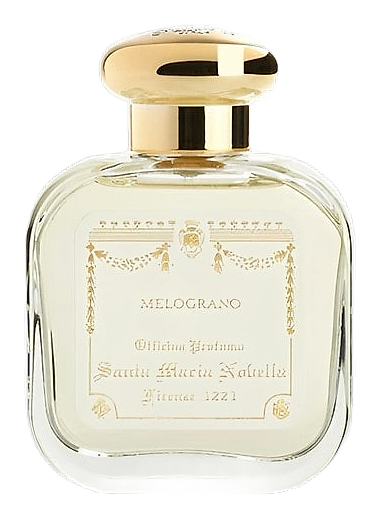
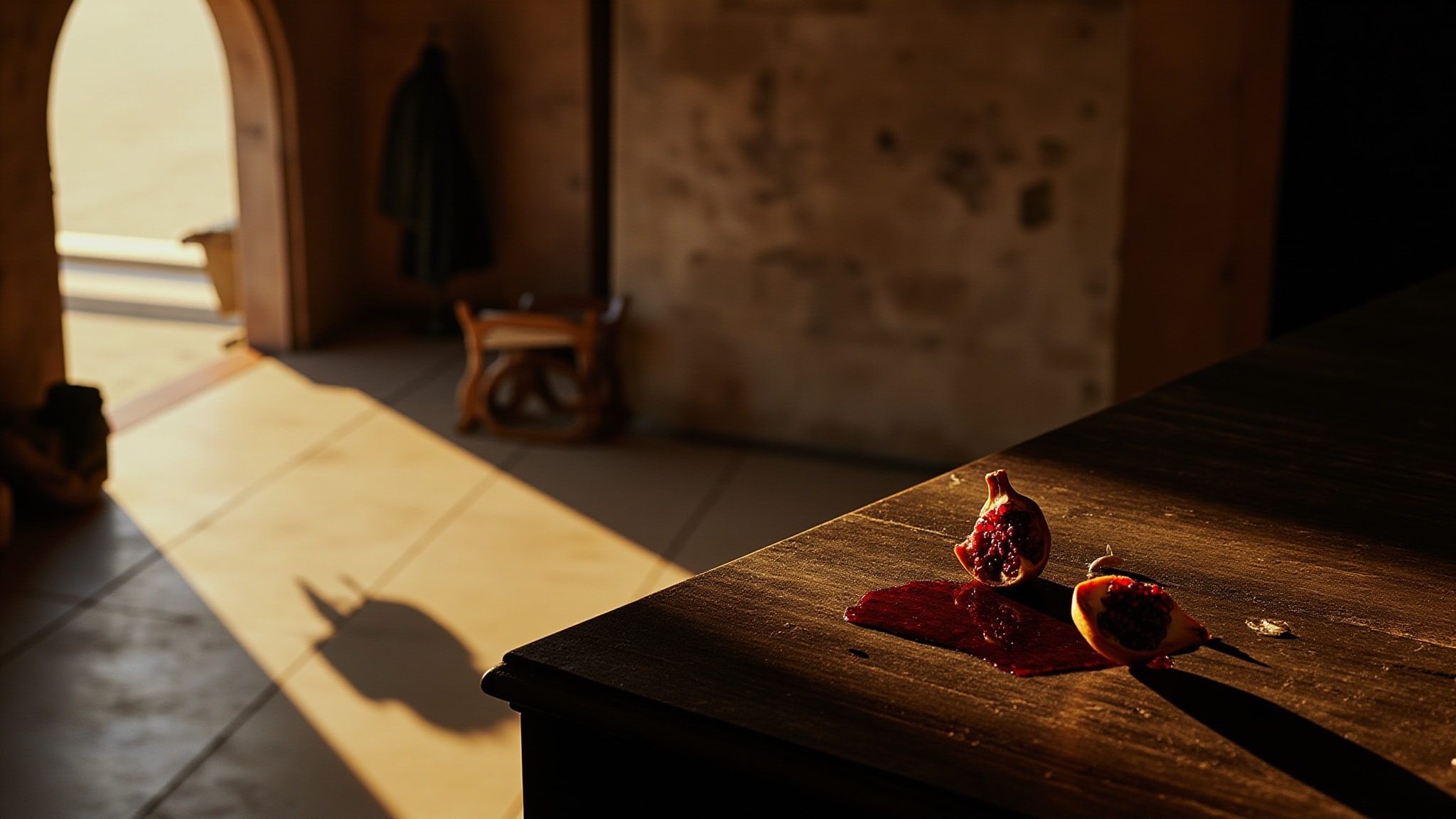
Melograno arrived in 1965, and Santa Maria Novella didn't need reinvention. They had a willingness to let one fruit carry a composition. Pomegranate, or melograno in Italian, was the choice. Not the sweetness of a fig, not the comfort of a rose. The tart, seedy, slightly wine-like fruit that splits open messy and stains everything it touches. The fragrance opens with bergamot and bitter orange, bright and almost cheerful, the kind of citrus lift you'd expect from an Italian apothecary. Then the spices settle in, and the composition reveals its structure underneath. Santa Maria Novella framed it as a chypre and let the oakmoss do the heavy lifting. Most houses reach for familiar fruits.
What makes Melograno structurally interesting is the tension between the fruit accord and the chypre architecture. Most fruity fragrances lean sweet or tropical. This one borrows the mossy skeleton of a classic chypre, think of the green, bitter backbone that defined mid-century perfumery, and stuffs pomegranate into the heart where the rose usually lives. The result reads older than 1965. The ylang-ylang adds a creamy, almost tropical density that prevents the pomegranate from collapsing into something sharp. Oakmoss and patchouli in the base don't support the fruit so much as rough it up, giving the whole composition a dusty, herbal edge that keeps the sweetness in check.
The evolution
The first impression is deceptive. Bergamot and bitter orange arrive bright, almost cheerful, like a spritz of something from a warmer climate. Then the spices land, and the chypre architecture reveals itself underneath. The pomegranate doesn't announce itself with sweetness. It arrives tart, slightly winy, almost fermented, sitting against rose and ylang-ylang that lend it weight and a powdery softness. As the composition wears, the fruit has mellowed into something rounder, almost jammy, but the oakmoss has been quietly organizing the base the whole time. Eventually the florals have mostly receded, and what remains is the chypre skeleton: mossy, earthy, slightly bitter, with the pomegranate now reading as a dark, dried-fruit note rather than anything fresh. The patchouli and labdanum take over and don't let go.
Cultural impact
Melograno sits in an unusual niche: structurally committed in a way most modern fruity florals aren't, and fruit-forward in a way most orthodox chypres aren't. It doesn't fit neatly into either category, and that's part of what makes it interesting. For chypre loyalists, it offers something specific: the mossy skeleton without a predictable template. For fruit-forward fragrance fans, it offers tartness without sweetness. The pomegranate reads as tart and slightly winy at first, almost fermented, sitting against rose and ylang-ylang that lend it weight and a powdery softness.