The Story
Why it exists.
The beginning
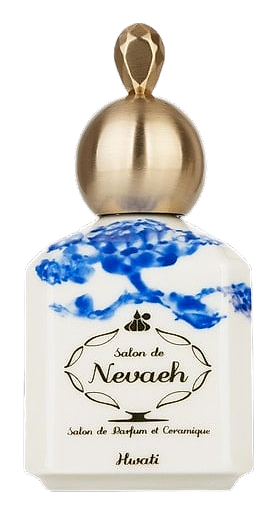
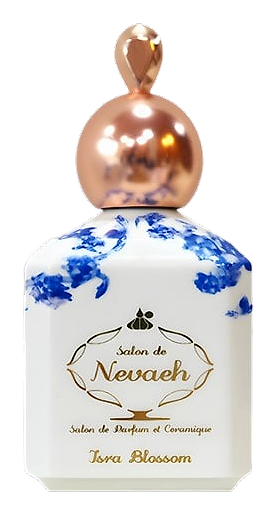
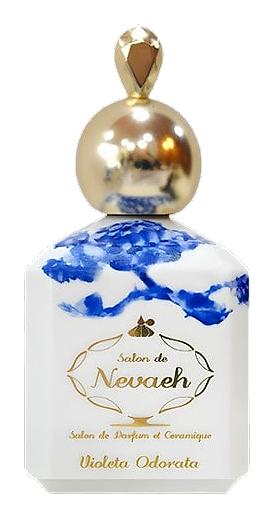
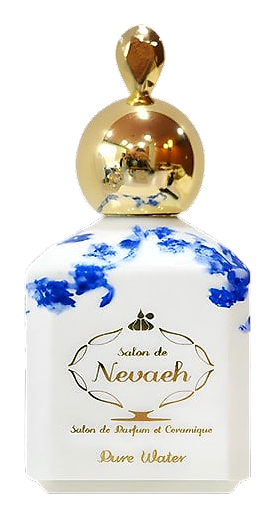
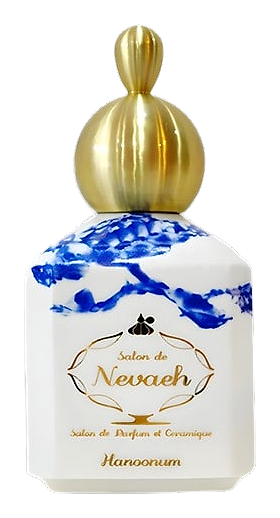
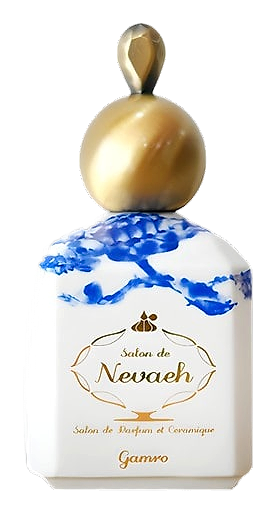
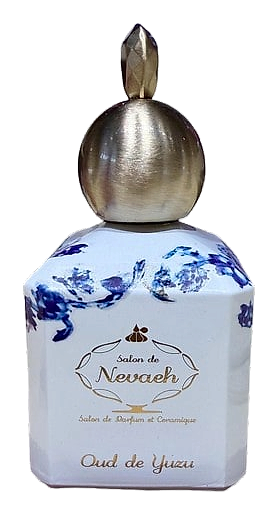
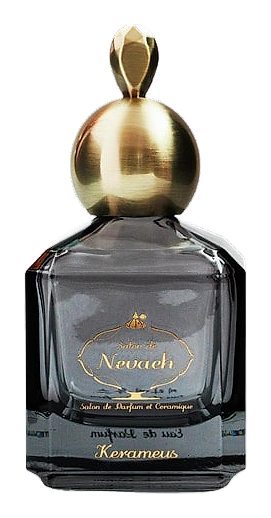
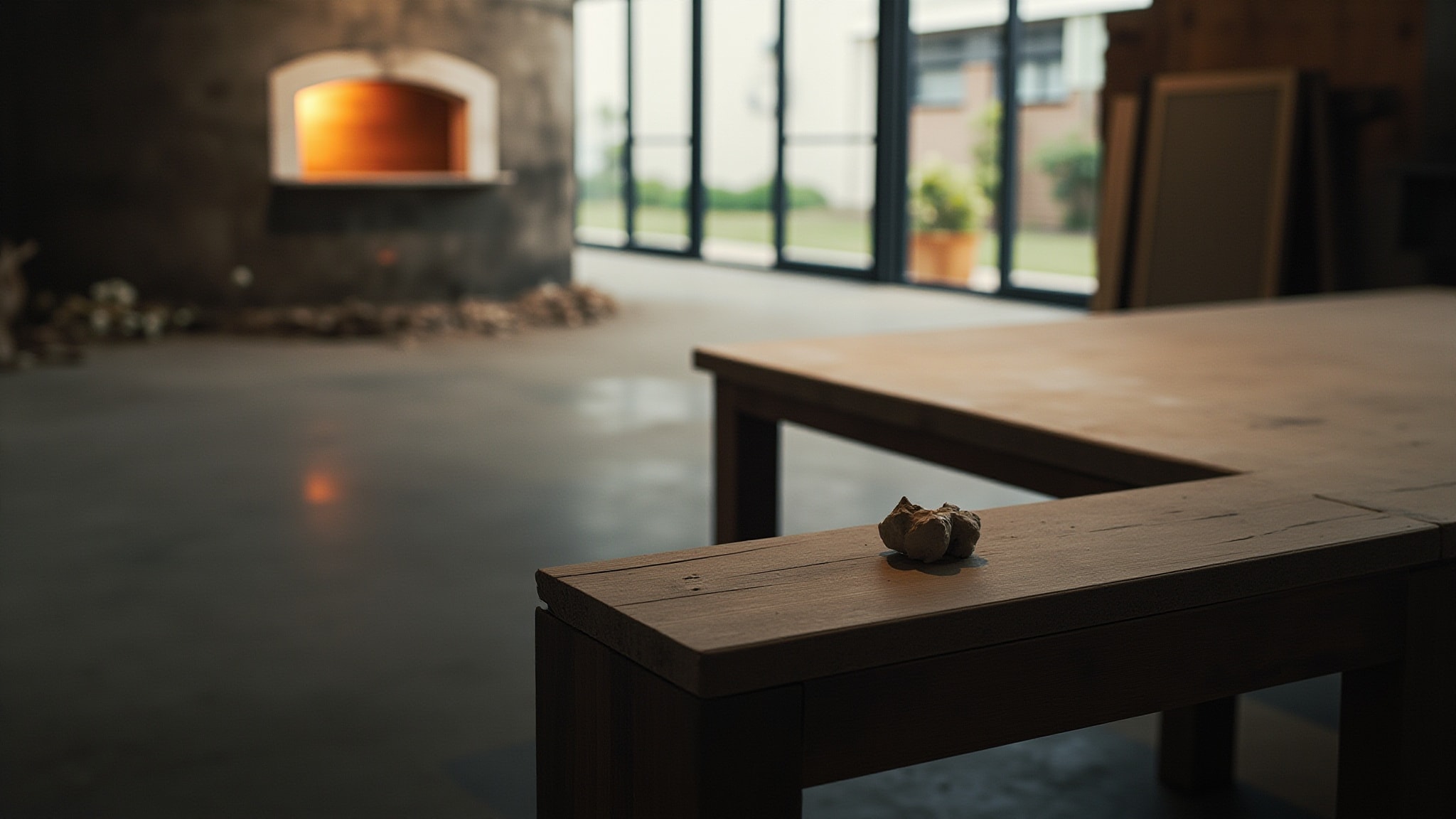
Kerameus was launched in 2025 by Salon de Nevaeh, a South Korean fragrance house with roots in the country since 2017. Its name and concept turn toward pottery, clay, and the transformation of raw material by fire and time. The idea is personal as well as elemental: the fragrance is presented as a tribute to the perfumer's father, a lifelong potter. Nothing about the accord is polished into abstraction. It begins with the feel of wet clay and dust, then lets heat enter through charred wood, resin, leather, and ash. The scent's material focus makes each stage of the composition feel tactile, from damp earth and powdery dust to smoke, dry wood, and soft ash.
The unusual part is the friction between softness and exposure. Narcissus adds a living floral accent, while vetiver pulls the composition into earth and leather deepens its dry, smoky character. Charred wood appears in both the heart and base, acting less like an ingredient than a persistent condition. Dust and clay frame the opening as if they are atmospheric traces, not decorative flourishes. The result is a scent built around change of state: damp surface, dried herb, smoke, then mineral dust and smooth wood.
The evolution
Kerameus begins with a cool, tactile impression of damp clay, dust, and herbaceous air. Narcissus brings a yellow floral flicker, but the heart quickly darkens with charred wood, vetiver, resin, leather, and earth. The floral brightness becomes a trace rather than the main event, replaced by the atmosphere of a workshop after firing. As the fragrance settles, ash and mineral notes sharpen its outline. Guaiac wood, cashmeran, musk, and repeated resin notes make the drydown softer at the edges without losing the smoky material underneath. It moves from dusty and almost tactile to dry, warm, and faintly leathery, with a soft skin-close finish that keeps the composition grounded in its elemental character.
Cultural impact
Kerameus is a concept-driven scent built around materials and their changing states. Damp clay, dust, and herbaceous air establish a tactile opening before narcissus introduces a brief floral flicker. Charred wood, vetiver, resin, leather, earth, ash, and mineral notes then shift the composition toward smoke and dry texture, while guaiac wood, cashmeran, and musk soften the later stages. The result invites attention to texture, transformation, and the sensory character of familiar materials.