
The Story
Why it exists.
The beginning
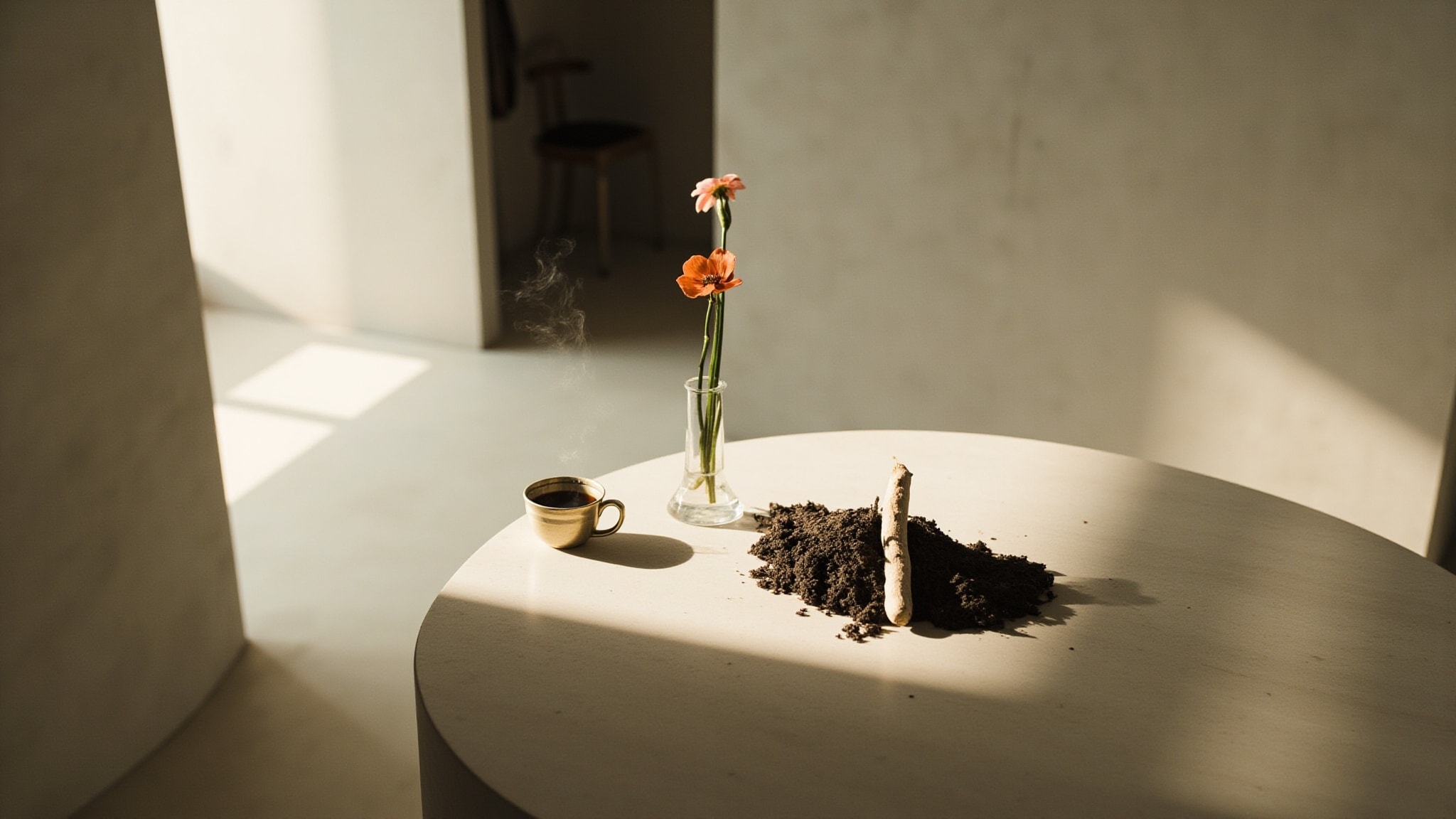
Gamro, meaning "sweet dew," sits at the meeting point between garden and ground, between the blossom you see and the root system that feeds it. The fragrance doesn't lean on a single flower so much as evoke a whole patch of earth, mid-spring, after a light rain. Salon de Nevaeh built the composition around that idea of something gathered rather than picked, something that surfaces quietly in the half-light before a garden fully wakes. The green notes arrive cool and damp, almost grassy in their clarity, while the florals beneath them feel rooted rather than arranged. There's a softness to the neroli and orange blossom that prevents the greener elements from skewing sharp, and the whole thing hums along at a low, vegetal register.
The unusual choice in the architecture of Gamro is what anchors the composition: kumquat tree root and Brazilian rosewood in the base, set against neroli and orange blossom absolute above. This isn't a green-floral built on the usual sharp, almost bitter vegetal notes that cut through the top. Instead, that tension is pulled from beneath, from the soil-deep accords that hold the florals in place.
The evolution
The opening is quick and bright, almost disorienting in how clean it feels for a fragrance that promises earth. Bergamot and neroli arrive like morning light through a window, citrus-edged, slightly sharp, before the first green note lands. Within fifteen minutes, the green grass and orchid arrive together, and the composition starts to lean downward. The florals never shout. They settle in like a temperature change. By the one-hour mark, the roots and rosewood have begun to surface, and the musk underneath pulls everything closer to skin. The drydown is where Gamro commits. Amber and sandalwood warm the base. The kumquat root adds a slightly bitter, woody-creamy dimension that lingers well past the four-hour mark, lending the composition a quiet density that never tips into heaviness.
Cultural impact
The name Gamro anchors the fragrance in a specific Korean cultural frame, a term drawn from folk tradition that describes a quiet, natural phenomenon: the dew said to gather on flowers overnight. That concept, something small and fleeting, noticed only by someone paying close attention, translates directly into the composition itself. Gamro doesn't aim for spectacle. It aims for the kind of attention that notices what surfaces before dawn, what collects quietly while the garden sleeps. The green and earthy accords reflect an attention to natural cycles, to the way blooms emerge from soil rather than appearing fully formed.