
The Story
Why it exists.
The beginning
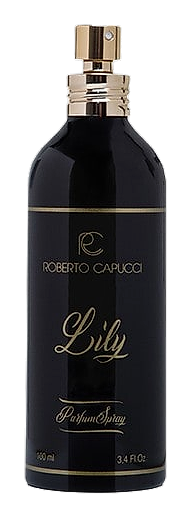
Lily sits inside the fragrance line that Roberto Capucci built alongside his couture work. A designer who built his name through sculptural silhouettes and theatrical presentations, Capucci treated clothing as architecture, and his perfumes carry that same instinct for bold, distinctive composition. Lily is a continuation of that sensibility, a scent that refuses to play it safe in a category crowded with safe choices. The brand describes its namesake as a stubborn woman who faces decisions with conviction, sweet and passionate, unable to restrain her emotions. Intense like flowers, strong like coffee, sweet like vanilla. That is the portrait the fragrance was painted to match, and Lily leans into every word of it.
What makes Lily interesting is the collision at its center. Coffee and rose rarely share a composition. One is dark, roasted, almost industrial. The other is soft, dewy, the floral equivalent of a sigh. Putting them together creates friction, a meeting of two materials that want different temperatures. The vanilla and amber in the base don't choose sides. They warm both notes until the friction softens into something resembling comfort. The white musk underneath keeps everything from tipping into dessert territory. It's a balancing act that works because none of the materials dominates. Each one keeps the others honest.
The evolution
The opening reads bright and slightly bitter. Coffee arrives first, roasted and assertive, layered over a whisper of floral that hasn't decided what kind yet. The rose surfaces warm rather than fresh, the way roses smell in late afternoon rather than morning, and the coffee doesn't vanish. It moves underneath, a roasted undertow beneath the petals. As the composition settles, the vanilla takes the sharp edge off both materials, softening the coffee without smothering it. The amber rounds everything out, lending a resinous warmth that anchors the floral and the gourmand elements together. The white musk creates a clean, skin-like base that keeps the sweetness from cloying, and it gives the later stages of wear a quiet, almost intimate quality. In its later phases, what remains is a soft, warm haze of vanilla and musk with a ghost of coffee still perceptible on fabric.
Cultural impact
Lily sits inside a coffee-floral category that has grown increasingly crowded, and it earns its place by refusing to behave like anything else on the shelf. Where many coffee-leaning fragrances lean gourmand and heavy, Lily pulls back into something more intimate and wearable. One reviewer described it as a less aggressive sibling, the one you reach for when the louder references would feel like too much. It appeals to anyone who wants the coffee-floral conversation but prefers it whispered rather than announced. The composition keeps its distance from pure sweetness.