The Story
Why it exists.
The beginning
Rifat Ozbek is not a perfumer in the traditional sense. He's a fashion designer, and by the mid-1990s his name carried serious weight in both London and international circles. His work has long been read through a Turkish lens, drawing on the visual languages, textiles, and ornamental traditions tied to his heritage. So when he turned to scent, he wasn't licensing an accessory to a clothing line. He was writing a second language for the same cultural conversation, translating the spice routes and floral traditions of his homeland into a bottled form. Ozbek, his debut eau de parfum, was the opening statement: a floral-oriental that reads as East-meets-West without ever resolving the argument.
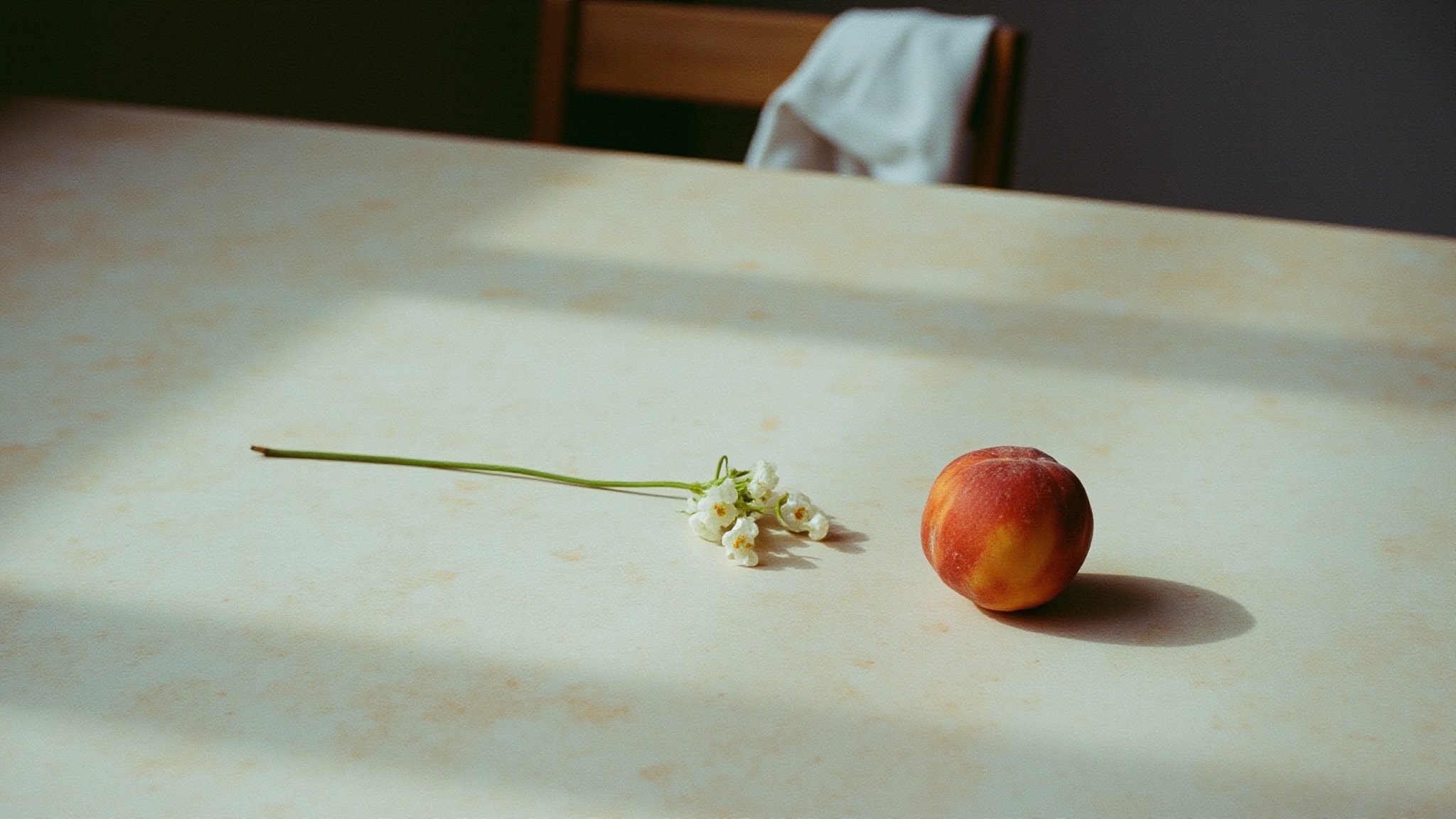
The structure tells the story. Freesia and peach arrive like a cool, slightly overcast morning. Jasmine, hyacinth, and ylang-ylang form a heart dense enough to feel textile-heavy, almost embroidered. White honey and musk anchor the base, sweet but never syrupy, powdery but never candied. It's a late-90s European floral with Turkish undercurrents. The honey behaves less like a sugary syrup and more like a wisp of beeswax, something that sits just above the skin rather than dripping off it.
The evolution
On skin, the arc is generous. Freesia and peach open bright but not sharp, more like fruit through gauze than fruit on a plate. The opening carries a green sweetness that's soft and slightly powdery, almost shy. The first stretch belongs to that gentle entry, a hush before the floral weight arrives. Then jasmine and ylang-ylang rise through the freesia, and the composition thickens. The hyacinth adds a cool, watery floral note that keeps the heart from going too heavy or too sun-warmed. As the hours pass, white honey arrives, and it changes the temperature of everything below it. The musk was already working underneath, but the honey makes it visible, turns a quiet base into something golden and slightly resinous. From there, the drydown settles into honeyed musk on a warm, skin-close base, persistent without ever raising its voice.
Cultural impact
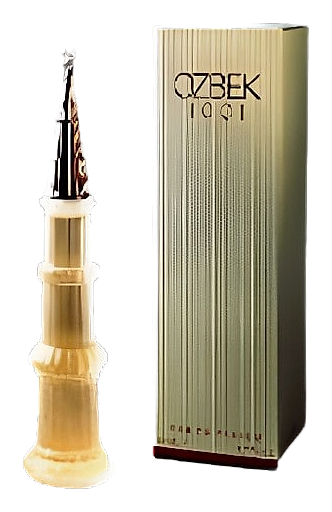
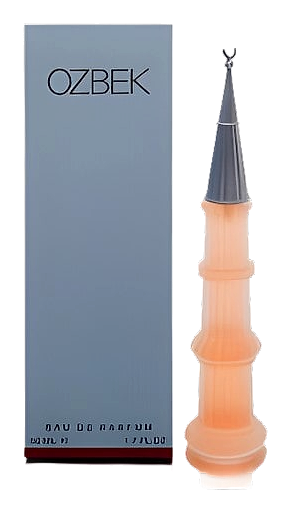
Ozbek stands as a notable example of a designer-led fragrance that takes its sweetness seriously. The honeyed, slightly powdery floral it offers feels generous rather than austere, the kind of scent that settles close to the skin and rewards attention over time. Reviewers have reached for it consistently, often noting how the honey behaves more like beeswax than syrup. The bottle, a frosted architectural flacon with a crescent moon cap, was part of the appeal from the start and remains a collector's draw, recognizable on a vanity even without a label.