
The Story
Why it exists.
The beginning
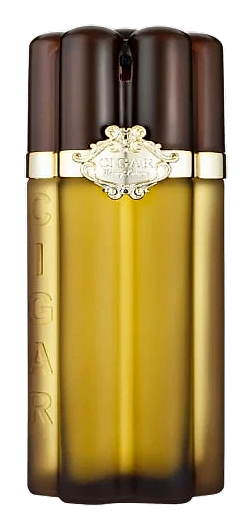
The name says everything and nothing. Rémy Latour released Cigar in 1996, and the title alone could have easily tipped into parody. But the execution isn't what you'd expect from a name that blunt. There's a refinement to the blend that suggests careful restraint, a tobacco note that earns its presence rather than announces it. It's the kind of fragrance that gets noticed not because it's loud, but because it feels deliberate.
Instead of smoke and ash at the opening, there's fruit, plum, pineapple, pear, arriving bright and almost sweet. The citrus cuts it just enough to keep things interesting. It's only in the heart that the aromatic herbs arrive: basil, bay leaf, marigold. Warmth without aggression. The tobacco doesn't fully claim the composition until the base, and when it does, it has company: patchouli, cedar, sandalwood. The sweetness doesn't disappear. It settles underneath. That's the real move here: tobacco as destination, not as statement.
The evolution
The opening is the surprise. Plum and pineapple arrive before the tobacco has any claim, this is a fruity fragrance first, masculine second. Bergamot and lemon keep it from becoming saccharine. Thirty minutes in, the aromatic herbs take over: basil and bay leaf introduce a green, slightly medicinal quality that bridges fruit and tobacco. The florals, geranium, marigold, add warmth without softness. By the second hour, tobacco has arrived and established itself. The fruit is gone. What remains is cedar, patchouli, sandalwood: a woody triad that feels old-school in the best way. Musk keeps the drydown close to the skin. The base notes linger in a way that feels intimate rather than projecting, a quiet presence that rewards wearing rather than broadcasting. Even as the hours pass, the woody accord maintains its character, evolving gently rather than fading abruptly.
Cultural impact
Cigar arrived with a provocative name, but the fragrance itself tells a different story. It offers a tobacco-forward composition that balances boldness with restraint, avoiding the pitfall of becoming a caricature of its namesake. The scent found its audience among those looking for something with presence but without pretense. Over time, it has accumulated a following among fragrance enthusiasts who appreciate its straightforward approach to masculine composition. The juice has proven honest: what you smell is what you get, and what you get is a well-crafted tobacco fragrance that doesn't diminish with familiarity.