
The Story
Why it exists.
The beginning
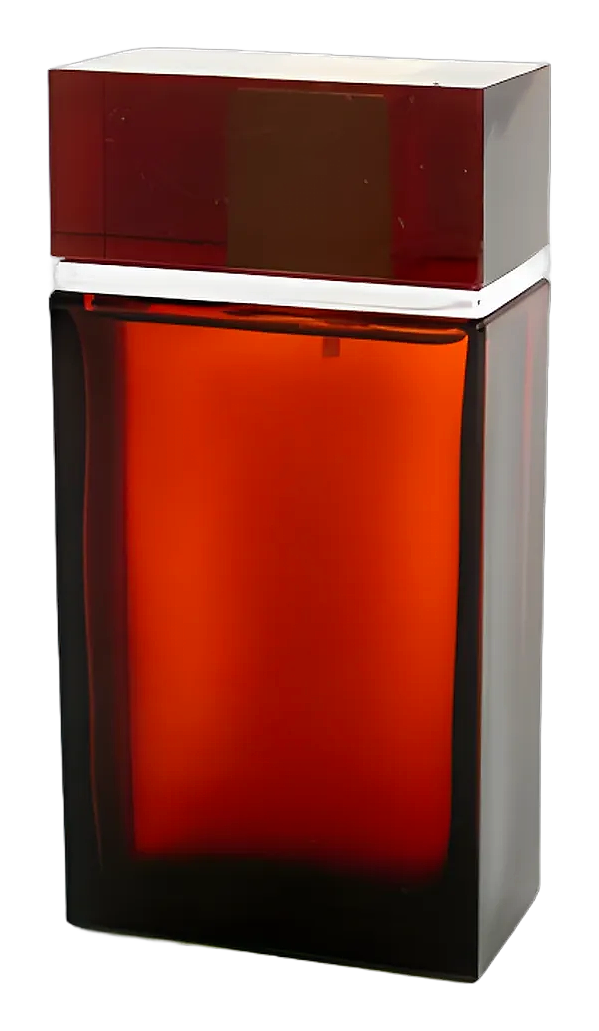
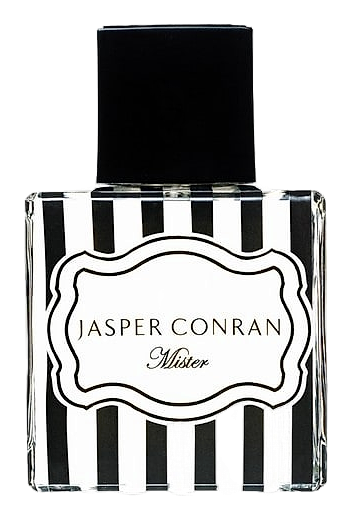
Mister arrived in 2007, three years after Jasper Conran's debut with the gender-divided Him and Her. The brand had already established its position: British tailoring translated into scent. Where Him launched a template for quiet masculine confidence, Mister extended that philosophy into something slightly more layered. The name itself carries intention, Mister is not 'Man' or 'For Him.' It's a form of address, the kind you'd give someone worth knowing. By 2007, Conran's design empire spanned clothing and home, and Mister became the fragrance equivalent of a well-cut blazer: present, considered, never excessive.
What makes the structure interesting is the Davana. It's the outlier in the top, an herb from India that carries a faintly fruity, almost medicinal quality. Most fragrances don't touch it. Here, it bridges the green basil and the warming heart, preventing the opening from going too sharp. Combined with artemisia (the mugwort cousin, slightly bitter, deeply aromatic), the top sets a tone that is herb-first, not citrus-first. In 2007, that was an unconventional choice for a mass-market male release. It prioritized personality over accessibility.
The evolution
The opening announces itself in roughly five minutes: cold green herbs, a slight bitterness, then davana's curious sweetness underneath. Geranium arrives to round the edges, shifting the green toward something almost floral before the heart takes over. Patchouli and tonka bean emerge around the 20-minute mark, together they create a pipe-tobacco impression that lingers. The drydown begins after an hour: musk and tobacco settle close to skin. Four to six hours on most people. The sillage stays moderate throughout, intimate, not projecting. What surprises is the finish: the tobacco doesn't disappear. It fades into the musk and stays there, faint and warm, like the smell of a room someone just left.
Cultural impact
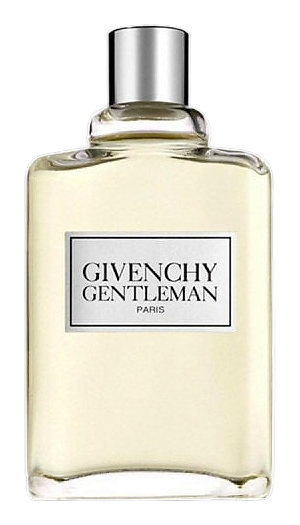
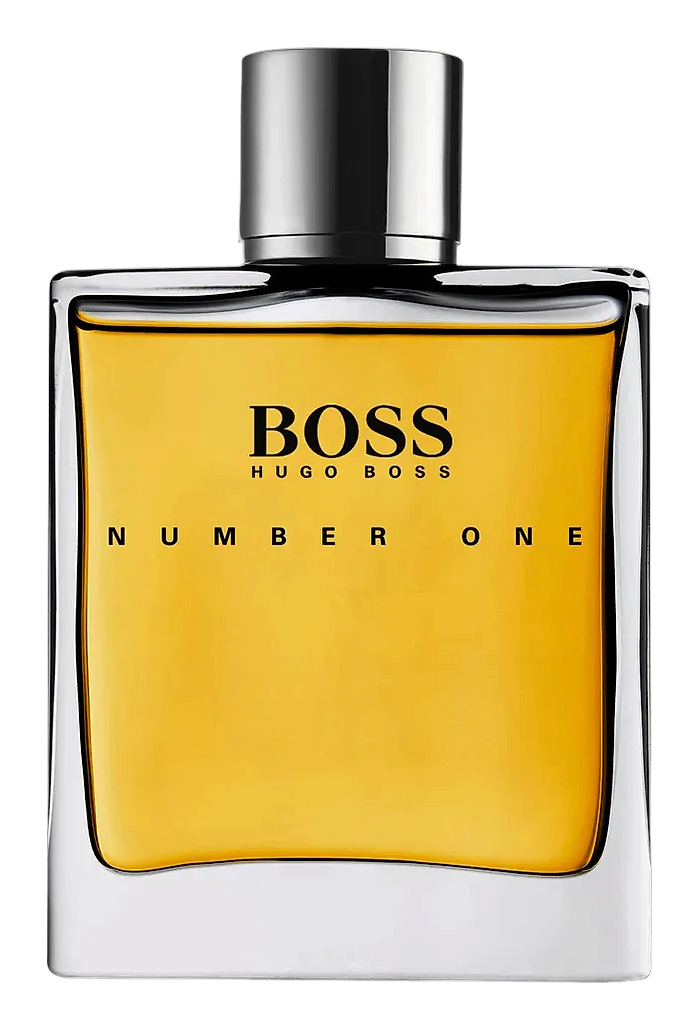
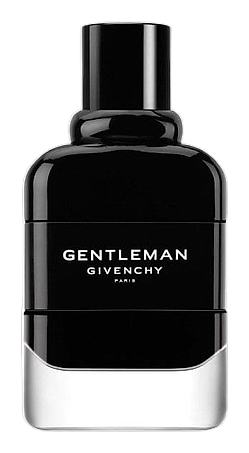
Mister occupies a specific position among 2000s masculine releases: the pre-niche era, when designer fragrances still competed on character rather than just note lists. Wearers who return to it describe it as the scent of someone who walks into a room and doesn't need to announce themselves. Compared to contemporaries like Givenchy Gentleman (1974) and Hugo Boss Boss Number One, it holds its own on restraint, less aggressive, more herb-forward. The fragrance never achieved blockbuster status, which may be exactly why it rewards discovery.